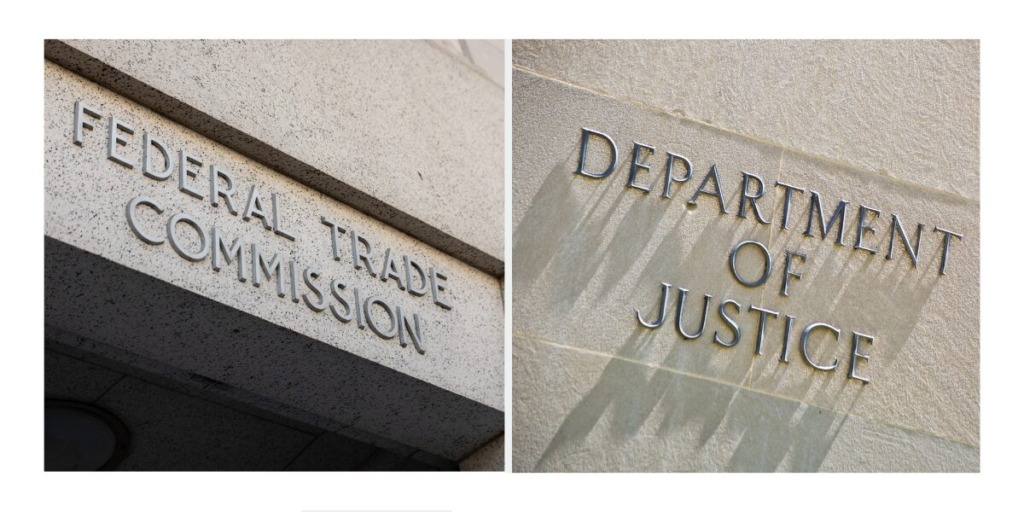
Roundtable Urges FTC, DOJ to Preserve HSR Real Estate Transaction Exemptions
May 29, 2026
The Real Estate Roundtable (RER) submitted comments this week urging the Federal Trade Commission (FTC) and Department of Justice (DOJ) to preserve longstanding real estate exemptions under the Hart-Scott-Rodino Act (HSR), warning that eliminating them would impose substantial costs and delays on lawful real estate transactions without delivering any clear antitrust benefit. (Letter, May 26)
Why It Matters
The comments respond to an FTC and DOJ request for public input on potential changes to the Premerger Notification and Report Form, including whether the agencies should revisit exemptions for certain real estate transactions. (Letter, May 26)
The real estate exemptions were adopted in 1996 because these transactions were considered unlikely to violate antitrust laws.
The exemptions cover several categories of real property acquisitions, including office, residential, retail, hotel, warehouse, agricultural, recreational, and other rental real estate assets.
At the time, the FTC said the exemptions would “remove an unnecessary burden from business” and allow the FTC and DOJ to better focus resources on transactions more likely to cause competitive harm.
The letter emphasized that the same policy and economic rationale remain sound today, given that real estate markets are local, highly fragmented, and shaped by property type, geography, zoning rules, neighborhood characteristics, and other market-specific factors.
Market Impact
Eliminating the exemptions would create new regulatory burdens for transactions that have long been considered unlikely to raise antitrust concerns. (Letter, May 26)
HSR filing fees can reach up to $2.46 million, in addition to legal, financial, and operational costs associated with preparing filings.
Potential new filing requirements could slow transactions, disrupt market liquidity, and create additional uncertainty across real estate markets at a time when capital formation remains critical to investment and development.
The agencies have not provided evidence that circumstances have changed materially since the exemptions were adopted, or that exempted real estate transactions have had a negative effect on competition.
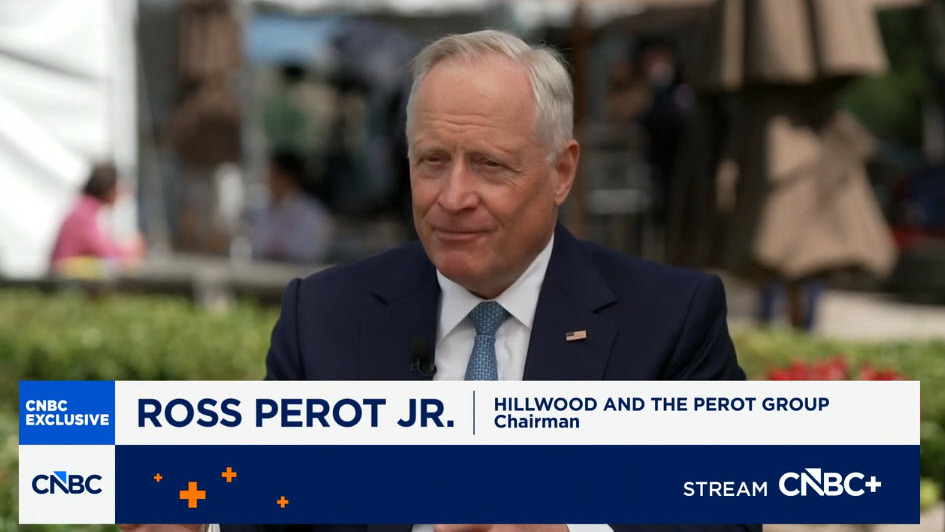
RER board member Ross Perot Jr. (Chairman, The Perot Companies and Hillwood), discussed the real estate market and how developers are keeping up with demand this week on CNBC’s The Exchange. He emphasized the need for pro-growth tax and regulatory policies to support investment, job creation, AI infrastructure, and responsible development in communities across the country.(CNBC, May 29)
Housing Supply
The letter warned that removing the exemptions would not be a targeted way to address concerns about single-family housing acquisitions by large institutional investors. (Letter, May 26)
The vast majority of transactions covered by the exemptions do not involve single-family housing, and many single-family housing transactions would not meet the $133.9 million HSR filing threshold even if the exemptions were removed.
Large institutional investors collectively own less than 1% of single-family homes nationally and make less than 3% of annual home purchases in the U.S. (Roundtable Weekly, Jan. 9)
The costs and delays of HSR reporting would fall disproportionately on smaller buyers such as homebuilders and residential developers acquiring land for new housing projects, potentially increasing development costs and slowing efforts to address the nation’s housing shortage.
Preserving the exemptions would help avoid unnecessary regulatory burdens, support market liquidity, and protect the capital needed to expand housing supply and strengthen the broader economy.


 Menu
Close
Menu
Close
 About Us