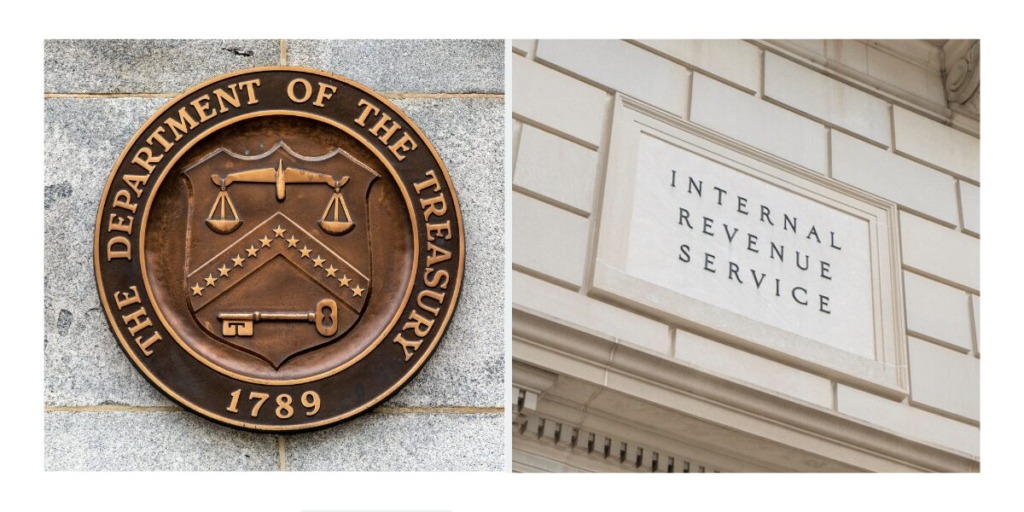
Treasury Extends Tax Relief to Foreign Governmental Investors in U.S. Real Estate
June 5, 2026
The U.S. Department of the Treasury and Internal Revenue Service (IRS) took a positive step last Friday in response to The Real Estate Roundtable (RER) and other stakeholder concerns, partially withdrawing and modifying proposed regulations on the taxation of sovereign wealth funds and other foreign governmental investors. (Treasury Press Release, May 29)
Why It Matters
Foreign investment, including investment by sovereign wealth funds, foreign pension funds, and other government entities, is a critical source of financing for capital-intensive U.S. real estate projects.
Section 892 of the tax code generally exempts from U.S. tax certain dividends, interest, and gains earned by foreign governments, unless the income is treated as commercial activity income or income from a controlled commercial entity. Foreign investors rely heavily on Section 892 when planning and structuring U.S. real estate investments.
In December, Treasury issued proposed regulations addressing two key questions under Section 892: (1) when a foreign government has effective control of an entity engaged in commercial activities, and (2) when an acquisition of debt is considered commercial activity. (Tax Notes, June 1)
The new regulations published on June 1 would ensure that existing foreign government investments, as well as investments acquired during a transition period, are not subject to the more stringent standards in the 2025 proposed rules. (Skadden, May 29)
As Treasury and the IRS continue to evaluate the underlying substantive issues, this most recent action ensures that the new rules will not retroactively increase the tax burden on existing real estate investments or have a chilling effect on foreign real estate investments currently under consideration.
RER Advocacy
In February, RER submitted comments urgingTreasury to avoid imposing a retroactive new tax on existing investments and recommended clear grandfathering and transition rules as part of any final Section 892 regulations. The new Treasury proposal is a positive step that directly addresses those concerns. (Letter | Roundtable Weekly, Feb. 13| Feb. 27)
RER also provided detailed comments on the underlying section 892 issues, urging Treasury to clarify that customary minority investor protections do not create effective control, confirming withholding agents may rely on foreign government self-certifications, and establishing safe harbors for certain debt-related situations. (Roundtable Weekly, Feb. 27)
In March, TPAC Chair Joshua Parker (Founder, Chairman and CEO, Ancora) reinforced RER’s concerns in a BloombergTax op-ed urging Treasury to modernize Section 892 rules without discouraging sovereign investment in U.S. real estate and other long-term assets. (Roundtable Weekly, March 13)
What’s Next
Treasury Secretary Scott Bessent said the new guidance provides certainty for current investments and transition relief for sovereign investors, while Treasury continues to evaluate feedback to “uphold established market practices” and maintain a stable environment for sovereign wealth fund investment. (Treasury Press Release, May 29)
Treasury has not yet modified the substantive provisions related to effective control, commercial activity, and acquisitions of debt.
RER will continue working with Treasury and IRS to ensure final Section 892 rules preserve foreign government capital flows into U.S. real estate while maintaining the statute’s distinction between tax-exempt investment activity and taxable commercial activity.
Section 892 regulations and other foreign investment tax policy issues will be discussed next week during RER’s Tax Policy Advisory Committee meeting on June 10.


 Menu
Close
Menu
Close
 About Us