Energy Policy Update: Permitting Reform, Data Center Growth and Tax Proposals
October 23, 2026
A bipartisan group of former senior administration officials is urging Congress to advance permitting reform legislation, citing growing energy demand, infrastructure delays, and threats to U.S. economic competitiveness. The push comes as new research highlights the economic impact of data center development and Senate Democrats introduce proposals to reshape federal energy and data center tax incentives. (The Hill | Axios, Oct. 21)
Permitting Reform
Nineteen former economic and national security officials from five presidential administrations urged congressional leaders to pass bipartisan permitting reform legislation, warning that lengthy approval processes are hindering infrastructure development, economic growth, and national security. (The Hill, Oct. 21)
Signatories included former Treasury Secretaries Janet Yellen, Steven Mnuchin, Timothy Geithner, Henry Paulson Jr. and Robert Rubin, along with former Secretary of State Mike Pompeo and seven former chairs of the Council of Economic Advisers.
The officials endorsed the bipartisan American Affordability and Jobs Act, introduced Sept. 30 by Sens. Shelley Moore Capito (R-WV), Mike Lee (R-UT), Martin Heinrich (D-NM) and Sheldon Whitehouse (D-RI), which would reform federal environmental review and permitting processes. (Roundtable Weekly, Oct. 2)
The officials warned that permitting delays are particularly concerning as artificial intelligence and data center development drive electricity demand. Faster infrastructure approvals could expand electricity supply, reduce reliance on costly on-site generation and help lower consumer energy costs.
RER Advocacy
The Real Estate Roundtable(RER) has consistently supported bipartisan permitting reform to strengthen grid reliability, lower energy costs, and accelerate infrastructure investment.
In a December 2025 letter to congressional leadership, RER urged passage of the bipartisan SPEED Act (H.R. 4776), emphasizing that duplicative federal reviews delay the delivery of affordable, reliable electricity to homes and commercial buildings. (RER Letter, Dec. 8 | Roundtable Weekly, Dec. 12)
Data Center Economic Impact
A new U.S. Chamber of Commerce study found that data centers generate substantial economic activity, employment, and local tax revenue, underscoring their role in supporting communities and infrastructure investment. (U.S. Chamber of Commerce, Oct. 15)
By the Numbers: According to the Chamber's analysis, economic impacts generated by a typical 50-megawatt data center include:
5,200 jobs annually supported statewide during a two-year construction phase, generating approximately $680 million in economic activity.
$114 million in local tax revenue projected over five years in Prince William County, Virginia, with similar benefits estimated for communities in Texas, Georgia, and Ohio.
The findings come as lawmakers debate how to accommodate growing data center electricity demand while protecting consumers from higher infrastructure costs.
RER has also urged the North American Electric Reliability Corporation (NERC) to develop clear, workable grid reliability standards that reflect the distinct responsibilities of data center owners, operators, and tenants. (Roundtable Weekly, Sept. 18)
Meanwhile, congressional Democrats plan to ramp up oversight of the Trump Administration’s efforts to avoid federal environmental standards for data centers if they take control of the House and/or Senate after the midterms. (PoliticoPro, Oct. 22)
Data Center Tax Proposals
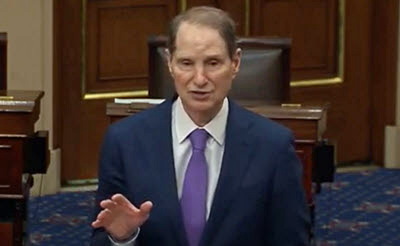
Senate Finance Committee Ranking Member Ron Wyden (D-OR) released draft legislation Friday that would impose an excise tax on data center operators and eliminate several federal tax incentives for data center investment, including bonus depreciation, Opportunity Zone benefits and research and development tax credits. (Press Release | Senate Finance Committee Summary | Draft Legislation, Oct. 23)
The proposal builds on Wyden's August white paper, which also called for restrictions on certain data center investments through real estate investment trusts (REITs). (Roundtable Weekly, Aug. 7)
The proposed changes would create tax penalties specifically targeting data centers by excluding them from longstanding incentives available to other capital investments. (Roundtable Weekly, Aug. 7)
Clean Energy Tax Incentives
Sen. Wyden (D-OR) alsooutlined plans to restore wind and solar tax credits and expand the Inflation Reduction Act's Direct Pay Program if Democrats regain control of the Senate. (Politico, Oct. 22)
A new Senate Finance Committee Democratic staff reportfound that nearly $2.5 billion in direct payments went to tax-exempt entities during the program's first two years, supporting renewable energy and other clean energy investments. (Sen. Wyden Press Release, Oct. 22)
The November elections will shape prospects for permitting reform, data center regulation and federal energy tax policy, with several proposals potentially returning to the agenda during the lame-duck session or the next Congress.


 Menu
Close
 About Us