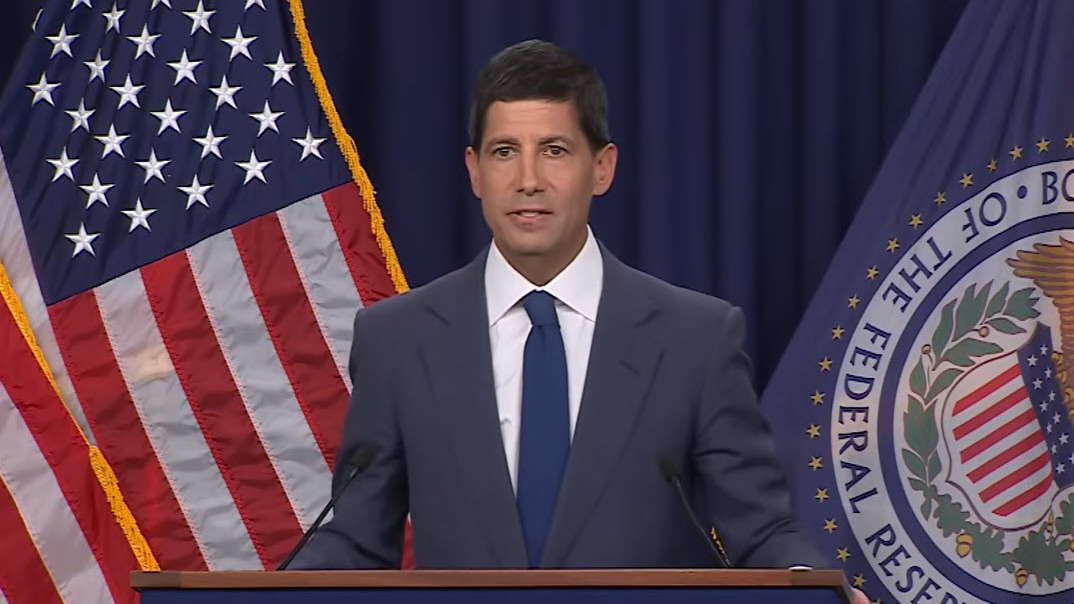
The Federal Reserve held its benchmark interest rate steady at 3.50-3.75 percent for a fifth consecutive meeting on Wednesday, with three officials dissenting in favor of a quarter-point hike. Chair Kevin Warsh said inflation remains above the Fed’s 2 percent target, partly reflecting energy-related supply shocks, and reaffirmed the Committee’s commitment to restoring price stability.
Fed’s Decision
The Federal Open Market Committee (FOMC) voted 9-3 to hold rates steady. Cleveland Fed President Beth Hammack, Minneapolis Fed President Neel Kashkari, and Dallas Fed President Lorie Logan preferred a 25-basis-point increase. It was the first time since 2016 that three officials dissented in favor of the same policy action. (Federal Reserve, July 29; CNN, July 29)
The policy statement was nearly unchanged from June, citing solid economic growth, strong productivity and investment, stable labor conditions and inflation that remains above the Fed’s 2 percent goal. (Federal Reserve, July 29; Opening Statement, July 29)
Chair Warsh said Treasury yields had risen materially since June, with some of the increases ranking among the largest of the past two decades. (Opening Statement, July 29; Watch Press Conference)
He described the Committee’s stance as “watchful thinking, not watchful waiting.” He said higher interest rates could be part of the solution if inflation remains elevated, while stopping short of signaling a specific September move. (Federal Reserve Calendar; Wall Street Journal Transcript, July 29)
Housing and CRE
The decision provides near-term stability in short-term rates, but many CRE financing costs remain tied to longer-term yields. The 10-year Treasury yield was about 4.66 percent Wednesday afternoon, while the average 30-year fixed mortgage rate was about 6.6 percent for the week ending July 23. (Wall Street Journal, July 29; USA Today, July 29)
Chair Warsh said AI-related investment is growing nearly 20 percent, a trend that could support continued demand for data centers and related infrastructure development.(Opening Statement, July 29)
Major banks are selectively returning to CRE lending. Bank of America, U.S. Bancorp, PNC and Truist reported year-over-year CRE loan growth ranging from more than 8 percent to about 25 percent, concentrated in multifamily housing, industrial, and data-center projects. While banks see attractive growth opportunities, office exposure continues to be approached cautiously. (Wall Street Journal, July 23)
The Fed’s next meeting on Sept. 15-16 will provide updated economic projections and a clearer indication of whether the growing internal divide is moving the Committee closer to a rate increase.
Policy Outlook
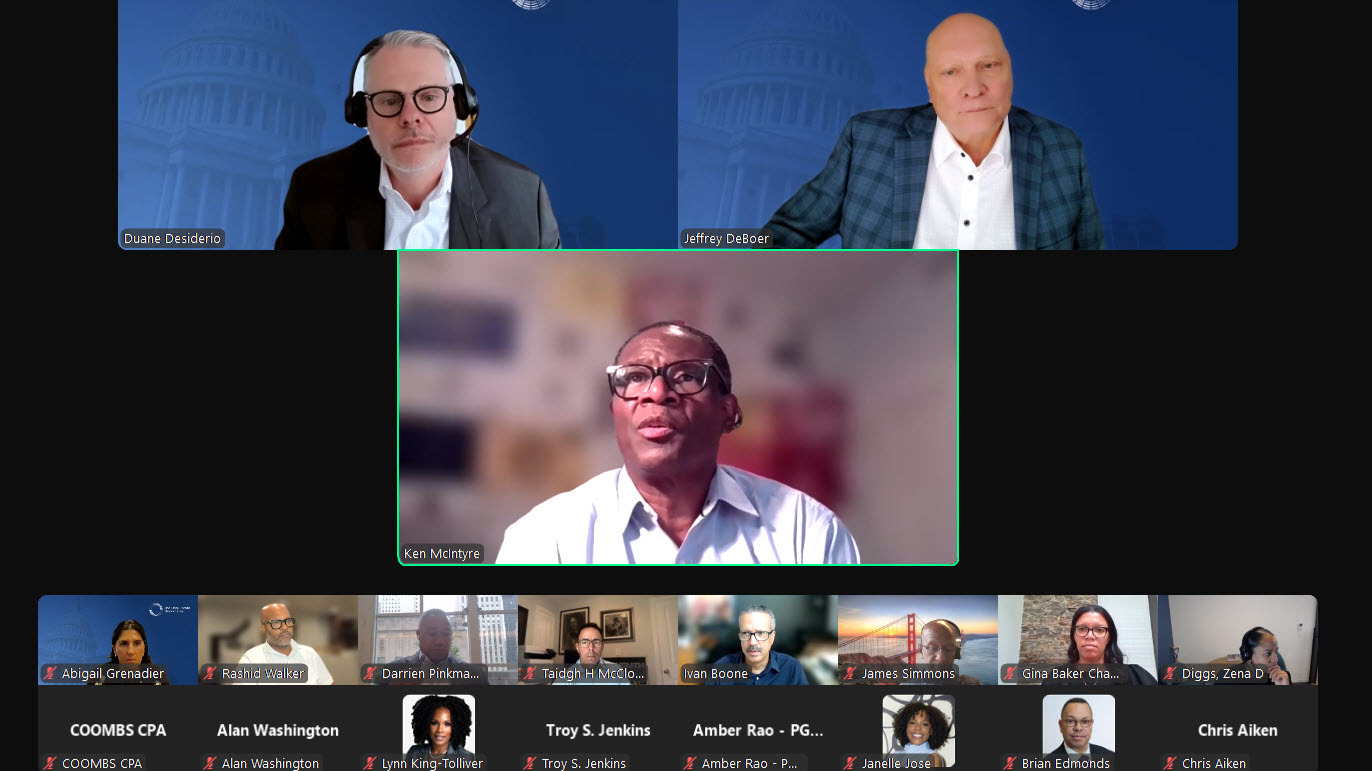
RER President and CEO Jeffrey DeBoer and SVP and Counsel Duane Desiderio joined Real Estate Executive Council (REEC) CEO Ken McIntyre for REEC’s monthly virtual town hall with members on the policy landscape in Washington, what CRE can expect in the coming months and RER’s advocacy priorities.
The discussion also covered housing affordability, electricity demand and emerging data center legislation, as well as RER’s efforts during negotiations over the 21st Century ROAD to Housing Act to remove the unconstitutional forced-sale provision that could have set a damaging precedent for other property types.


 Menu
Close
Menu
Close
 About Us