Fed Holds Rates Steady as Officials Split on Path Ahead
May 1, 2026
The Federal Reserve held its benchmark interest rate steady this week at a range of 3.50% to 3.75% for the third consecutive meeting, citing solid economic activity, low job gains, elevated inflation, and heightened uncertainty tied to developments in the Middle East. (FOMC Press Release, April 29)
The Fed’s Decision
The Federal Open Market Committee’s 8-4 vote exposed growing divisions within the central bank, with four dissents—the most at a Fed policy meeting since 1992. (Axios, April 29)
Governor Stephen Miran favored a 25-basis-point rate cut, while Cleveland Fed President Beth Hammack, Minneapolis Fed President Neel Kashkari, and Dallas Fed President Lorie Logan supported holding rates steady but objected to language they viewed as suggesting an easing bias.
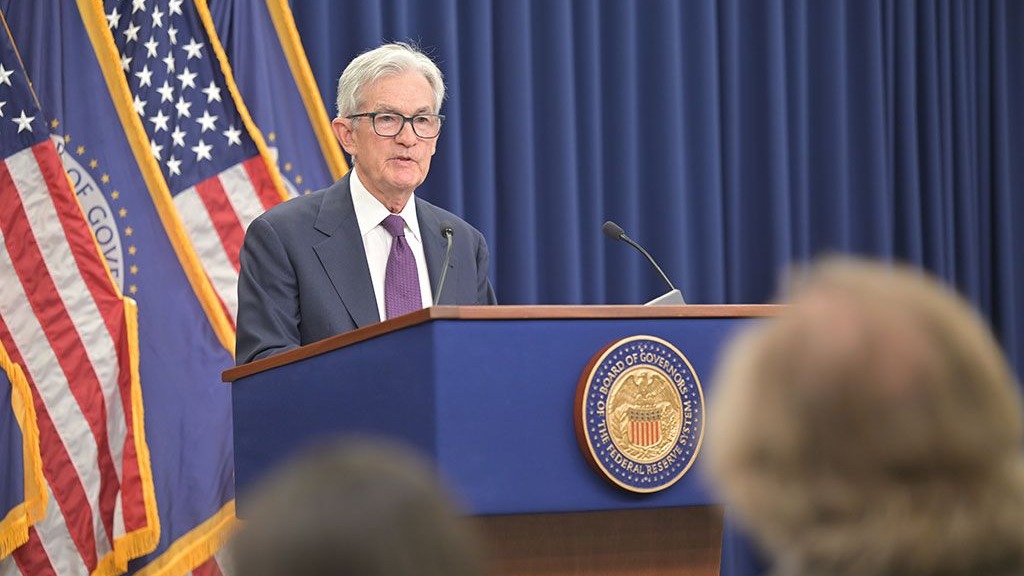
Fed Chair Jerome Powell said there is “no rush” to signal the Fed’s next move as officials assess how the Iran war and higher energy prices affect inflation and growth. Developments over the next “30, 60 days,” he told reporters, could change the outlook before the Fed’s next meeting. (FOMC Press Release, April 29)
The split reflects a central tension facing the Fed: whether inflation risks warrant a more cautious posture—or whether slowing economic momentum strengthens the case for lower rates later this year. (Axios, April 30)
Why It Matters
For commercial real estate, the Fed’s cautious stance and internal divide add uncertainty around the timing of future rate cuts, keeping borrowing costs elevated and weighing on refinancing, transaction activity, asset valuations, and capital deployment.
What to Watch
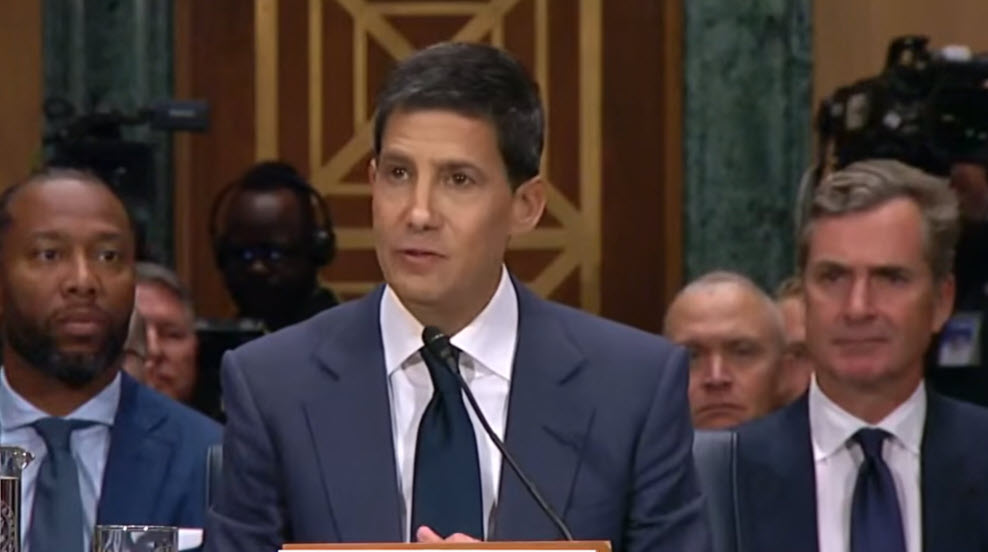
The Senate Banking Committee advanced Kevin Warsh’s nomination to chair the Federal Reserve Board on Wednesday, putting him on track for possible Senate confirmation before the Fed’s next policy meeting in June. (PoliticoPro, April 29)
Chair Powell said that after his term as chair ends on May 15, he plans to continue serving as a Fed governor “for a period of time to be determined.” His Board term runs through 2028. (Barrons, April 30)
RER will continue to track monetary policy developments and engage policymakers on the need for stable capital markets, access to credit, and policy solutions that support long-term economic growth and real estate investment.


 Menu
Close
Menu
Close
 About Us