Roundtable Commends Treasury for Proposed Repeal of FIRPTA “Look-Through” Rule, Urges Quick Adoption of Final Regulations
Regulators Signal Capital Relief as House Hearing Sharpens Focus on Bank Requirements
Business and Energy Leaders Press for Action on Permitting Reform
Growing Bipartisan Effort in Congress Targets Barriers to Housing Supply and Affordability
Roundtable Weekly
December 5, 2025
Roundtable Commends Treasury for Proposed Repeal of FIRPTA “Look-Through” Rule, Urges Quick Adoption of Final Regulations

The Real Estate Roundtable (RER) submitted a comment letter this week urging the Treasury Department and IRS to finalize proposed regulations (REG-109742-25) that would repeal the Foreign Investment in Real Property Tax Act (FIRPTA) “look-through” rule for domestically controlled real estate investment trusts (REITs). (Letter, Dec. 5)

RER Advocacy

  • In October, Treasury and IRS issued a Notice of Proposed Rulemaking to repeal the FIRPTA “look-through” rule, a major policy shift advocated by RER, which has opposed the rule since it was first proposed in 2022. (Roundtable Weekly, Oct. 24)
  • In 2024, in an act of broad regulatory overreach, Treasury finalized a new look-through rule to determine whether an entity qualifies as domestically controlled for FIRPTA purposes. The practical effect was to subject a significant share of previously tax-exempt foreign investment in U.S. real estate to U.S. capital gains tax. The rule was finalized with only modest transition relief.
  • In March, RER submitted a letter to the new Administration outlining concerns with the regulation and urging its withdrawal on the grounds that the look-through rule reversed decades of well-settled tax law, severely misconstrued the statute, and contradicted Congressional intent. (Roundtable Weekly, March 21)
  • Treasury’s proposed rule would restore prior law by treating domestic C corporations as non-look-through entities, removing a regulatory barrier that has discouraged foreign investment in U.S. real estate and infrastructure.
  • This week’s letter highlighted the importance of foreign capital to U.S. construction, development, and housing production. In recent years, foreign investors have committed more than $40 billion to U.S. multifamily housing, financing new development, supporting construction jobs, and helping expand housing supply nationwide. (Letter, Dec. 5)

House Ways & Means Hearing – International Tax
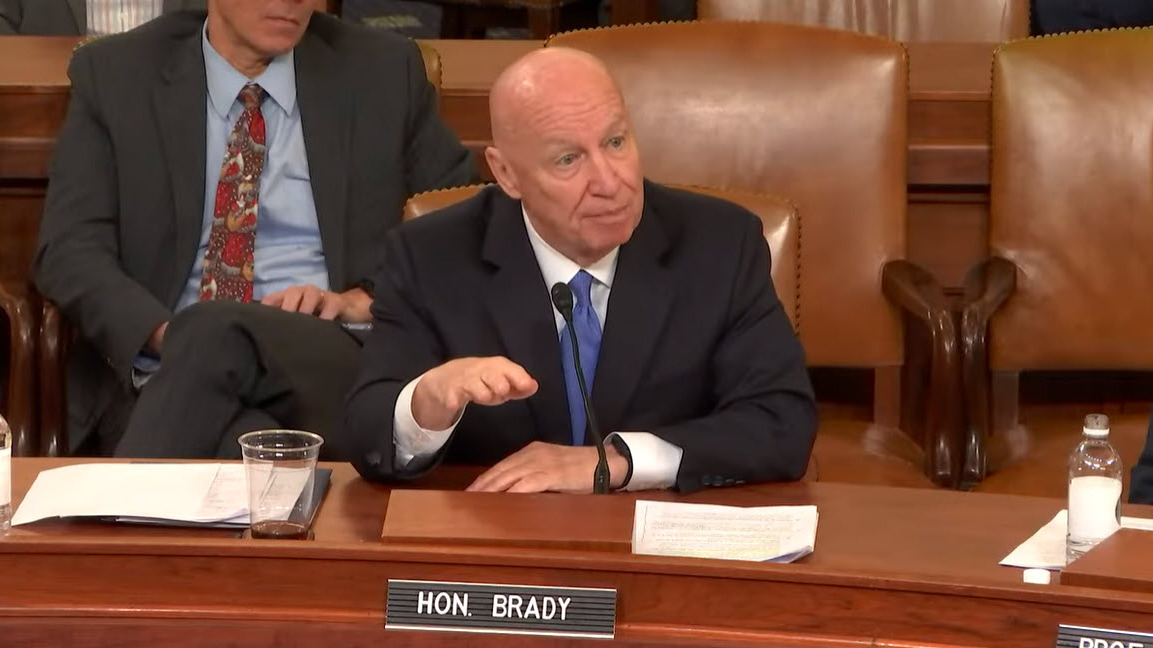
  • The House Ways and Means Subcommittee on Tax held a hearing on Wednesday, “Promoting Global Competitiveness for American Workers and Businesses,” focused on how international tax policy affects U.S. competitiveness, investment, job creation, and economic growth. (Watch Hearing)
  • Former Ways and Means Chairman Kevin Brady testified that post-OB3 Act Treasury guidance can provide critical certainty and stability, adding that Treasury appears eager, as in 2017, to implement Congress’s intent in writing the law. (Brady Testimony)
  • Members also discussed the Organization of Economic Co-Operation and Development (OECD) global minimum tax framework and the unresolved “side-by-side” agreement intended to shield U.S. companies from Pillar Two taxes.
  • House Ways and Means Chairman Jason Smith (R-MO) renewed his warning that Congress is prepared to reconsider retaliatory measures, including Section 899, if other nations fail to honor commitments to exempt the U.S. from the OECD global minimum tax framework.
  • Chairman Smith (R-MO) said, “The time for action is now for those G7 countries. We expect to see the technical work that has been done in these negotiations move forward this week.” (PoliticoPro, Dec. 4)

RER and other industry groups have warned that reviving Section 899 could negatively impact U.S. commercial real estate by deterring foreign investment, weakening capital formation, increasing borrowing costs, and dampening property values.
Regulators Signal Capital Relief as House Hearing Sharpens Focus on Bank Requirements

The House Financial Services Committee held an oversight hearing this week on prudential regulators, as federal agencies continue to reassess large bank capital standards. Ahead of the hearing, The Real Estate Roundtable (RER) and a coalition of business organizations urged regulators to modernize capital requirements to support lending, investment, and U.S. competitiveness.

House Financial Services Committee Hearing

  • Ahead of Tuesday’s hearing, Sen. Jerry Moran (R-KS) led a letter urging regulators to design the Basel III Endgame and GSIB Surcharge proposals to consider policies that would limit the adverse effects of disincentivizing banks from offering hedging products to industries sensitive to price volatility in commodity markets. (PoliticoPro, Dec. 2)
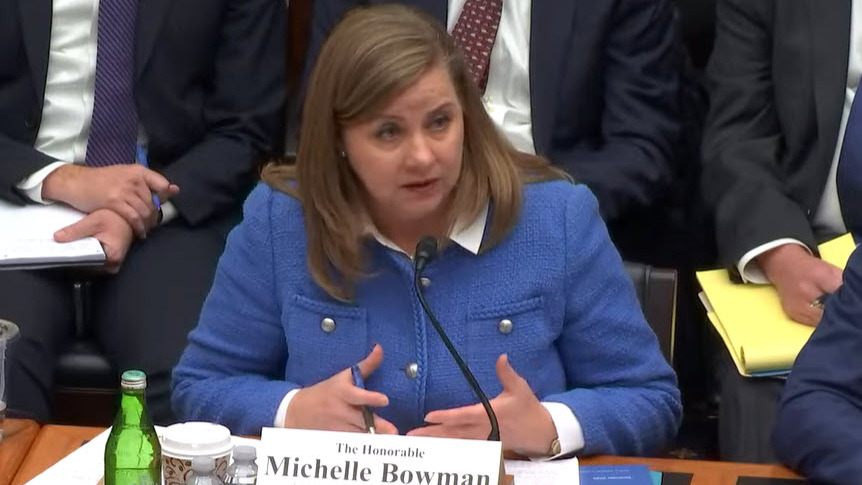
  • Federal Reserve Vice Chair for Supervision Michelle Bowman testified that regulators are not seeking to keep the “overall level of capital in the banking system the same,” leaving open the possibility that requirements may be reduced. (PoliticoPro, Dec. 2)
  • Trump-appointed regulators are negotiating a revised proposal to implement international Basel standards agreed to in 2017. The Biden-era draft would have significantly raised capital requirements and faced strong industry opposition. Earlier comments from Fed and FDIC officials suggested a “capital neutral” approach—but Bowman’s testimony indicated the final outcome could allow for lower aggregate requirements. (PoliticoPro, Dec. 2)
  • During the hearing, Rep. Andy Barr (R-KY) pressed regulators on whether they intend to issue a revised Basel III proposal that “predetermines a capital-neutral outcome even if some risks continue to be over-capitalized.” (PoliticoPro, Dec. 2)

Roundtable Advocacy

  • Ahead of the hearing, RER and a coalition of leading business trade organizations urged prudential regulators to examine and modernize large bank capital requirements so they continue supporting consumers, businesses, and the broader U.S. economy. (Letter, Dec. 2)
  • The coalition letter underscored the negative economic impacts of inappropriately calibrated capital rules, highlighted risks to American competitiveness, and commended ongoing agency efforts to improve the regulatory framework. (News Release, Dec. 2)

Enhanced Supplementary Leverage Ratio (eSLR)

  • The FDIC, OCC, and Federal Reserve signed off on the final version of a rule that reduces the size of the capital buffer large banks must maintain against total assets—recalibrating the enhanced supplementary leverage ratio to better reflect post-crisis market conditions. (Reuters, Nov. 25; PoliticoPro, Nov. 26)
  • The final rule, largely unchanged from the June proposal, adds a new cap on subsidiary-level capital buffers, a shift regulators say will modestly reduce aggregate requirements. (Roundtable Weekly, June 27)
  • The rule takes effect April 1, with banks permitted to adopt the looser standards starting Jan. 1. The FDIC also approved a proposed rule to lower leverage requirements for smaller banks.
  • In August, RER and Nareit provided comments to the FDIC, Treasury, and OCC supporting key elements of the proposed eSLR adjustments. (Letter, August, 15)
  • These changes add momentum to broader efforts to recalibrate bank capital rules ahead of the Basel III Endgame proposal expected in the coming months. (PoliticoPro, Nov. 26)

As regulators continue work on a revised Basel III Endgame proposal, RER will remain engaged to ensure capital reforms protect safety and soundness without constraining credit flows essential to commercial real estate, economic activity, and long-term investment.

Business and Energy Leaders Press for Action on Permitting Reform

House lawmakers are set to vote before year’s end on a number of housing, energy, and permitting reform bills, with the bipartisan SPEED Act at the center of a broader push to address grid reliability and energy affordability.

SPEED Act

  • House Republicans are planning a floor vote the week of Dec. 15 on several measures, including the SPEED Act (H.R. 4776), which cleared committee on a bipartisan basis before Thanksgiving. (PoliticoPro, Dec. 5)
  • The measure would streamline National Environmental Policy Act (NEPA) reviews and curtail litigation. It is widely viewed as a foundation for Senate negotiations for broader permitting overhaul in 2026.
  • Senate Environment and Public Works Chair Shelley Moore Capito (R-WV) said House Natural Resources Committee Chair Bruce Westerman (R-AR) has generated “positive momentum” by striking a deal on a bipartisan amendment to his SPEED Act. The revisions would make it harder for the executive branch to cancel previously approved permits for energy projects. (PoliticoPro, Dec. 3)
  • On Thursday, a group of 30 House Democrats led by Rep. Scott Peters (D-CA) sent a letter to Rep. Westerman urging additional changes to the SPEED Act to secure more bipartisan support, while calling the bill a “huge step forward” for energy development. (PoliticoPro, Dec. 4)
  • “Permitting reform is going to be No. 1 issue from our perspective of getting through Congress,” said Jarrod Agen, executive director of the White House’s National Energy Dominance Council.” (PoliticoPro, Dec. 4)

Industry Support

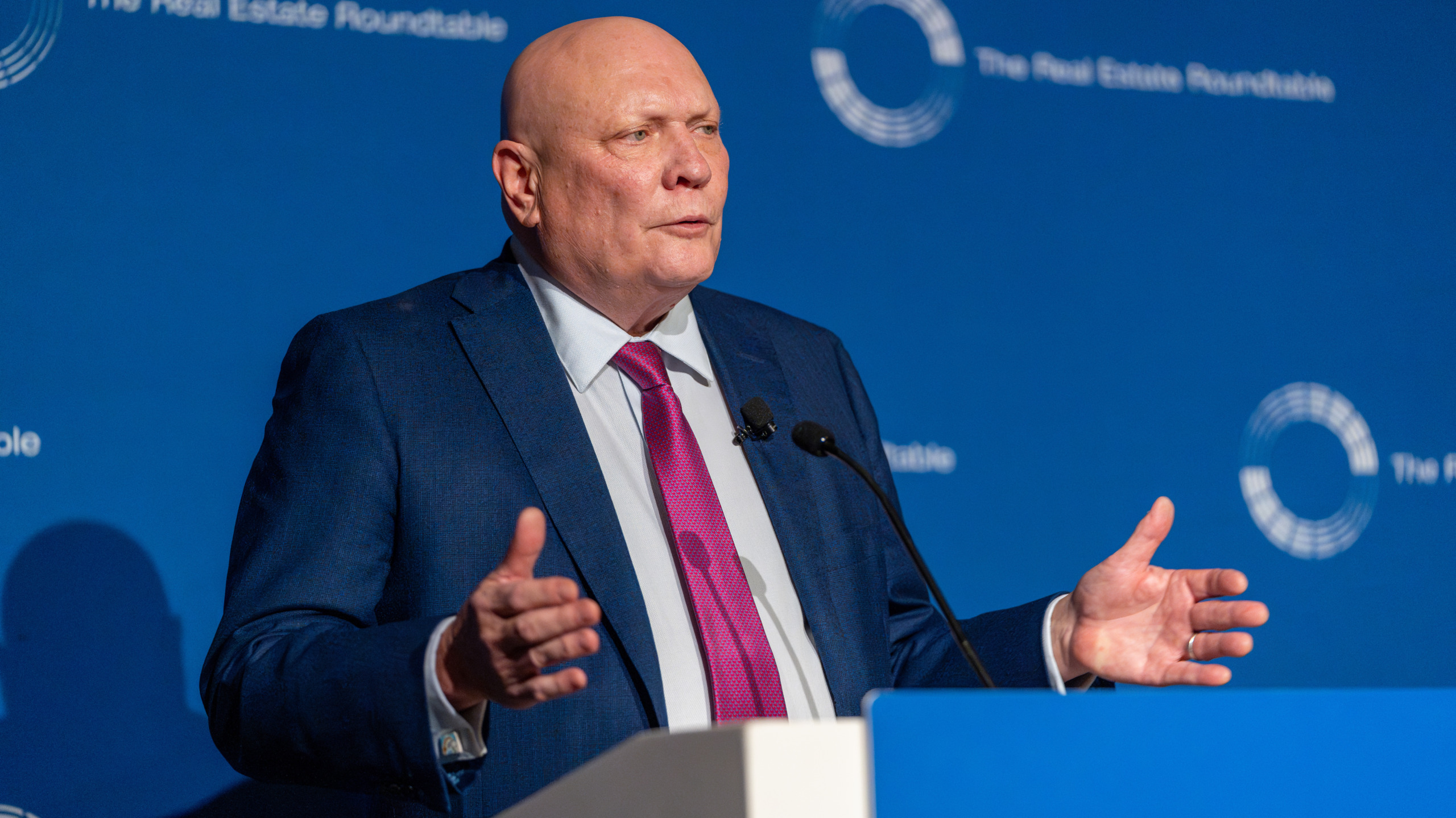
  • Jeffrey DeBoer, RER President and CEO said, “Permitting reform is essential to strengthening the nation’s electric grid and infrastructure. The current patchwork of federal reviews delays the delivery of affordable, reliable power to homes and commercial buildings. The Roundtable supports efforts—like the SPEED Act—to modernize permitting, improve grid resilience, and ensure the infrastructure needed for long-term economic growth.”
  • EEI President Drew Maloney recently noted, “We support developing all energy sources. We need as many electrons on the grid as possible to help keep the grid reliable and costs low.” (NPR, Nov. 6)

Senate Energy Plan

Sustainable Renewable Energy Concept With Wind Turbines, Solar Panels And City Buildings Background.
  • This week, Sen. Ruben Gallego (D-AZ) unveiled an all-of-the-above energy framework, “Fostering American Energy Innovation and Affordability,” focused on affordability, reliability and efficiency. (Press Release, Dec. 4) (Axios, Dec. 3)
  • His plan promotes permitting reform for natural-gas pipelines and interstate transmission siting and emphasizes investment in solar, wind, advanced nuclear, and geothermal energy as part of a broader push to modernize the grid and lower costs. (PoliticoPro, Dec. 4)

House Committee Advances Energy Affordability Measures
  • The House Energy and Commerce Committee advanced a slate of energy bills this week aimed at lowering energy costs and rolling back Biden-era efficiency rules. Most of the measures passed along party lines. (PoliticoPro, Dec.4)
  • Energy Choice Act (H.R. 3699): Passed 24–21; blocks state and local bans on s natural gas connections to buildings. (A “ban on gas bans” aligns with RER’s 20-Point Policy Guide on Building Performance Standards)
  • Affordable Housing Over Mandating Efficiency Standards Act (H.R. 5184): Passed 30–16; shifts manufactured-housing oversight from DOE to HUD and overturns Biden-era efficiency standards that increase upfront housing costs. (Roundtable Weekly, Nov. 21)
  • Homeowner Energy Freedom Act (H.R. 4758): Passed 25–21; repeals portions of the Inflation Reduction Act, including electric-home rebates and related grant programs. (Roundtable Weekly, Feb. 28)

Up Next: GHG Protocol - Scope 2 Guidance

  • RER’s Sustainability Policy Advisory Committee (SPAC) in coordination with Nareit, is developing industry-wide comments on the GHG Protocol’s proposed revisions to its Scope 2 Guidance, now under public consultation.
  • RER will host a one-hour member discussion on Wednesday, Dec. 10, from 3:00–4:00 p.m. ET to help shape the industry’s responses to the Scope 2 survey. For more information, contact Duane Desiderio, ddesiderio@rer.org.

RER will continue working with lawmakers and industry partners to advance permitting reforms that expand energy supply, strengthen grid reliability, and support real estate investment across property types.
Growing Bipartisan Effort in Congress Targets Barriers to Housing Supply and Affordability

Housing Hearing

  • The House Financial Services Committee this week examined regulatory obstacles driving the nation’s housing shortage during a hearing on “Building Capacity: Reducing Government Roadblocks to Housing Supply.”
  • Lawmakers and witnesses focused on zoning limits, lengthy permitting timelines, and other local and federal policies that restrict new construction and inflate costs. (Committee Press Release, Dec. 3)
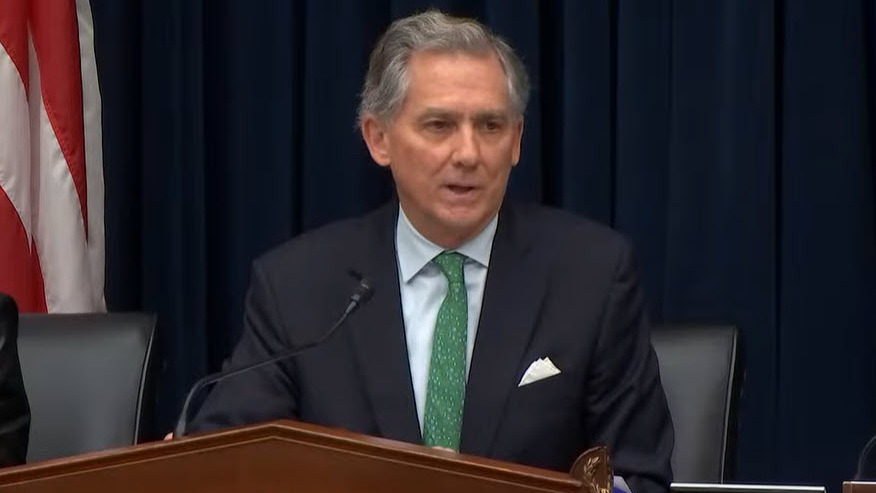
  • Committee Chair French Hill (R-AR) said during the hearing the committee will assemble a housing and banking package later this month aimed at cutting red tape, strengthening community bank lending to homebuilders, and creating a more predictable development environment for builders, lenders, buyers, and renters. (Politico, Dec. 3)
  • Throughout the hearing, witnesses highlighted the need to cut red tape, streamline local permitting, and address workforce, tariff, and energy-rule cost pressures, while emphasizing the expansion of manufactured housing as a critical supply solution.
  • National Association of Realtors Immediate Past President Kevin Sears testified that zoning prohibitions and regulatory barriers at all levels restrict many communities from allowing diverse housing types. He added that lengthy permitting processes further slow development, and that federal incentives to encourage local governments to streamline approvals would be highly beneficial. (Watch Hearing; Committee Memo)

State of Play

  • The Senate Banking Committee has its own bipartisan housing policy package, the Renewing Opportunity in the American Dream (ROAD) to Housing Act of 2025 (S. 2651), which passed in October, as part of its version of the National Defense Authorization Act (NDAA). (Roundtable Weekly, Oct. 17)
  • GOP leaders are now considering whether to add a revised or scaled-down version of the Senate’s legislation to the NDAA, but no final decisions have been made. (PoliticoPro, Dec. 3)
  • Chair Hill cautioned that members have not yet reviewed any legislative text and emphasized that the committee must be fully engaged in negotiations. He said in a statement late Wednesday that “any housing package must have the buy-in” of his committee. (PoliticoPro, Dec. 3)

Senate Housing Legislation

  • This week, Senators John Cornyn (R-TX), Michael Bennet (D-CO), Steve Daines (R-MT), Adam Schiff (D-CA), John Barrasso (R-WY), and Mark Kelly (D-AZ) introduced the More Homes on the Market Act, which would make housing more available and affordable by amending the tax code to allow sellers to exclude additional funds from capital gains taxes, incentivizing homeowners to sell their homes and increasing market supply. (Sen. Cornyn Press Release, Dec. 3)
  • The More Homes on the Market Act would increase the exclusion to $500,000 for single filers and $1 million for joint filers, making it more financially desirable for homeowners to sell and increasing housing turnover.
  • “The American dream is rooted in owning a home and raising a family, but an outdated tax code not only prevents the next generation from being able to afford a home, but it also prevents seniors seeking to downsize from selling theirs,” said Sen. Cornyn. â€śThis legislation would update the tax code to incentivize sellers and make homes more affordable, and I’m glad to support it.”

EB-5 & Workforce

  • Sen. Gallego (D-AZ) introduced the Building Housing for the American Dream Act this week, a bill that would redirect foreign capital from the EB-5 program into affordable housing construction. (Sen. Gallego Press Release, Dec. 4)
  • The bill would extend the lower $800,000 investment threshold to projects dedicated to the production, preservation, or rehabilitation of housing and expedite processing for applications linked to affordable housing. (Bloomberg, Dec. 4)
  • “Creative policy solutions must be on the table to increase the housing supplies we need to address the national affordability crisis” said Jeffrey D. DeBoer, President and CEO of The Real Estate Roundtable.
  • “Senator Gallego’s Building Housing for the American Dream Act hits the mark. It recognizes that housing should be treated as infrastructure. It will attract overseas investment capital through the EB-5 visa program, helping to build more homes in markets across the country where there are serious housing shortages. It will accomplish these goals at no cost to taxpayers, and create jobs for American workers. This is a smart bill that should be included in long-term EB-5 reauthorization. We thank Senator Gallego for his leadership.”  (Sen. Gallego Press Release, Dec. 4)

RER will continue engaging with policymakers and industry leaders to promote bipartisan solutions and regulatory reforms that expand housing supply, improve affordability, and strengthen economic stability.