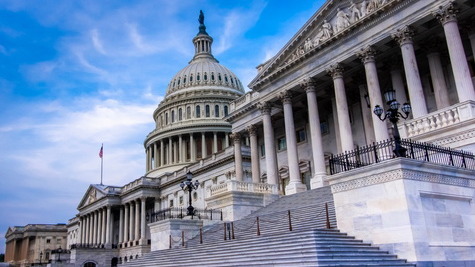
The Senate bill (S.4395) follows bipartisan action in the House (H.R. 7128) earlier this year and adds momentum to efforts to reauthorize TRIA well ahead of its scheduled expiration on Dec. 31, 2027. (Legis1, April 29)
Terrorism Risk Insurance Program Reauthorization Act of 2026 (TRIA)
Sens. Dave McCormick (R-PA), Tina Smith (D-MN), Thom Tillis (R-NC), and Ruben Gallego (D-AZ) introduced the bill on April 27 in the Senate Banking, Housing, and Urban Affairs Committee. (Sen. McCormick Press Release, April 27)
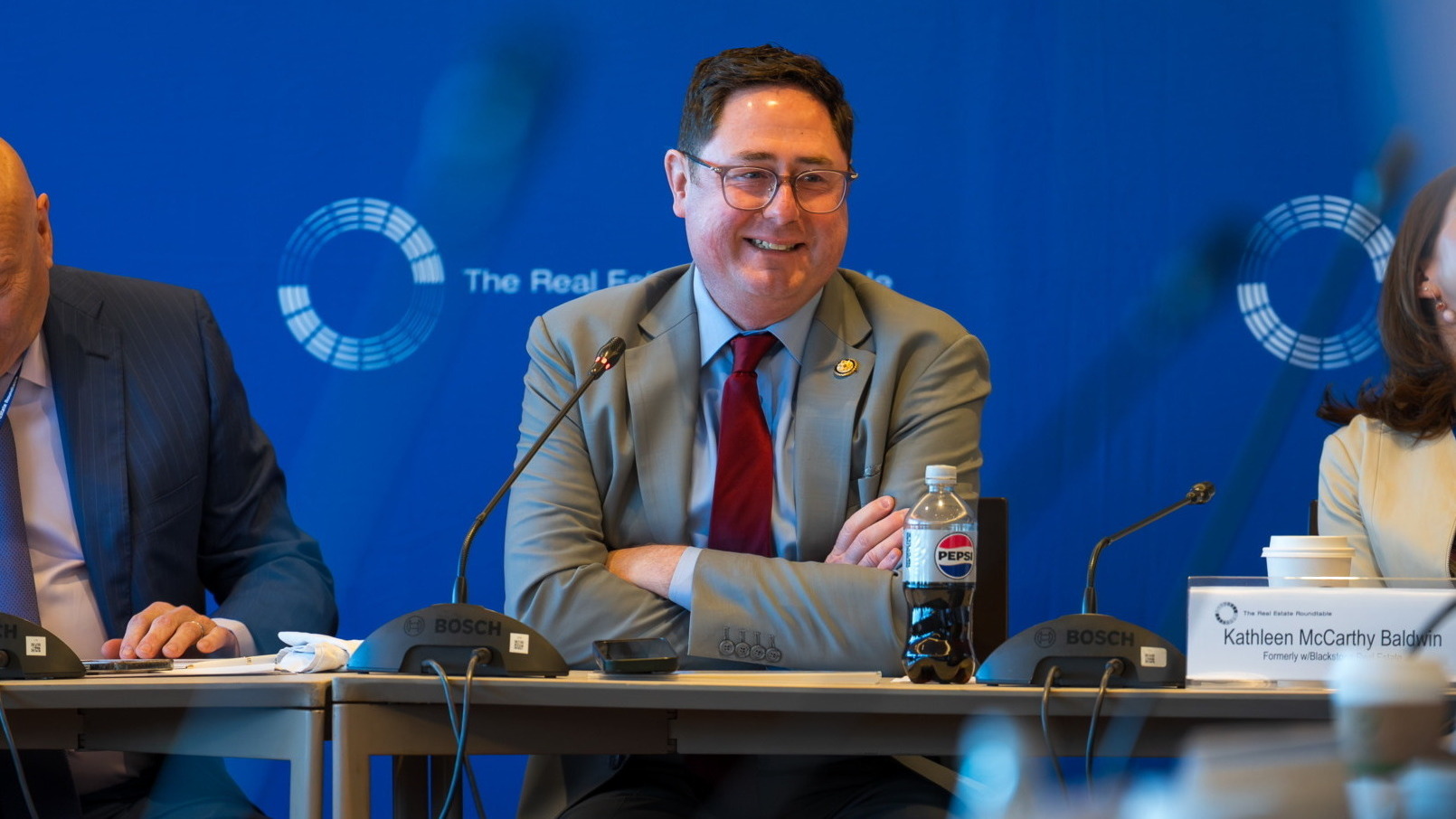
“Since 9/11, The Roundtable has worked to ensure businesses can secure the terrorism risk coverage needed to finance projects, protect jobs, and support economic growth. We commend bipartisan leaders in the House and Senate for advancing TRIA reauthorization well ahead of its expiration. This program remains vital to commercial real estate and the broader economy, and we look forward to working with Congress to pass a long-term extension,” said Jeffrey D. DeBoer, President and CEO of The Real Estate Roundtable (RER).
More than 20 bipartisan cosponsors joined the bill, including Senate Banking Committee Chairman Tim Scott (R-SC) and Senate Democratic Leader Chuck Schumer (D-NY), who led prior TRIA reauthorization efforts while serving on the Banking Committee. (Full bill text)
“Reauthorizing the Terrorism Risk Insurance Program is essential to ensuring businesses have the certainty they need to operate and invest with confidence,” said Sen.Tillis (R-NC). “This longstanding public-private partnership has helped safeguard our economy for more than two decades, and extending it will prevent disruption while ensuring we remain prepared for evolving threats.” (Press Release, April 27)
Roundtable Advocacy
Since 9/11, RER has been at the forefront of efforts to secure terrorism risk coverage for American businesses. (Roundtable Weekly, Sept. 19)
In September 2025 and January 2026, CIAT submitted letters to the House Financial Services Committee (HFSC) urging lawmakers to act well before TRIA’s scheduled expiration. The coalition warned that allowing the program to lapse would trigger “a period of profound economic slowdown, posing a very real threat to our economic and homeland security.” (Letter, Jan. 21, 2026 | Letter, Sept. 15, 2025)
A RER survey cited in the letter found that more than $15 billion in property transactions stalled or were canceled in the 14 months between 9/11 and TRIA’s passage, underscoring the economic damage caused by the absence of terrorism insurance.
TRIA was originally enacted in 2002, following the 9/11 attacks. The program has been reauthorized four times—in 2005, 2007, 2015, and 2019—and is currently set to expire on Dec. 31, 2027.
While TRIA has never been triggered, it has provided a crucial backstop against losses from terrorist attacks for nearly two decades.
At almost no cost to the taxpayer, the TRIA Program has been the key factor in ensuring that the private insurance market has remained intact and continues to meet the needs of commercial policyholders amid the ongoing threat of future terrorist attacks—all while minimizing federal taxpayer exposure.
What’s Next
Earlier this year, the HFSC approved the House’s TRIA reauthorization bill (H.R. 7128), sponsored by Reps. Mike Flood (R-NE) and Andrew Garbarino (R-NY). (Roundtable Weekly, Jan. 23)
The House bill would extend TRIA through 2034 and raise the program trigger from $5 million to $10 million beginning in 2029.
The House bill is expected to come up for a vote on the suspension calendar in the weeks ahead, as lawmakers work to reconcile minimal differences between the House and Senate versions and move the legislation toward final passage.
RER and its CIAT coalition will continue working with policymakers to secure a long-term TRIA reauthorization ahead of 2027.


 Menu
Close
Menu
Close
 About Us