Tax Policy Roundup: Lame-Duck Outlook, Opportunity Zones and Data Center Proposals
October 16, 2026
The November elections will shape the prospects for year-end tax legislation, with a crowded lame-duck agenda leaving limited room for a bipartisan package. Treasury and the IRS are also advancing guidance affecting real estate investment, while lawmakers continue to pursue new limits on data center tax incentives.
Lame-Duck Outlook
Lawmakers will return to Washington with just 24 legislative days to address government funding beyond Dec. 11, the annual defense policy bill and other expiring programs. Those negotiations could provide a vehicle for a limited tax package. (Politico, Oct. 13)
Potential provisions could include renewing the Work Opportunity Tax Credit, improving IRS administration, and making targeted corrections to the 2025 tax law. A narrow bipartisan agreement appears more achievable than a broader tax bargain, with cost and competing party priorities remaining obstacles. (WilmerHale, Oct. 14)
Control of the next Congress will influence whether lawmakers negotiate a year-end agreement or defer major decisions until 2027. Another Republican reconciliation bill remains uncertain, with Senate Majority Leader John Thune (R-SD) acknowledging the difficulty of securing sufficient votes. (Politico, Oct. 13 | Thomson Reuters, Oct. 15)
Senate Minority Leader Chuck Schumer (DNY) stated in a recent interview, “The lame duck will be quite different if we win the Senate,” he said. “Same thing if they win the House, and same thing if we win both or neither.” (Politico, Oct. 13)
Opportunity Zones and Tax Guidance
OZ deadlines: State nominations for new OZ maps have been extended and are now due Oct. 28, while comments on proposed reporting rules and broader program implementation are due Oct. 26 and Nov. 23, respectively. (Roundtable Weekly, Sept. 25 | Federal Register, Sept. 28 | IRS, Sept. 22)
RER advocacy: RER’s Opportunity Zone Working Group met with Treasury and IRS officials in August and has urged clear transition rules that allow existing projects to continue under the permanent program. (Roundtable Weekly, Sept. 25)
Treasury and the IRS recently released their 2026–2027 Priority Guidance Plan, outlining 121 tax guidance projects, including rules on Opportunity Zones, business interest deductibility, bonus depreciation and the Section 199A pass-through deduction. (Treasury–IRS Priority Guidance Plan, Sept. 29)
These administrative decisions will help determine how provisions of the 2025 tax law operate regardless of congressional action.
Data Center Tax Proposals
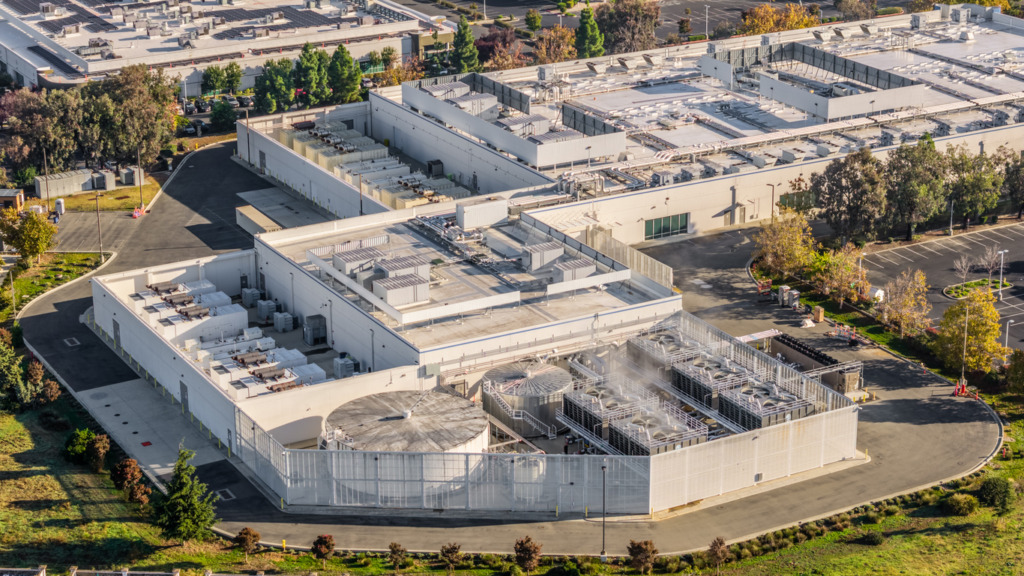
Sen. Peter Welch (D-VT) urged the IRS to examine whether major technology companies are improperly claiming research and experimentation tax credits for AI data center development. His Oct. 7 letter requests information on claims, enforcement, and potential guidance changes. (Sen. Welch Press Release, Oct. 8)
Sen. Welch’s inquiry follows proposals from Senate Finance Committee Ranking Member Ron Wyden (D-OR), Sen. Josh Hawley (R-MO) and House Democrats targeting data center tax treatment. (PoliticoPro, Oct. 14)
The proposals include restrictions on OZ eligibility and bonus depreciation; Wyden’s framework also targets certain REIT rents and proposes an operator excise tax. (Roundtable Weekly, Aug. 7 | Roundtable Weekly, Sept. 25 | Axios, Oct. 8)
A separate report led by Sen. Elizabeth Warren (D-MA) criticized data center companies’ energy-cost commitments and pursuit of state and local tax incentives. (Sen. Warren Press Release, Oct. 9)
In his prepared remarks, DeBoer highlighted that “[r]eal estate development is not just about buildings; it is a macro-economic engine that provides funding for local and national budgets, creates millions of jobs and structurally supports the long-term retirement goals of everyday Americans through pension funds and institutional portfolios.”
DeBoer also called for policies that reward capital investment, lower housing production costs, accelerate commercial-to-residential conversions, remove regulatory barriers, and expand private investment in housing and community redevelopment.


 Menu
Close
Menu
Close
 About Us