
SPEED Act Passes House, Setting Stage for Senate Permitting Talks
House Committee Advances Roundtable-backed Housing Package and Flood Insurance Bill
Roundtable Urges IRS to Issue Transition Guidance for Opportunity Zones
Roundtable Urges Second Circuit Court of Appeals to Preserve Employment Tax Exemption for Limited Partners
Roundtable Weekly Will Resume Publication on January 9, 2026
Roundtable Weekly
December 19, 2025
SPEED Act Passes House, Setting Stage for Senate Permitting Talks

The U.S. House of Representatives passed the bipartisan SPEED Act (H.R. 4776) on Thursday by a 221–196 vote, advancing legislation aimed at streamlining federal permitting reviews to accelerate energy and infrastructure development amid surging electricity demand and rising power costs. (Axios, Dec. 18)

State of Play

  • Sponsored by House Natural Resources Committee Chair Bruce Westerman (R-AR) and Rep. Jared Golden (D-ME), the SPEED Act would overhaul the National Environmental Policy Act (NEPA) by reducing duplicative reviews, curbing excessive litigation, and increasing certainty for large-scale grid improvements and other infrastructure development requiring federal approval.
  • The House's passage of the SPEED Act marks a significant step in a broader congressional push to modernize permitting rules and address long-standing bottlenecks slowing investments in power generation, transmission, and distribution projects.
  • “For too long, America’s broken permitting process has stifled economic development and innovation,” Chair Westerman said following the vote. “This historic vote on the SPEED Act will fix the system by establishing the project certainty that’s currently lacking in the permitting process and allow America to build again.” (PoliticoPro, Dec. 18, Rep. Westerman Weekly Column, Dec. 19)
  • 11 Democratic votes in favor of the measure demonstrated bipartisan momentum heading into Senate consideration.
  • In the Senate, key negotiators acknowledged the House GOP’s internal challenges but welcomed the bill’s passage. Senate Environment and Public Works Chair Shelley Moore Capito (R-WV) said the House vote “will give us good momentum,” while Ranking Member Sheldon Whitehouse (D-RI) emphasized his focus on producing a bipartisan Senate bill. (PoliticoPro, Dec. 18)
  • The Trump administration has expressed support for congressional action on permitting reform, but has not taken a position on the SPEED ACT. (PoliticoPro, Dec. 8)

Roundtable Advocacy

  • Ahead of the procedural vote earlier in the week, The Real Estate Roundtable (RER) joined a broad business coalition led by the U.S. Chamber of Commerce in support of the SPEED Act. (Dec. 16 Letter)
  • RER also wrote to congressional leadership last week, urging passage of the bill, citing the need to strengthen grid reliability, lower energy costs, and keep pace with rapidly rising electricity demand. (Letter, Dec. 8)
  • In its letter, RER emphasized that the U.S. needs “as much electricity as possible, from as many sources as possible, delivered as quickly and cheaply as possible” to support economic growth, re-shore manufacturing, and maintain global competitiveness in artificial intelligence. (Roundtable Weekly, Dec. 12)

What’s Next

  • The bill now heads to the Senate, where it is expected to spur broad cross-committee negotiations involving the Energy and Natural Resources Committee and the Environment and Public Works Committee. (Axios, Dec. 18)
  • The House vote “doesn’t get any easier” for the SPEED Act to make it all the way through Congress, as the “political opening is extremely narrow” in the Senate. (Axios, Dec. 19)
  • The legislation faces opposition from some Senate Democrats who seek further protections to advance wind and solar development. At least seven Democrats would be needed to overcome a filibuster. (Bloomberg, Dec. 18)
  • Despite divisions, several Senate Democrats have signaled interest in crafting a permitting compromise capable of securing the 60 votes required for passage. (Axios, Dec. 18)

Permitting reform will be a featured topic at RER’s next all-member State of the Industry Meeting on Jan. 21–22, 2026, in Washington, D.C., as policymakers consider strategies to accelerate energy infrastructure and support long-term economic growth.

House Committee Advances Roundtable-backed Housing Package and Flood Insurance Bill

This week, the House Financial Services Committee (HFSC) advanced 20 bills during a two-day markup session—including the bipartisan Housing for the 21st Century Act (H.R. 6644), which contains numerous reforms championed by The Real Estate Roundtable (RER) and a coalition of national real estate and housing organizations. (Letter, Dec. 15)

Comment Letter Highlights
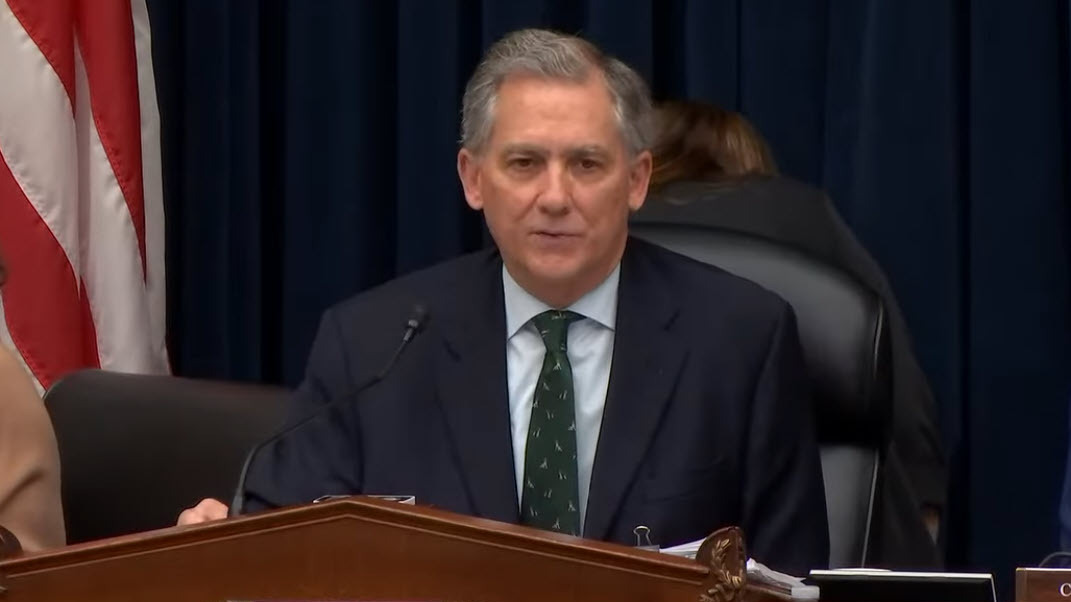
  • Ahead of the two-day markup session, RER and a coalition of 11 other housing, finance, and real estate groups sent a letter to HFSC Chair French Hill (R-AR), Ranking Member Maxine Waters (D-CA), and housing subcommittee leaders expressing support for the Housing for the 21st Century Act and the committee's broader efforts to expand affordable housing. (Letter, Dec. 15)
  • The coalition commended the committee's bipartisan approach and highlighted H.R. 6644 as a "meaningful step toward addressing one of the most urgent challenges facing our nation: expanding housing supply for both renters and homeowners and improving affordability for working families."
  • The letter focused on key provisions of the HFSC's bill, such as modernizing and streamlining federal housing programs, removing unnecessary federal requirements, expanding financing pathways, promoting manufactured housing as cost-effective solutions, and more.
  • The coalition also warned that housing affordability is driven by sustained underproduction, rising construction costs, regulatory delays, and outdated standards, and emphasized that no single policy change can address these pressures alone.

Housing for the 21st Century Act Advances
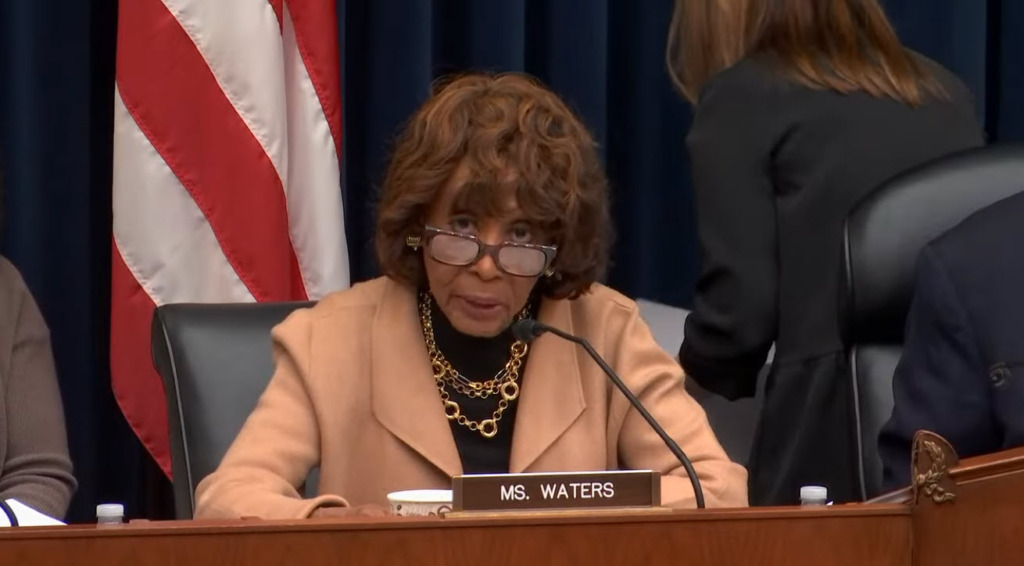
  • Co-sponsored by Chair Hill and Ranking Member Waters, the Housing for the 21st Century Act received near-unanimous support this week—with the Committee voting 50-1 for its passage.
  • The Housing for the 21st Century Act incorporates some elements of the bipartisan ROAD to Housing Act, which was approved by the Senate in October before stalling after House Republicans signaled they wanted more scope to advance their own housing legislation. (Roundtable Weekly, Dec. 12)
  • A key feature of the House's bill is an update to the HOME Investment Partnerships Program aimed at reducing red tape and expanding eligibility.
  • The bill also streamlines environmental review rules and enhances oversight of housing providers, among a range of other reforms.  
  • Chair Hill called the bill "historic" and said that it will "get to the root of the housing affordability challenges our country has experienced for the last several years." (Chair Hill Press Release, Dec. 17)
  • The measure is now expected to go to a House floor vote in early 2026. (Housing Wire, Dec. 17) 

NFIP Reauthorization Advances

  • Additionally, the HFSC advanced the NFIP Extension Act of 2026 (H.R. 5577) to reauthorize the National Flood Insurance Program through Sept. 30, 2026.
  • While lawmakers emphasized the need for long-term reform, there was broad consensus that avoiding a lapse is essential ahead of the program's Jan. 19 expiration.
  • RER has consistently supported long-term NFIP authorization and program reform.

RER will continue to engage with policymakers in support of legislation that increases housing supply and ensures that property owners can access the insurance protection that they need from increasingly costly natural disasters.
Roundtable Urges IRS to Issue Transition Guidance for Opportunity Zones

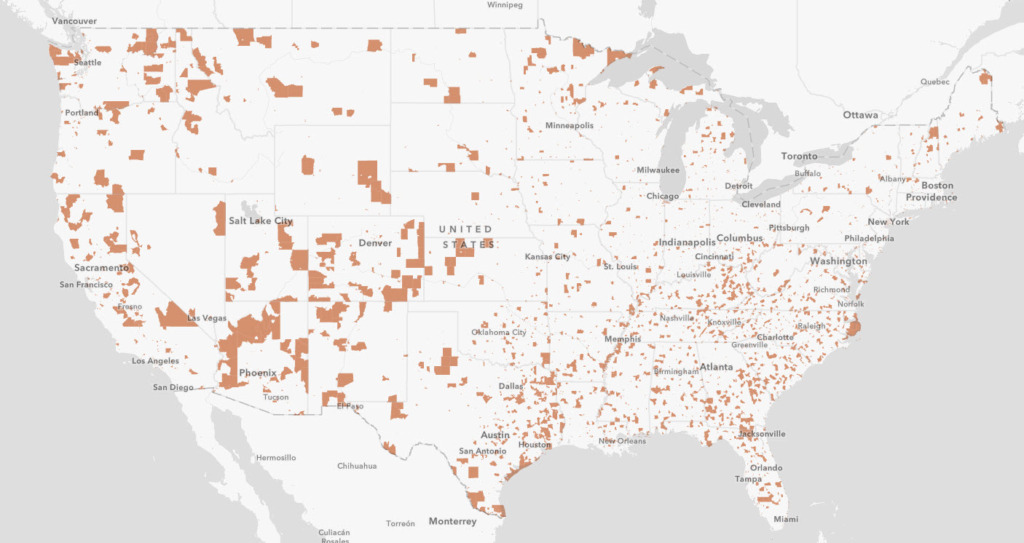
The Real Estate Roundtable (RER) submitted a comment letter this week, urging the Treasury Department and IRS to issue expedited guidance to ensure Opportunity Zone (OZ) investment continues uninterrupted in 2026 as the program transitions from Opportunity Zones 1.0 to the permanent Opportunity Zones 2.0 framework enacted in the One Big Beautiful Bill (OB3) Act. (Letter, Dec. 19)

Roundtable Advocacy

  • In a letter to IRS Chief Counsel (Acting) Kenneth Kies, RER called on the agency to issue a Revenue Procedure confirming that investments in existing Tax Cuts and Jobs Act (TCJA) qualified opportunity funds (“QOFs”) and qualified opportunity zone businesses (“QOZBs”) will continue to qualify for OZ benefits after zone designations lapse, provided the investments are consistent with the QOZB’s working capital plan.
  • RER warned that, absent clear transition rules, investors in 2026 will face uncertainty over whether to proceed with TCJA OZ projects or wait for new zone designations expected to take effect in 2027—risking a slowdown in capital deployment to distressed communities.
  • The OB3 Act made OZs permanent and expanded key incentives, but also raised questions about compliance testing, QOF asset requirements, and treatment of projects that span the transition period between expiring and newly designated zones.

Why It Matters

IRS building in Washington, DC
  • RER emphasized that OZs have mobilized more than $120 billion in private capital nationwide, supporting affordable and workforce housing, retail, mixed-use developments, and small-business growth in low-income communities.
  • Without timely IRS action, uncertainty could delay projects already underway, disrupt financing, and undermine the long-term policy goals Congress reinforced by making the program permanent.
  • RER urged the IRS to adopt a clear “safe harbor” allowing certain TCJA OZ projects to be treated as “grandfathered” for compliance purposes if their working capital plans contemplated development before zone designations expired and investments remain consistent with those plans.

Prompt administrative guidance is essential to prevent a policy gap in 2026 and keep capital, jobs, and housing investment flowing to the communities OZs were designed to serve. OZs will be discussed at the next in-person TPAC meeting at RER’s State of the Industry Meeting scheduled for Jan. 21-22, 2026.
Roundtable Urges Second Circuit Court of Appeals to Preserve Employment Tax Exemption for Limited Partners

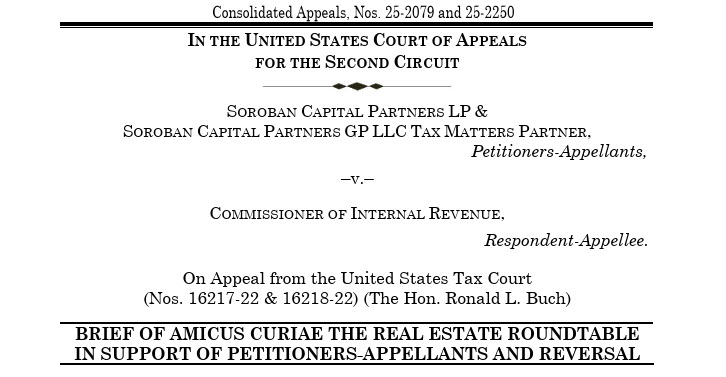
The Real Estate Roundtable (RER) filed an amicus brief this week with the Second Circuit Court of Appeals in Soroban Capital Partners LP v. Commissioner, a case that challenges the IRS’s restrictive interpretation of the “limited partner exception” from self-employment (SECA) taxes under section 1402(a)(13) of the tax code. (Amicus Brief, Dec. 15)

Why It Matters

  • Income-producing real estate—rental housing, neighborhood shopping centers, office buildings, etc.—is predominantly owned and operated in partnership form. In 2022, there were over 2.2 million real estate partnerships in the United States, with nearly 9.6 million partners.
  • The Self-Employment Contributions Act (SECA) imposes Social Security and Medicare taxes on net earnings from self-employment. The SECA tax rate on earnings above $250,000 is 3.8%. While the tax applies to a broad range of trade or business income, Congress expressly exempted limited partners from SECA in the Social Security Amendments of 1977.
  • Legislative proposals and proposed regulations have unsuccessfully attempted to extend the 3.8% SECA tax or the 3.8% net investment income tax to limited partners.
  • The IRS has undertaken an aggressive effort to redefine what it means to be a limited partner by challenging taxpayers and litigating the issue in several cases before the Tax Court.

Roundtable View

  • Real estate partnerships have relied for decades on longstanding tax law as it relates to limited partners and the SECA exception.
  • In Soroban and related cases, the Tax Court has imposed a judge-made test and concluded contrary to decades of established state law that a limited partner must be a ‘passive investor,’ notes the RER amicus brief.
  • The Tax Court’s 2023 Soroban ruling wrongly introduced a federal “passivity” requirement that is unmoored from statute, legislative history, and Treasury’s own prior interpretations. However, limited partners have routinely provided business services to their partnerships without losing their limited liability status. (Roundtable Weekly, Sept. 12)
  • “A shift in the federal tax definition of a limited partner could alter underlying partnership economics, increase tax burdens, and create significant uncertainty for real estate and other pass-through businesses,” said RER President and CEO Jeffrey DeBoer. “Such changes need to go through Congress and withstand legislative scrutiny.”

Background

  • RER’s amicus brief was drafted by litigation counsel at Sullivan & Cromwell LLP, in consultation with RER’s Tax Policy Advisory Committee (TPAC). RER also filed an amicus brief in August
    with the First Circuit Court of Appeals in a related case, Denham Capital Management LP v. Commissioner. (Roundtable Weekly, Sept. 12)

Next Steps

The decision in any of the pending cases could have nationwide implications for how partnerships are treated under SECA. A ruling against the Tax Court’s passive investor test would reinforce state law’s central role in defining “limited partner” status.

Roundtable Weekly Will Resume Publication on January 9, 2026

The Roundtable’s policy news digest will resume publication on Friday, January 9, 2026.

Recent issues of Roundtable Weekly can be searched by keyword here.