House Passes Bipartisan Housing Package; HFSC Hearings Spotlight Affordability and Secondary Mortgage Market
This week, the House overwhelmingly passed the bipartisan Housing for the 21st Century Act (H.R. 6644). Following Monday's vote on this sweeping bill, the House Financial Services Committee (HFSC) held a hearing on Tuesday to examine how policies in the financial services and housing sectors contributed to rising cost-of-living pressures for American families by restricting access to capital and credit. On Wednesday, the Subcommittee on Housing and Insurance held a hearing to examine housing affordability and the role of the secondary mortgage market.
Housing for the 21st Century Act
On Monday, the House approved the bipartisan Housing for the 21st Century Act by a 390-9 vote, marking one of the strongest bipartisan housing votes in recent years. (The Hill, Feb. 10)
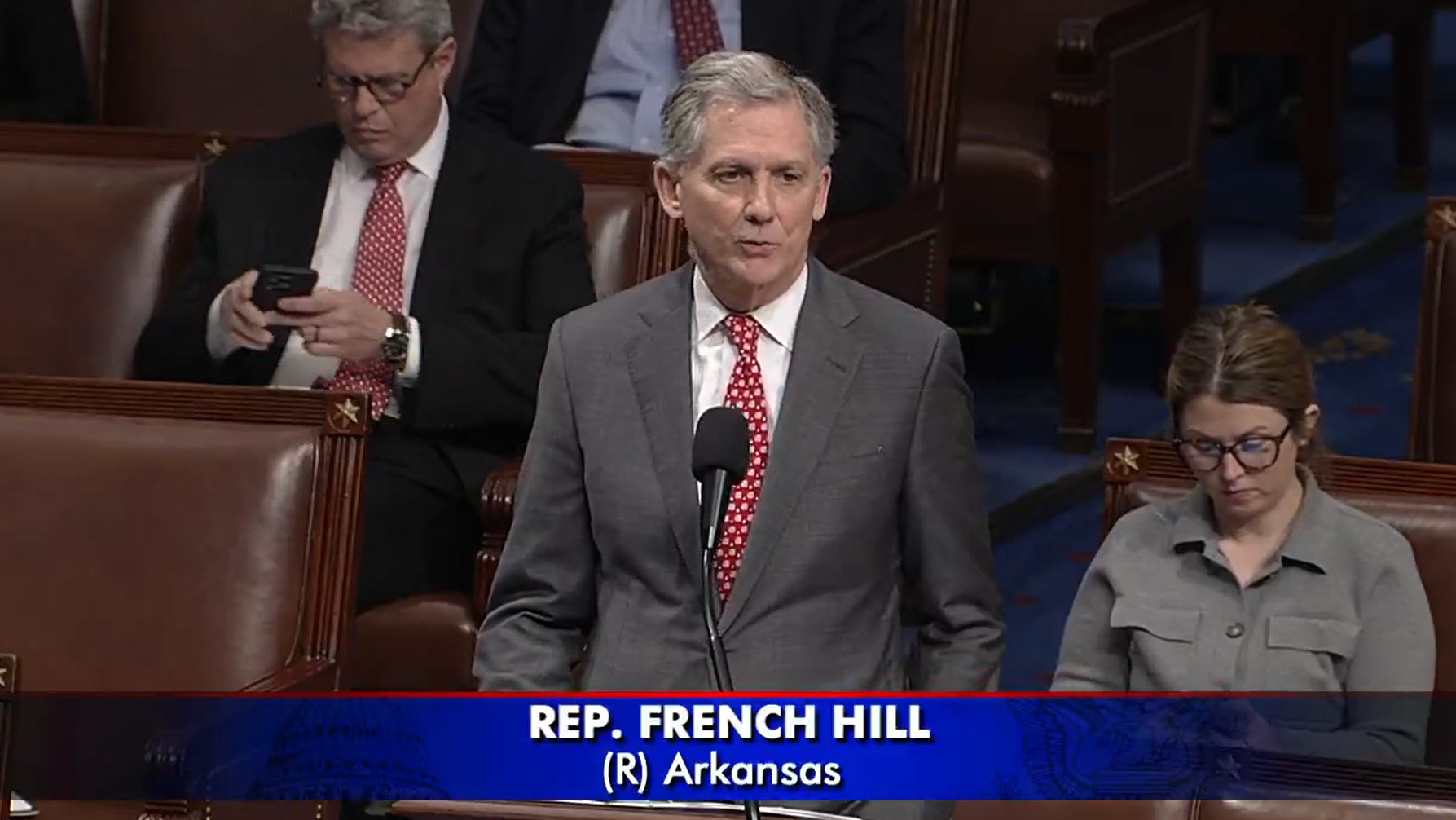
Led by HFSC Chairman French Hill (R-AR) and Ranking Member Maxine Waters (D-CA), the legislation includes provisions to streamline housing production and affordability by updating outdated programs, removing unnecessary federal requirements, increasing local flexibility, and allowing banks to more freely deploy funding. (The Hill, Feb. 10 | Comment Letter, Feb. 6)
The bill addresses a housing shortfall of up to 5.5 million units, driven by regulatory delays, zoning constraints, and rising construction costs. (The Hill, Feb. 6)
In a Feb. 6 letter to Congress, The Real Estate Roundtable (RER) joined a group of national real estate and housing organizations in expressing “strong support” for the measure, commending the HFSC for advancing “practical, solutions-oriented housing policy.” (Comment Letter, Feb. 6)
The coalition added that the bill “supports increased housing supply, improved access to homeownership, and appropriate consumer protections, particularly in high-cost and underserved communities.” (Comment Letter, Feb. 6)
The bill’s passage in the House sets up negotiations with the Senate, which passed its own housing legislation—the ROAD to Housing Act—late last year. The two bills contain similar supply-side reforms but differ on certain grant programs and community bank provisions. (Punchbowl News, Dec. 14)
Hearing on Affordability Crisis
On Feb. 10, the HFSC held a hearing titled, “Priced Out of the American Dream: Understanding the Policies Behind Rising Costs of Housing and Borrowing,” focused on legislative and regulatory proposals to address the affordability crisis. (HFSC Hearing, Feb. 10)
The hearing noticed three proposals to restrict institutional investment in single-family rentals (SFRs)—a topic that has gained momentum following a related Executive Order issued last month. However, the SFR issue surfaced only briefly during Tuesday’s session, and none of the restrictive measures advanced. (Executive Order, Jan. 20)
In a Feb. 10 comment letter to HFSC leadership, RER and national real estate trade groups cautioned against limiting institutional capital in the housing market, including SFR assets. (Comment Letter, Feb. 10)
The letter explained, “There is no evidence that institutional investors are crowding out prospective homebuyers,” citing data showing that institutional investors accounted for just 0.3 percent of the $2 trillion in single-family home purchases over the past year. (Comment Letter, Feb. 10)
The letter highlighted the positive developments that institutional investors have contributed to the market, stating, “Institutional SFR investment expands rental supply in markets where it was previously limited, increases access to high-opportunity neighborhoods, and benefits households with lower incomes, wealth, and savings.” (Comment Letter, Feb. 10)
RER and coalition partners also urged lawmakers to avoid policies that would restrict capital formation and instead prioritize supply-forward reforms to close the nation’s housing gap. (Comment Letter, Feb. 10)
Homeownership and the Secondary Mortgage Market
On Feb. 11, the HFSC’s Subcommittee on Housing and Insurance held a hearing titled, “Homeownership and the Role of the Secondary Mortgage Market,” examining the structure, function, and evolution of the market and how the government-sponsored enterprises (GSEs) Fannie Mae and Freddie Mac impact housing affordability. (HFSC Subcommittee Hearing, Feb. 11)
In his opening remarks, Subcommittee Chairman Mike Flood discussed the importance of liquidity and capital efficiency in today’s regulatory environment.
“The secondary mortgage market works to provide greater liquidity for lenders and results in greater access to mortgage lending for borrowers. In today’s banking regulatory climate, holding a mortgage on a bank’s balance sheet can result in significant capital costs,” Chairman Flood said. (Rep. Flood Press Release, Feb. 11)
Chairman Flood added that no legislation was noticed during the hearing, as the session was intended to explore the subject matter in-depth.
Bob Broeksmit, President and CEO of the Mortgage Bankers Association, touched on the substantial role that GSEs play in the secondary market. He also advocated that any reforms enacted to end the GSEs’ government conservatorship provide “an ample runway to ensure deep, liquid secondary markets for single-family and multifamily mortgages through all economic cycles and in all geographic regions.” (MBA Testimony, Feb. 11)
RER will continue engaging lawmakers in both chambers to advance durable housing solutions and sensible GSE reforms that support homeownership, expand affordable housing supply, and sustain economic growth.
Capital & Credit
House Passes Bipartisan FSOC Reform Bill
The House passed six bipartisan bills from the House Financial Services Committee (HFSC) this week, including the Real Estate Roundtable (RER)-backed Financial Stability Oversight Council (FSOC) Improvement Act of 2025. (H.R. 3682). (Press Release, Feb 9)
FSOC Improvement Act of 2025
The House passed the bill unanimously by voice vote after the HFSC approved H.R. 3682 during its Sept. 16, 2025, markup.
The bill would reform FSOC by strengthening transparency, accountability, and procedural safeguards in its decision-making process. It is intended to bolster due-process protections, improve interagency coordination, and ensure designations are based on rigorous analysis.
The bill would require FSOC to consult with a company and its primary regulator before designating a nonbank as a Systemically Important Financial Institution (SIFI). (Letter, Oct. 28)
RER Advocacy
RER and coalition partners sent a letter of support for H.R.3682 in October 2025, emphasizing an activities-based approach to systemic risk, transparent cost-benefit analysis, and clear procedural guardrails to improve predictability and interagency coordination. (Roundtable Weekly, Oct. 31)
The October letter built on a July 2025 coalition letter urging FSOC to rescind its 2023 interpretive guidance and reinstate its 2019 framework, citing due-process protections and stronger coordination with primary regulators. (Roundtable Weekly, July 18)
RER has consistently urged regulators to focus on systemic-risk activities—not broad entity designations that can fuel regulatory overreach and create unintended consequences for liquidity, capital formation, and credit availability.
What’s Next
The bill now moves to the Senate Banking Committee for consideration.
Tax Policy
Roundtable Urges Treasury to Modify Proposed Regulations on Sovereign Investment in U.S. Real Estate
The Real Estate Roundtable (RER) submitted a comment letter to Treasury Secretary Scott Bessent on Treasury’s recently issued Section 892 regulations and related proposed rules that could materially affect sovereign investment in U.S. real estate. (Letter, Feb. 12)
Why It Matters
Foreign investment, including investment by sovereign wealth funds, foreign pension funds, and other government entities, is a critical source of financing for capital-intensive U.S. real estate projects.
Since 2011, foreign governmental investors have invested over $100 billion in U.S. commercial real estate.
“This patient and long-duration foreign capital drives ambitious and transformative investments that create new housing supply, lower housing costs, and spur job growth and economic opportunity in American cities,” wrote Roundtable President and CEO Jeffrey DeBoer.
Section 892 generally exempts from U.S. tax certain dividend and interest income—and gains on sales of securities—earned by foreign governments, unless the income is treated as commercial activity income or income from a controlled commercial entity. The provision traces back to 1917.
On Dec. 15, Treasury released final Section 892 regulations and issued new proposed regulations addressing two key questions: (1) when a foreign government has effective control of an entity engaged in commercial activities, and (2) when an acquisition of debt is considered commercial activity.
These issues have important consequences for existing and future sovereign investment in U.S. real estate.
RER Recommendations
The RER lettercommends Treasury for its general approach and for clarifying specific issues. At the same time, RER expressed concerns regarding aspects of the proposed regulations that could disrupt inbound real estate investment and raise the cost of capital for U.S. real estate projects.
For example, the proposed rules can be read to restrict foreign governmental investors’ ability to secure certain investor protections, such as veto rights over major investment and financing decisions. Such restrictions could deter and discourage foreign governments from investing in the United States.
The letter highlights these concerns while offering specific solutions that Treasury could incorporate in its final rulemaking. These include:
Clarifying that customary minority investor veto rights do not create effective control;
Grandfathering existing investments;
Confirming U.S. withholding agents can rely on self-certifications from foreign governments;
Clarifying that certain modifications of distressed debt are not commercial activity; and
Establishing debt-related safe harbors for specific situations.
In short, RER’s recommendations would ensure U.S. real estate owners and developers can continue to mobilize capital from foreign government sources while preserving Section 892’s fundamental distinction between tax-exempt investment activities and taxable commercial activities.
The letter was developed by TPAC’s Section 892 Working Group, which includes representatives from a diverse group of foreign investors, U.S. real estate sponsors, and outside advisors. The principal drafter was TPAC member and Skadden partner Nickolas Gianou.
The current Administration and Treasury leadership have emphasized the importance of passive foreign investment to U.S. job creation and growth. Treasury has not yet indicated when it anticipates finalizing the new Section 892 proposed regulations.
Tax Policy
First Circuit Hears Denham Oral Argument as SECA Limited Partner Fight Continues
The legal dispute over the tax code’s limited partner exception from self-employment (SECA) taxes remains very much alive, with the issue now in various stages of litigation before three federal appellate courts. The IRS is asserting that a limited partner must be a passive investor.
Denham Oral Arguments
On Feb. 5, the First Circuit heard oral argument in Denham Capital Management LP, et al. v. Commissioner (No. 25-1349), while a related appeal in Soroban Capital Partners LP v. Commissioner is pending in the Second Circuit. The Fifth Circuit also recently issued a significant decision in Sirius Solutions, L.L.L.P. v. Commissioner (No. 24-60240). (Roundtable Weekly, Jan. 30)
The First Circuit heard oral arguments in Denham before Chief Judge David Barron, Judge Kermit Lipez, and Judge Lara Montecalvo Rikelman. Most of the argument focused on jurisdictional issues, which could allow the court to resolve the case without reaching the merits.
On the merits, the panel posed tough questions to Denham and the IRS. The discussion focused on the meaning of a limited partner in 1977 when the exception was enacted, prior case law, relevant dictionary definitions, the Revised Uniform Limited Partnership Act, and the provision’s legislative history.
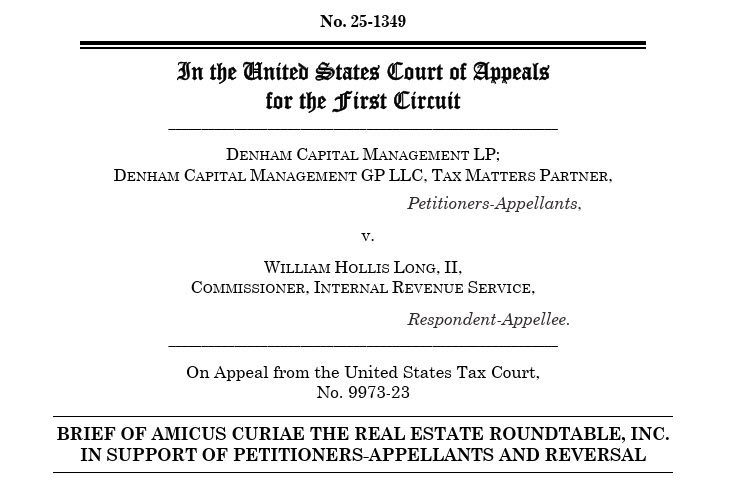
In the course of the argument, Denham emphasized state law developments leading up to the 1977 amendments and, notably, cited The Real Estate Roundtable’s (RER) amicus brief in support of its position. (RER Amicus Brief, Aug. 15; Roundtable Weekly, Sept. 12, 2025)
Why It Matters
Income-producing real estate is predominantly owned and operated through partnerships, and the IRS’s litigation campaign creates risk for long-standing structures relied on by real estate and other pass-through businesses.
A circuit split among the First, Second, and Fifth Circuits could accelerate Supreme Court review of the issue.
RER Advocacy
RER is actively engaged across the circuits to oppose the IRS’s restrictive “passive investor” approach:
First Circuit (Denham): RER filed an amicus brief in August 2025 supporting the taxpayer’s challenge to the Tax Court’s judge-made “passive investor” test and explaining the long-standing reliance of real estate partnerships on state-law limited partner status.
Second Circuit (Soroban): RER filed an amicus brief in December 2025 urging reversal of the Tax Court’s Soroban approach and warning that a new federal “passivity” overlay would inject uncertainty and increase tax burdens for partnership-based businesses. (Roundtable Weekly, Dec. 19, 2025)
Fifth Circuit (Sirius): RER filed an amicus brief in 2024, and the Fifth Circuit’s Jan. 16, 2026 decision rejected the Tax Court’s passivity-focused framework in favor of a status-based analysis tied to limited liability. (Roundtable Weekly, Jan. 30)
What’s Next
The First Circuit’s decision in Denham could turn on jurisdictional challenges, but the merits questions at argument underscored that the government’s “passive investor” theory remains contested and unstable across the courts.
RER will continue pressing its position through amicus advocacy to protect the flexibility inherent in partnership tax rules and preserve the long-standing tax exemption for limited partners.


 Menu
Close
Menu
Close
 About Us