House Passes Landmark Housing Bill, Sending Bipartisan Package Back to Senate
Housing Supply Push Gains Momentum with New Tax and Regulatory Proposals
Congress, Agencies Focus on Infrastructure and Federal Assets
Sentiment Index Shows Market in Holding Pattern as Capital Conditions Improve but Transactions Lag
Roundtable Weekly
May 22, 2026
House Passes Landmark Housing Bill, Sending Bipartisan Package Back to Senate

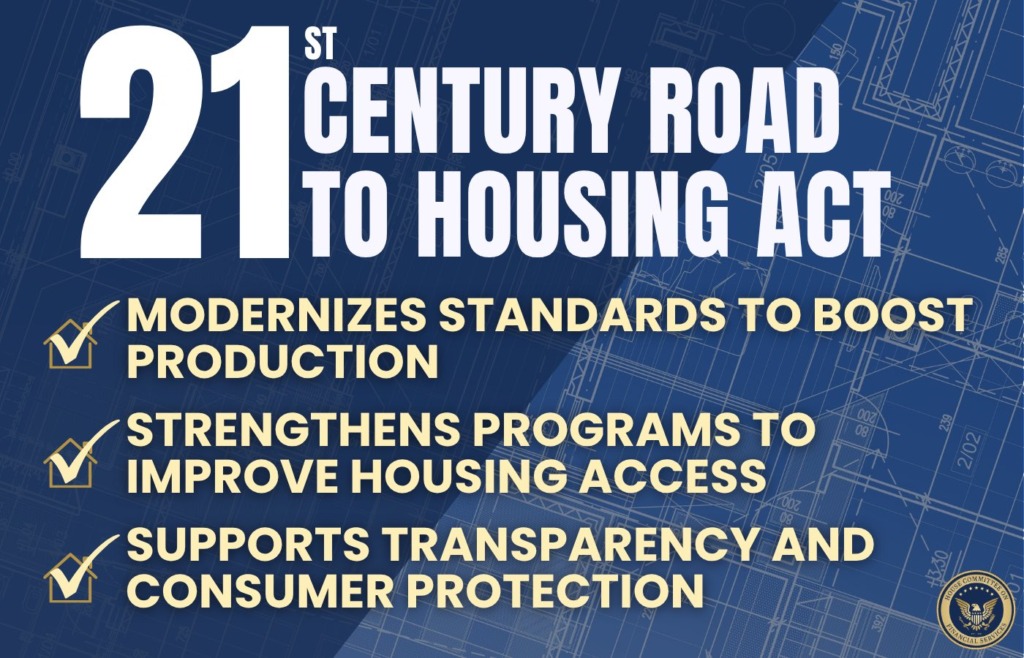
The House passed the amended 21st Century ROAD to Housing Act on Wednesday by a vote of 396-13, sending the bipartisan housing package back to the Senate for final consideration. The legislation includes major reforms to expand housing supply, modernize federal housing programs, reduce regulatory barriers, and removes the Senate bill’s unconstitutional forced-sale mandate targeting build-to-rent (BTR) housing. (Politico | The Hill, May 20)

State of Play
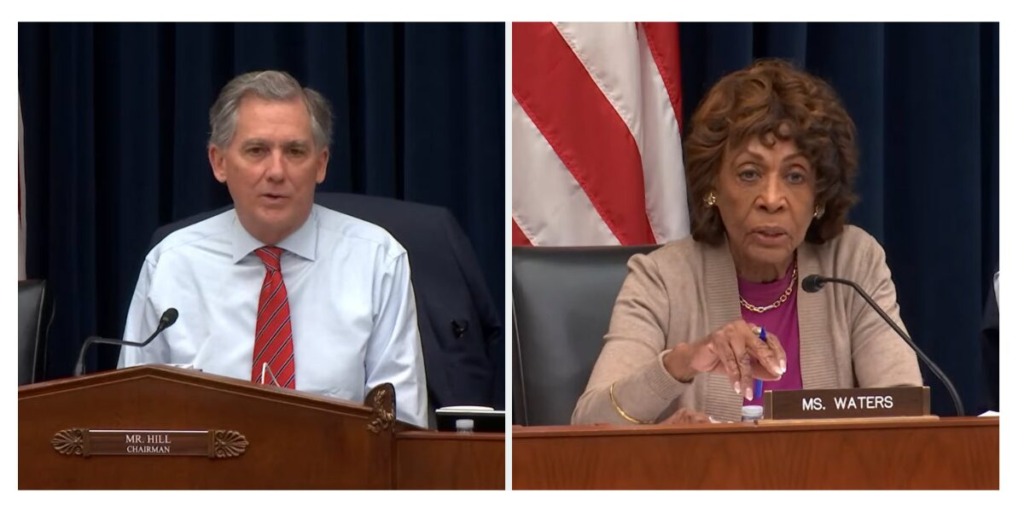
  • House Financial Services Committee Chairman French Hill (R-AR) and Ranking Member Maxine Waters (D-CA) led months of bipartisan negotiations over the landmark housing package, navigating extensive back-and-forth among the White House, House leadership, and the Senate. (View Bill Text |  One-Pager | Section-by-Section ) 
  • The White House indicated it will back the House version of the bill, as the legislation moves to the Senate for final approval. (White House SAP, May 20 | CNBC)
  • The House-passed version amends the Senate-approved legislation, addressing concerns raised by House members and industry stakeholders, while preserving core reforms to streamline housing development, improve affordability, encourage new construction, update outdated HUD programs, restore critical community banking provisions, and eliminate burdensome regulatory barriers. (House Financial Services Committee Press Release, May 20)
  • Chairman Hill said, “Today, we proved Washington still works. After months of bipartisan, bicameral negotiations—and with the partnership of the Trump Administration—the House delivered to make housing more accessible and affordable for American families.”(House Financial Services Committee Press Release, May 20)
  • Ranking Member Waters added, “I am beyond proud of this legislation and the benefits it will bring to all of our cities, counties and states. The Senate must meet this moment with the same urgency and determination and quickly pass this bill.” (Rep. Waters Press Release, May 21)
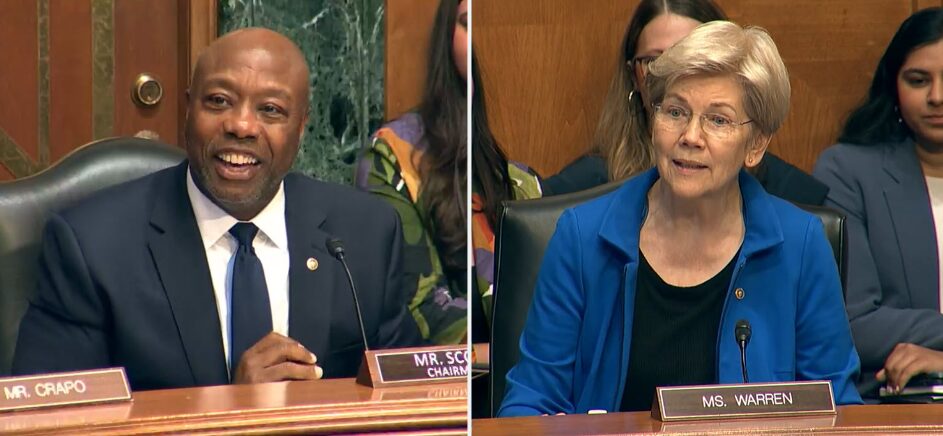
  • In a joint statement before the House vote, Senate Banking Committee Chairman Tim Scott (R-SC) and Sen. Elizabeth Warren (D-MA) said there is “still work to be done” on a final bill. (Senate Banking Committee Press Release, May 20)
  • Chairman Hill urged Senate negotiators to support the amended House bill, calling it “the best landing spot for the two chambers” and saying it reflects both chambers’ priorities and their shared commitment to a “bicameral bipartisan housing bill.” (Watch–Fox News | Roll Call, May 21)

What’s In the Bill

  • The House-passed bill preserves the core housing supply and affordability provisions in the Senate package, including reforms to streamline environmental reviews, reduce barriers to new construction, modernize HUD programs, support manufactured housing, and encourage local zoning and land-use reforms. (Bipartisan Policy Center, May 20)
  • The most significant change is the removal of the Senate’s unconstitutional seven-year forced-sale mandate for BTR housing, which would have required certain owners to sell newly built single-family rental homes after seven years. (Axios, May 21)
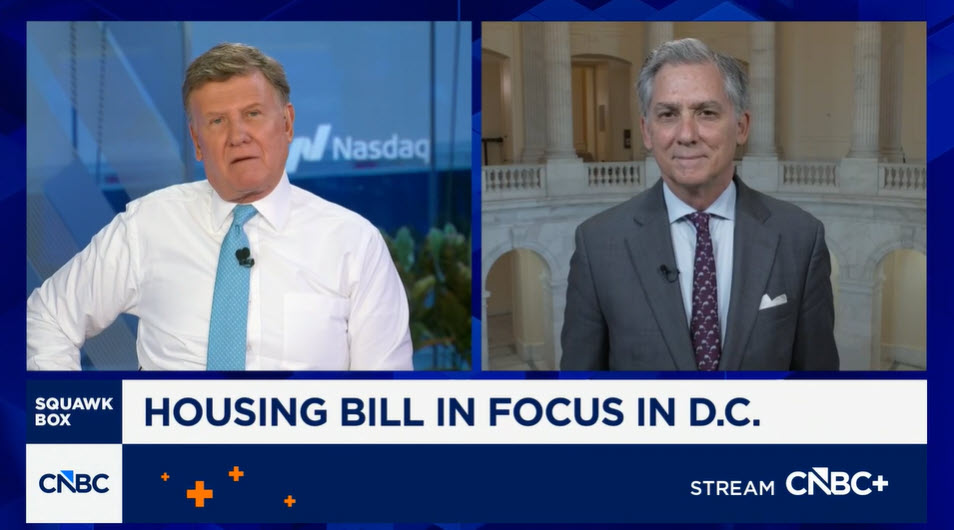
  • Both Chairman Hill and Ranking Member Waters raised concerns about the provision's constitutionality this week during their floor statements and an appearance on CNBC’s Squawkbox. (SquawkBox, May 19 | Roll Call, May 21 | Rep. Waters Floor Statement, May 19)
  • The bill still limits large institutional investors—defined as entities controlling at least 350 single-family homes—from buying additional single-family homes. However, it includes exceptions for BTR homes, newly constructed or renovated homes, rental conversions, and homes sold by another large institutional investor that already owned the property or acquired it in compliance with the bill. (Bisnow, May 20)
  • The bill also restores critical community banking provisions and includes measures to expand community lending, support transit-oriented development, improve federal tools for renters and homeowners, and convert abandoned buildings into housing.
  • Key provisions include:
  • Manufactured housing reforms to eliminate the outdated 1974 “permanent chassis” requirement for manufactured homes, which supporters estimate could reduce production costs by thousands of dollars per unit.
  • Zoning incentives to provide grants to local governments that adopt “pattern books” of pre-approved housing designs to speed up construction.
  • Permitting and development reforms to reduce delays, streamline environmental reviews, and lower barriers to new housing production.
  • Community lending and housing finance tools to support local development capacity, expand access to housing, and strengthen federal housing programs.

Roundtable Advocacy

  • The Real Estate Roundtable (RER) strongly endorsed the House amendment, which advances several housing supply and affordability reforms RER has long championed. (RER Statement | May 20)
  • “The latest amendment is focused where it should be — on increasing housing supply,” said RER President and CEO Jeffrey D. DeBoer. “Its sections to boost manufactured housing; help support renters interested in home ownership; build more homes in Opportunity Zones; streamline excessive environmental reviews that delay residential construction; encourage transit-oriented development; and promote much-needed land-use and zoning reforms, among other provisions, all add up to a comprehensive and robust package of smart housing policy.” (RER Statement | May 20)
  • Over the last several months, RER has led efforts to raise constitutional concerns about the Senate’s forced-sale mandate, including through a white paper by former U.S. Solicitor General Paul Clement, which characterized the provision as an unprecedented federal market intervention and outlined a “triple threat” to the U.S. Constitution. (RER’s One Pager, May 18 | RER Letter, May 12 | Roundtable Weekly, April 17)
  • More than 125 housing advocacy and industry groups supported the House amendment, urging lawmakers to advance legislation that would modernize outdated housing programs, reduce barriers to development, and increase flexibility for local communities. (Coalition Letter, May 18)
  • Following House passage, RER joined 10 other national housing organizations in commending House leadership for their work, while urging the Senate to swiftly pass the revised Act, calling it one of the most significant housing proposals in a generation. (Statement May 20)

What’s Next

  • The legislation now returns to the Senate, where lawmakers will determine whether to accept the House-passed package or pursue additional changes. With Congress out next week for recess, the earliest the Senate could take up the bill is June.
  • Sens. Scott and Warren have indicated they are not ready to accept the House-passed bill as-is and continue to push for the Senate-approved text. (Politico, May 21)
  • Neither Senate Majority Leader John Thune (R-SD) nor Senate Minority Leader Chuck Schumer (D-NY) has publicly indicated whether they will support the House-amended package. (Politico, May 21)

RER and its coalition partners will continue working with lawmakers as the housing bill moves back to the Senate to ensure the final package remains focused on increasing housing supply, improving affordability, protecting private property rights, and supporting the capital needed to build more homes nationwide

Housing Supply Push Gains Momentum with New Tax and Regulatory Proposals

Federal policymakers offered new measures aimed at boosting housing supply this week, including bipartisan tax legislation to encourage rental construction and new Department of Housing and Urban Development (HUD) recommendations to reduce state and local regulatory barriers to homebuilding.

Rental Housing Investment Act

  • Reps. Claudia Tenney (R-NY), Linda Sánchez (D-CA), Darin LaHood (R-IL), and Jimmy Panetta (D-CA) introduced the Rental Housing Investment Act, bipartisan legislation to increase the supply of long-term rental housing by modernizing the tax code and incentivizing new construction. (Press Release, May 21)
  • The bill would allow builders to immediately deduct up to $150,000 per rental unit in construction costs for qualifying long-term residential rental housing developments, with an increased deduction of up to $250,000 per unit for qualifying affordable housing projects.
  • The legislation includes safeguards to ensure properties remain in long-term rental use and would apply to newly constructed housing placed in service after enactment.
  • “This bipartisan legislation takes a practical, market-driven approach to expanding housing supply, reducing development costs, and helping make housing more affordable for hardworking Americans,” said Rep. Tenney. (Press Release, May 21)
  • The bill’s bipartisan co-sponsors emphasized that high construction costs and limited rental supply are driving affordability challenges in communities across the country.
  •  A similar bill was previously introduced in the Senate by Sen. Lisa Blunt Rochester (D-DE). A Tax Policy Advisory Committee (TPAC) panel will discuss the bill and other housing tax incentives at The Real Estate Roundtable’s Annual Meeting in June.

HUD Regulatory Best Practices

  • HUD Secretary Scott Turner said the agency is encouraging state and local partners to review their regulations and policies to “lower the cost to build and enable more efficient housing supply growth.”
  • HUD noted that regulatory costs account for more than $100,000 of the final price of a new single-family home, while certain state and local green energy mandates can add up to $30,000 to construction costs. (HousingWire, May 20)

Housing Momentum

  • The housing debate was also front and center at an Axios event this week, where lawmakers highlighted growing bipartisan momentum around supply-side reforms, deregulation, zoning flexibility, and alternative construction methods. (Watch, May 20)
  • Rep. Ritchie Torres (D-NY) said “housing is having a moment in Washington, D.C.,” while Rep. Mike Flood (R-NE) emphasized that housing supply is also an economic development issue tied to workforce shortages and regional growth. (Axios, May 21)

These new legislative and regulatory actions reflect growing bipartisan attention to the core drivers of housing affordability: supply shortages, high construction costs, land-use barriers, lengthy permitting timelines, and financing constraints. RER will continue working with policymakers to advance supply-side reforms that encourage private capital, reduce construction barriers, and expand housing supply nationwide.

Congress, Agencies Focus on Infrastructure and Federal Assets

Federal infrastructure policy was active on multiple fronts this week, as House policymakers advanced a major transportation package and the General Services Administration (GSA) led a multi-agency appeal for stronger funding authority to maintain the federal real estate portfolio.

Infrastructure

  • The House Transportation and Infrastructure Committee this week advanced the $580 billion BUILD America 250 Act by a 62-2 vote, marking an early step in the surface transportation reauthorization process ahead of the current law’s Sept. 30 expiration. (PoliticoPro, May 22)
  • The Senate is working on its own transportation bill, and Congress may need to extend current transportation programs beyond Sept. 30. (PoliticoPro, May 22)
  • House Natural Resources Chair Bruce Westerman (R-AR) praised the bill’s permitting provisions and said he hopes they will complement a broader permitting reform package he is negotiating with Democrats. (PoliticoPro, May 22)

Federal Real Estate Portfolio

  • GSA and 22 Cabinet departments and federal agencies urged congressional leaders this week to provide full access to the Federal Buildings Fund to support the preservation, repair, and management of the federal real estate portfolio. (GSA Press Release, May 21)
  • The agency also requested authority to raise its funding threshold from $3.96 million to $75 million, which it said would help strengthen its ability to manage federal real estate assets. (Letter, May 21)
  • GSA Administrator Edward C. Forst called the request “an overwhelming show of support” for giving the agency the resources needed to deliver results. (GSA Press Release, May 21)

Last week, President and CEO Jeffrey D. DeBoer joined Administrator Forst and JBG SMITH Chairman and CEO Matt Kelly in a Washington Times op-ed urging Congress to address the chronic underinvestment in the federal government’s real estate portfolio as the nation approaches its 250th anniversary. (Washington Times, May 13 | Roundtable Weekly, May 15)
Sentiment Index Shows Market in Holding Pattern as Capital Conditions Improve but Transactions Lag

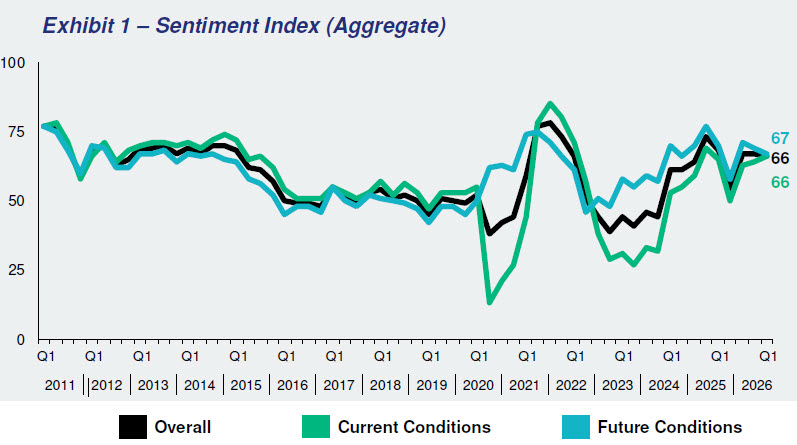
The Real Estate Roundtable (RER) this week released its Q2 2026 Sentiment Index, which registered an overall score of 63, down three points from the previous quarter. The survey shows a CRE market with improving capital conditions and steady fundamentals, but one still constrained by limited transaction activity, pricing uncertainty, and uneven momentum across sectors. (Full Q2 Report)

CRE Market Conditions

  • The Current Index registered 61, down five points from Q1 2026, while the Future Index posted a score of 64, down three points from the previous quarter. (RER News Release, May 22)
  • Compared to one year ago, sentiment has improved: current conditions are up 11 points, future conditions are up six points, and overall conditions are up nine points. (Full Q2 Report)

Topline Findings

  • The Q2 Sentiment Index's results reflect a market caught in stalemate, where capital is abundant, debt is open, and fundamentals are holding, yet transactions remain stuck behind a wide bid-ask spread. Sellers are refinancing rather than listing, geopolitical shocks have delayed an otherwise visible recovery, and a K-shaped dynamic is widening the gap between well-capitalized players and those running short on equity. The mood is patient, not pessimistic: a ‘decaffeinated’ recovery that participants believe will accelerate once pricing clarity returns.
  • Beneath the headline numbers, performance is increasingly defined by where firms are and what they own. Top-quartile markets and assets are pulling decisively away from the rest, with industrial, lodging, data centers, and high-quality retail running hot, while multifamily continues to absorb its supply overhang, and office remains sharply bifurcated between trophy assets and everything else. Across every sector, AI is emerging as both a demand driver and an operational force multiplier, reshaping where capital flows and how participants underwrite the next cycle.
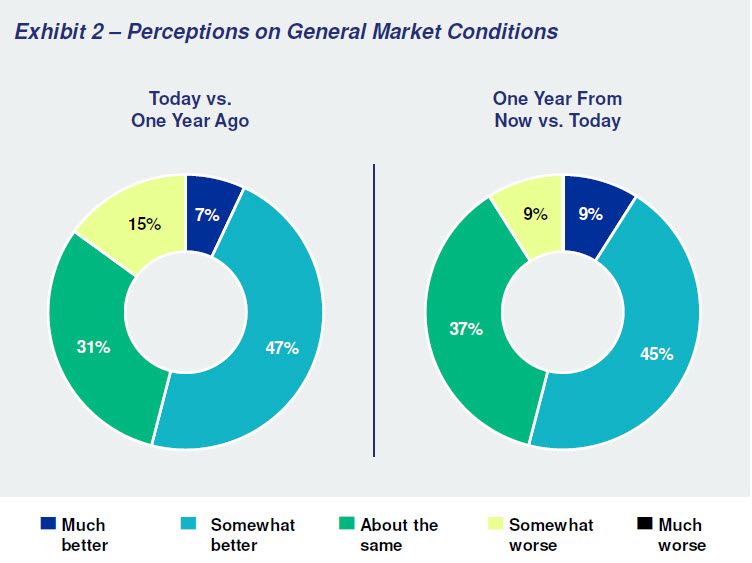
  • A majority (53%) of respondents believe asset values are relatively unchanged compared to a year ago, while 32% feel they are higher and 15% think values have declined. Looking ahead, the outlook is overall optimistic: 54% expect asset prices to rise over the next year, 37% believe asset values will remain stable, and only 9% anticipate that values will decrease.
  • Perceptions on equity capital are split, with 24% believing availability is worse compared to a year ago, 33% thinking it is better, and 43% feeling it is the same. On the other hand, sentiment around debt capital is positive, as 69% said the availability of debt capital has improved from last year. Looking forward, 51% of respondents believe that equity capital availability will be better in one year, and 31% believe debt capital availability will be better.

Roundtable View

  • “Commercial real estate is on stronger footing than it was a year ago, but the recovery is still uneven,” said Jeffrey DeBoer, President and CEO of The Real Estate Roundtable. “Debt is available, values are stabilizing, and fundamentals are holding in many sectors. But transactions remain limited, equity capital is still cautious, and performance varies sharply by market and asset class.” (RER News Release, May 22)
  • “Now is the time for policies that encourage investment and capital formation—not new barriers that make it harder to build, finance, and modernize the real estate that supports housing, jobs, communities, and economic growth,” DeBoer added.

Data for the Q2 survey was gathered in April by Chicago-based Ferguson Partners on RER’s behalf.