What the Midterm Elections Mean for Commercial Real Estate
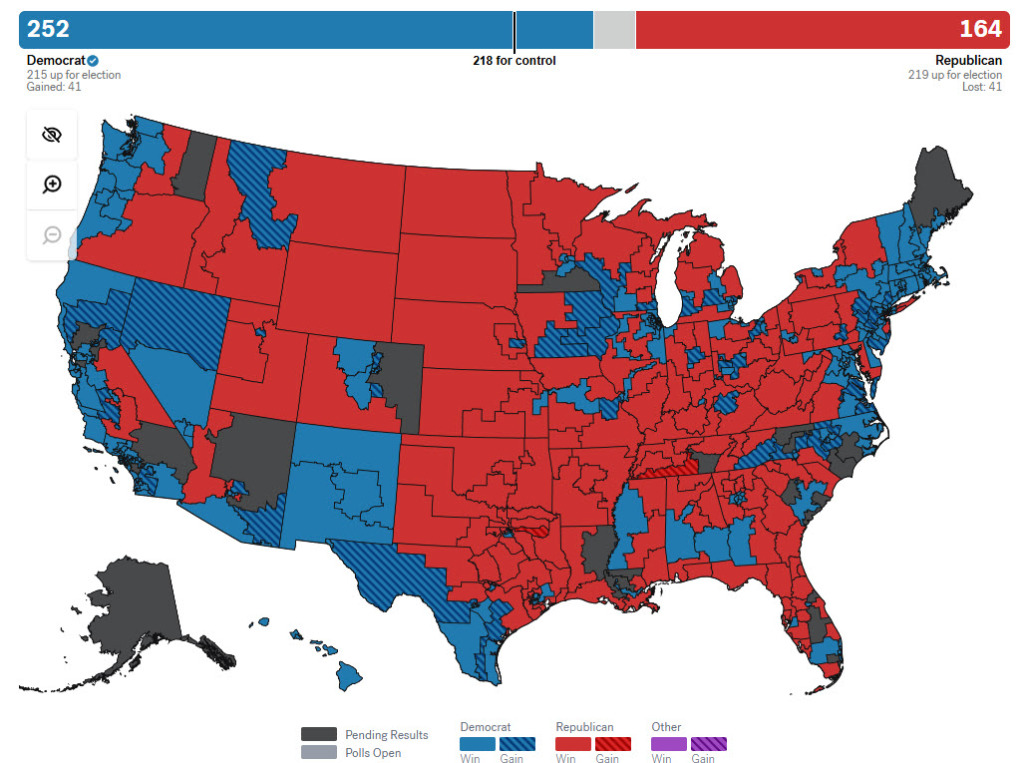
This week, Democrats won control of the House and Senate in Tuesday’s midterm elections. The shift in congressional leadership will put tax policy, housing affordability, and energy policy front and center for the 120th Congress. The first test comes Monday, when the Senate is expected to take a procedural vote on bipartisan permitting reform.
State of Play
Rep. Hakeem Jeffries (D-NY) is in line to become House speaker, and Sen. Chuck Schumer (D-NY) is expected to return as Senate majority leader.
Sen. Schumer called the results a “generational remake of the Senate majority” and told reporters the first thing he would do is “reduce people's costs and work the legislative process so it does.” (Commercial Observer, Nov. 5)
House Speaker Mike Johnson (R-LA) told Republican colleagues Wednesday that he would not seek a leadership post in the next Congress. House Majority Leader Steve Scalise (R-LA) and House Judiciary Committee Chair Jim Jordan (R-OH) are both running for minority leader. (Axios, Nov. 4)
Control of both chambers gives Democrats greater leverage over government funding and oversight, while President Trump’s veto power limits prospects for major policy reversals. (Cushman&Wakefield, Nov. 4)
“The Roundtable looks forward to working with lawmakers in both parties to continue policy work to expand housing supply, modernize permitting, and support long-term investment in communities across the country,” said Jeffrey D. DeBoer, President and CEO of The Real Estate Roundtable (RER).
Tax Policy
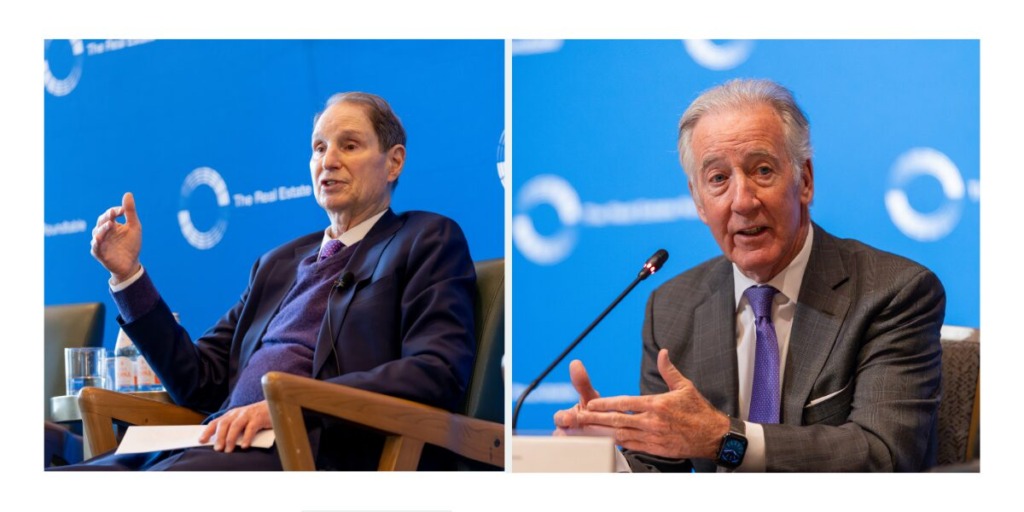
Sen. Ron Wyden (D-OR) and Rep. Richard Neal (D-MA) are expected to return as chairs of Senate Finance and House Ways and Means, respectively. (PoliticoPro, Nov. 4)
Both outlined their priorities this week, with Sen. Wyden announcing plans to raise taxes on the wealthiest households and corporations, reassert congressional authority over trade, and expand oversight. Rep. Neal emphasized affordability for working families and rebuilding relationships with U.S. trading partners. (The Hill, Nov. 5)
Sen. Wyden has previously released comprehensive proposals to tax unrealized gains, fundamentally reform the taxation of partnerships, and recharacterize all carried interest as ordinary income.
Rep. Neal is scheduled to speak at next week’s Fall Roundtable Meeting.
Issues to watch include housing supply incentives; partnership tax reform; tax increases on wealth, capital gains, and carried interest; potential new tax burdens on data centers and single-family rental homes; and retaliatory tax measures affecting foreign investment.
Energy Policy
Democrats are repositioning clean energy as one part of a broader focus on affordability and the economy. (Axios, Nov. 6)
Energy-related issues to watch: Sen. Wyden has said he plans to introduce legislation to restore clean energy tax credits. The broader debate could include efforts to restore Inflation Reduction Act incentives for clean electricity production and investment credits, building efficiency incentives, and credits for electric vehicles and charging equipment. (PoliticoPro, Nov. 3 | Axios, Nov. 6)
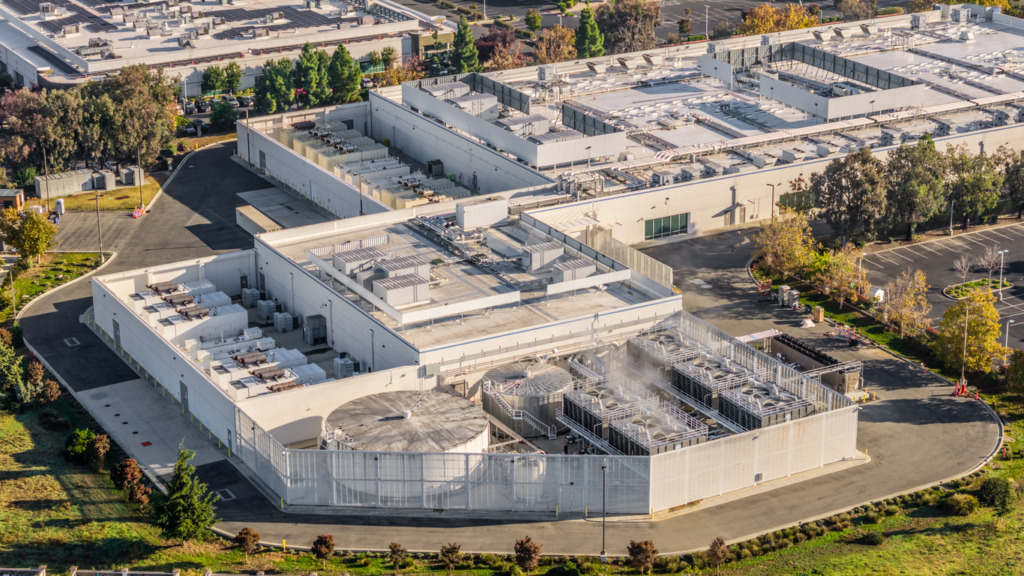
Data centers: Democrats are weighing stronger federal ratepayer protections, including proposals to require large facilities to pay for grid upgrades or secure their own power. (PoliticoPro, Nov. 5)
The bipartisan Ratepayer Protection Act (H.R. 9340), which passed the House 417–3 before stalling in the Senate, could serve as a starting point for stronger federal enforcement. Some Democrats also support temporary construction moratoriums. (PoliticoPro, Nov. 4)
Committee leadership: Reps. Jared Huffman (D-CA) and Frank Pallone (D-NJ) are expected to lead House Natural Resources and Energy and Commerce, respectively. Sen. Martin Heinrich (D-NM) is in line to chair Senate Energy and Natural Resources, and Sen. Jeff Merkley (D-OR) could lead Environment and Public Works. (PoliticoPro, Nov. 3)
Appropriations leadership: Sen. Patty Murray (D-WA) is in line to chair Senate Appropriations and could also lead its Energy and Water Development Subcommittee. Sen. Lisa Murkowski (R-AK) is expected to become the full committee’s top Republican and could hold the same role on the Interior and Environment Subcommittee. Those assignments would give both senators a central role in funding negotiations for federal energy and environmental programs. (Bloomberg, Nov. 4)
Permitting Reform
The Senate is scheduled to vote Monday, Nov. 9, on whether to advance the bipartisan American Affordability and Jobs Act of 2026 (S. 5653). The bill would revise federal environmental reviews and streamline permitting for energy and infrastructure projects, including electric transmission. It needs 60 votes to advance. (Axios | PoliticoPro, Nov. 6)
The election has complicated the bill’s path. Rep. Jeffries raised concerns through a spokesperson, saying that the bill needs more input from House Democrats. Rep. Huffman has called for waiting until the next Congress. Sen. Heinrich and Sen. Sheldon Whitehouse (D-RI) are pressing for action this year, and Senate negotiators have been working on an amendment to address House concerns. (Politico, Nov. 5 | Punchbowl News, Nov. 6)
The Trump administration said Friday that the Pentagon would advance nine new onshore wind projects that had been delayed by security reviews and are the subject of ongoing litigation. The move comes as the White House seeks support for bipartisan permitting reform ahead of the Senate’s Nov. 9 procedural vote. (Politico, Nov. 6)
Capital & Credit and Housing
Senate Banking: Sen. Elizabeth Warren (D-MA) is the leading contender to chair the committee in the next Congress. Both Senate Banking and House Financial Services are expected to step up oversight of financial institutions, consumer lending practices, and the administration’s approach to financial regulation. (Time | Reuters, Nov. 5)
House Financial Services: Rep. Maxine Waters (D-CA) formally launched her bid Friday to return as chair, a day after Rep. Sean Casten (D-IL) entered the race. Current Chair Rep. French Hill (R-AR) is expected to become the committee’s ranking member. On the Housing and Insurance Subcommittee, Rep. Emanuel Cleaver (D-MO) is seeking the chair, while Rep. Mike Flood (R-NE) is expected to serve as ranking member. (PoliticoPro, Nov. 5 | Reuters, Nov. 6)
Housing: Outlining her agenda, Rep. Waters called for expanding affordable housing programs, reforming mortgage finance, and passing legislation to “AI proof'” the financial system and economy. (Rep. Waters letter, Nov. 6)
As federal agencies implement the bipartisan 21st Century ROAD to Housing Act, lawmakers could consider follow-up legislation in the next Congress. (Commercial Observer, Nov. 5 | PoliticoPro, Nov. 6)
What’s Next
The Senate’s first order of business after the election is a Nov. 9 procedural vote that will test whether the bipartisan American Affordability and Jobs Act (S. 5653) can move before year-end. (Punchbowl News, Nov. 6)
If government funding or surface transportation legislation carries over into the new Congress, either could provide an opening for energy and climate measures. If the highway bill is not addressed in the lame duck, it will be the biggest transportation policy issue for Congress next year. (PoliticoPro, Nov. 3 | Punchbowl News, Nov. 4)
Tax Policy
Democrats Outline Tax Policy Agenda Following Midterm Elections
Following Democrats’ sweeping victories in the midterm elections, the lawmakers expected to lead Congress’ two tax-writing committees outlined their priorities for the next Congress, emphasizing affordability, corporate taxation, trade policy, and congressional oversight. (Politico | Sen. Wyden Press Release, Nov. 4)
State of Play
Senate Finance Committee: Sen. Ron Wyden (D-OR) is positioned to regain the chairmanship he held from 2014-2015 and 2021-2025. Sen. Wyden indicated he intends to focus the Finance Committee on raising taxes on billionaires and corporations, strengthening tax enforcement, reducing health care costs, and reasserting congressional authority over trade and tariffs. Wyden also signaled plans for expanded oversight of major corporations. (Sen. Wyden Press Release, Nov. 4 | The Hill, Nov. 5)
House Ways and Means Committee: Rep. Richard Neal (D-MA) in line to return as Chairman, outlined an affordability-focused agenda that includes reducing costs for families, addressing health care, strengthening federal programs, and developing a more sustainable trade policy. (Rep. Neal Statement, Nov. 4)
Democrats are expected to focus on affordability and high costs and will be looking for ways to use the tax code to address those areas while sharpening their message ahead of the 2028 campaign, which will also likely lead to further focus on raising additional tax revenue from upper-income taxpayers. (PoliticoPro, Nov. 6)
Opportunity Zones
On Nov. 5, the Treasury Department and IRS announced the designation of 6,576 Qualified Opportunity Zones, including 2,594 rural census tracts, under the newly permanent Opportunity Zone program. The designations take effect Jan. 1, 2027, and will remain in place for 10 years. (Treasury Press Release, Nov. 5)
The new map is significantly smaller than the opportunity zone 1.0 map, which had 8,764 QOZs. (Bisnow, Nov. 5)
The updated program establishes a permanent framework for OZs, with new designations every 10 years, tighter eligibility criteria, and enhanced incentives for rural investment.
Since its creation in 2017, the program has attracted more than $110 billion in private investment to designated communities. (Treasury Press Release, Nov. 5)
“Today’s announcement of the new designations will help direct private investment to these communities, expand economic opportunity, support job creation, and unlock long-term growth in these communities across the country,” Treasury Sec. Scott Bessent said in a statement. (Bisnow, Nov. 5)
RER advocacy: RER’s Opportunity Zone Working Group met with Treasury and IRS officials in August and has emphasized the need for clear transition rules to ensure existing projects can continue under the permanent program. (Roundtable Weekly, Sept. 25)
Data Center Legislation
On Oct. 23, Sen. Wyden released draft legislation that would impose a new federal excise tax on data center services and restrict several existing tax incentives for data center investment. (Sen. Wyden Press Release | Roll Call | Politico, Oct. 23)
The legislation builds on Sen. Wyden’s August framework. It would eliminate 100% bonus depreciation for data center assets, restrict Opportunity Zone benefits, prevent certain privately held real estate investment trusts (REITs) from treating newly acquired data center rents as qualifying income, and exclude data center equipment and construction costs from research tax credits. (Grant Thornton, Nov. 3 | Roundtable Weekly, Aug. 7)
With Sen. Wyden positioned to chair the Senate Finance Committee, the proposal could receive greater attention in the next Congress as lawmakers from both parties examine data center tax incentives and their impact on energy costs and communities. (Roundtable Weekly, Oct. 23 | Roundtable Weekly, Sept. 25)
Roundtable on the Road
This week, RER Senior Vice President and Counsel Ryan McCormick addressed the American Society of Cost Segregation Professionals Annual Meeting in Tampa, Florida, discussing the outlook for real estate tax policy following the midterm elections.
His presentation covered implementation of recent tax legislation, opportunities to support housing development and downtown revitalization, and proposals that could significantly change the tax treatment of real estate assets and investment.


 Menu
Close
 About Us