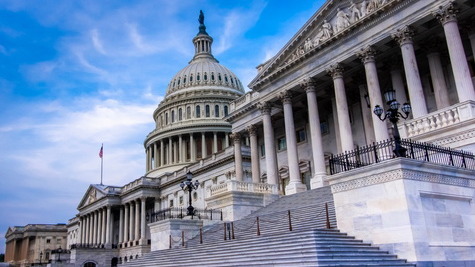
The Senate bill (S.4395) follows bipartisan action in the House (H.R. 7128) earlier this year and adds momentum to efforts to reauthorize TRIA well ahead of its scheduled expiration on Dec. 31, 2027. (Legis1, April 29)
Terrorism Risk Insurance Program Reauthorization Act of 2026 (TRIA)
Sens. Dave McCormick (R-PA), Tina Smith (D-MN), Thom Tillis (R-NC), and Ruben Gallego (D-AZ) introduced the bill on April 27 in the Senate Banking, Housing, and Urban Affairs Committee. (Sen. McCormick Press Release, April 27)
“Since 9/11, The Roundtable has worked to ensure businesses can secure the terrorism risk coverage needed to finance projects, protect jobs, and support economic growth. We commend bipartisan leaders in the House and Senate for advancing TRIA reauthorization well ahead of its expiration. This program remains vital to commercial real estate and the broader economy, and we look forward to working with Congress to pass a long-term extension,” said Jeffrey D. DeBoer, President and CEO of The Real Estate Roundtable (RER).
More than 20 bipartisan cosponsors joined the bill, including Senate Banking Committee Chairman Tim Scott (R-SC) and Senate Democratic Leader Chuck Schumer (D-NY), who led prior TRIA reauthorization efforts while serving on the Banking Committee. (Full bill text)
“Reauthorizing the Terrorism Risk Insurance Program is essential to ensuring businesses have the certainty they need to operate and invest with confidence,” said Sen.Tillis (R-NC). “This longstanding public-private partnership has helped safeguard our economy for more than two decades, and extending it will prevent disruption while ensuring we remain prepared for evolving threats.” (Press Release, April 27)
Roundtable Advocacy
Since 9/11, RER has been at the forefront of efforts to secure terrorism risk coverage for American businesses. (Roundtable Weekly, Sept. 19)
In September 2025 and January 2026, CIAT submitted letters to the House Financial Services Committee (HFSC) urging lawmakers to act well before TRIA’s scheduled expiration. The coalition warned that allowing the program to lapse would trigger “a period of profound economic slowdown, posing a very real threat to our economic and homeland security.” (Letter, Jan. 21, 2026 | Letter, Sept. 15, 2025)
A RER survey cited in the letter found that more than $15 billion in property transactions stalled or were canceled in the 14 months between 9/11 and TRIA’s passage, underscoring the economic damage caused by the absence of terrorism insurance.
TRIA was originally enacted in 2002, following the 9/11 attacks. The program has been reauthorized four times—in 2005, 2007, 2015, and 2019—and is currently set to expire on Dec. 31, 2027.
While TRIA has never been triggered, it has provided a crucial backstop against losses from terrorist attacks for nearly two decades.
At almost no cost to the taxpayer, the TRIA Program has been the key factor in ensuring that the private insurance market has remained intact and continues to meet the needs of commercial policyholders amid the ongoing threat of future terrorist attacks—all while minimizing federal taxpayer exposure.
What’s Next
Earlier this year, the HFSC approved the House’s TRIA reauthorization bill (H.R. 7128), sponsored by Reps. Mike Flood (R-NE) and Andrew Garbarino (R-NY). (Roundtable Weekly, Jan. 23)
The House bill would extend TRIA through 2034 and raise the program trigger from $5 million to $10 million beginning in 2029.
The House bill is expected to come up for a vote on the suspension calendar in the weeks ahead, as lawmakers work to reconcile minimal differences between the House and Senate versions and move the legislation toward final passage.
RER and its CIAT coalition will continue working with policymakers to secure a long-term TRIA reauthorization ahead of 2027.

Housing
Housing Coalition Urges Congress to Fix BTR Provision in Senate Bill
The Real Estate Roundtable (RER) and a broad housing coalition continue to urge members of Congress to fix the Senate-passed 21st Century ROAD to Housing Act by removing language that would undermine build-to-rent (BTR) housing construction and weaken the bill’s goal of expanding housing supply. (Letter, April 30)
Coalition Letter
The coalition warned that despite repeated concerns from academics, economists, and rental housing leaders, Section 901 of the Senate bill includes language that would decimate BTR construction and communities at a time when the country needs more housing options—not fewer.
The letter statesthat the unconstitutional seven-year disposition requirement would effectively shut down new BTR development, unnecessarily scope in existing rental communities—including LIHTC properties—and increase housing costs for Americans. (Roundtable Weekly, April 17 | RER White Paper)
The groups called on Congress to remove Section 901, pass a pro-supply housing package, and allow BTR developers and workers to get back to building the new rental homes the country urgently needs. (Letter, April 30)
State of Play
President Trump wants to see progress on stalled housing legislation, according to Rep. Zach Nunn (R-IA), a member of the House Financial Services Committee, who spoke with the president at a White House event this week. “He wants the legislation moving forward,” Nunn said. (PoliticoPro, April 30)
After weeks of limited public engagement on the stalled housing bill, the White House is calling for more congressional action. Spokesperson Davis Ingle said President Trump “calls on Congress to pass further legislation” building on recent executive orders aimed at housing affordability. (PoliticoPro, April 30)
The House passed its housing package in February, followed by Senate passage of the 21st Century ROAD to Housing Act in March. Senate Banking leaders have urged the House to take up the Senate bill, while House Financial Services Committee leaders French Hill (R-AR) and Maxine Waters (D-CA) continue working on revisions.
A bipartisan House proposal could come to the floor as early as May, as lawmakers continue negotiating concerns over the Senate bill’s institutional investor restrictions and seven-year forced-sale requirement.
Market Impact
Recent reporting cited by the coalition letter shows the Senate language is already chilling BTR development, financing, and construction activity in markets across the country—despite the bill not yet being law. (CATO, April 29)
The Wall Street Journal reported that at least $3.4 billion in BTR investment, representing approximately 10,000 housing units, has already been frozen. (WSJ, April 27)
The Business Journals reported that capital is “on the sidelines” as investors wait for Congress to resolve the issue, with Adrianne Todman, former acting HUD secretary and current CEO of the National Rental Home Council, warning that the bill has already created a “chilling effect.” (The Business Journals, April 27)
Roundtable & Industry Advocacy
RER and broad housing coalitions have consistently emphasized that housing affordability is driven by supply shortages, construction costs, and mortgage rates—not institutional ownership levels—and that restricting institutional capital would only make it harder to meet the nation’s growing housing needs. (Roundtable Weekly, Jan. 9 | Jan. 16 | Jan. 23 | Feb. 27| March 6 | March 13 | March 20 | March 27 | April 3 | April 10 | April 17 | April 24)
Last month, RER shared with members of Congress a white paper by Paul Clement of Clement & Murphy, PLLC, arguing that Section 901’s forced-sale requirement raises serious constitutional concerns under the Takings Clause, and also raises equal protection and federalism concerns. (Roundtable Weekly, April 17)
Workforce Training Legislation
USen. Todd Young (R-IN) and U.S. Rep. Nathaniel Moran (R-TX) introduced the Workforce Apprenticeship Growth and Education Support (WAGES) Act this week, legislation aimed at strengthening career pathways into the trades and helping address persistent construction labor shortages. (Press Release, April 30)
The bill would create a refundable payroll tax credit for employers that maintain or participate in a Registered Apprenticeship Program (RAP), helping offset wages paid to apprentices and mentors, as well as other program costs. (Bill Summary | Text)
“The Real Estate Roundtable (RER) commends Senator Young and Representative Moran for introducing the Workforce Apprenticeship Growth and Education Support Act,” said Jeffrey D. DeBoer, President and CEO, RER. “By promoting apprenticeships nationwide, this bill would help address today’s shortage of well-paid, highly skilled construction and job site workers. A greater career workforce educated on the innovations rapidly occurring in construction technology and practices would significantly increase productivity, help build modern housing, meet evolving business needs, and grow the economy.” (Statements of support, April 30)
At RER’s Spring Roundtable Meeting last week, policymakers and industry leaders emphasized the need to strengthen the workforce pipeline—an essential part of building more housing, increasing productivity, and preparing the next generation for good-paying jobs. (Roundtable Weekly, April 24)
RER will continue working with policymakers and housing coalitions to ensure the final housing package expands supply, supports construction, strengthens the workforce, and avoids provisions that would reduce rental housing production at a time of severe national housing need.
The Fed
Fed Holds Rates Steady as Officials Split on Path Ahead
The Federal Reserve held its benchmark interest rate steady this week at a range of 3.50% to 3.75% for the third consecutive meeting, citing solid economic activity, low job gains, elevated inflation, and heightened uncertainty tied to developments in the Middle East. (FOMC Press Release, April 29)
The Fed’s Decision
The Federal Open Market Committee’s 8-4 vote exposed growing divisions within the central bank, with four dissents—the most at a Fed policy meeting since 1992. (Axios, April 29)
Governor Stephen Miran favored a 25-basis-point rate cut, while Cleveland Fed President Beth Hammack, Minneapolis Fed President Neel Kashkari, and Dallas Fed President Lorie Logan supported holding rates steady but objected to language they viewed as suggesting an easing bias.
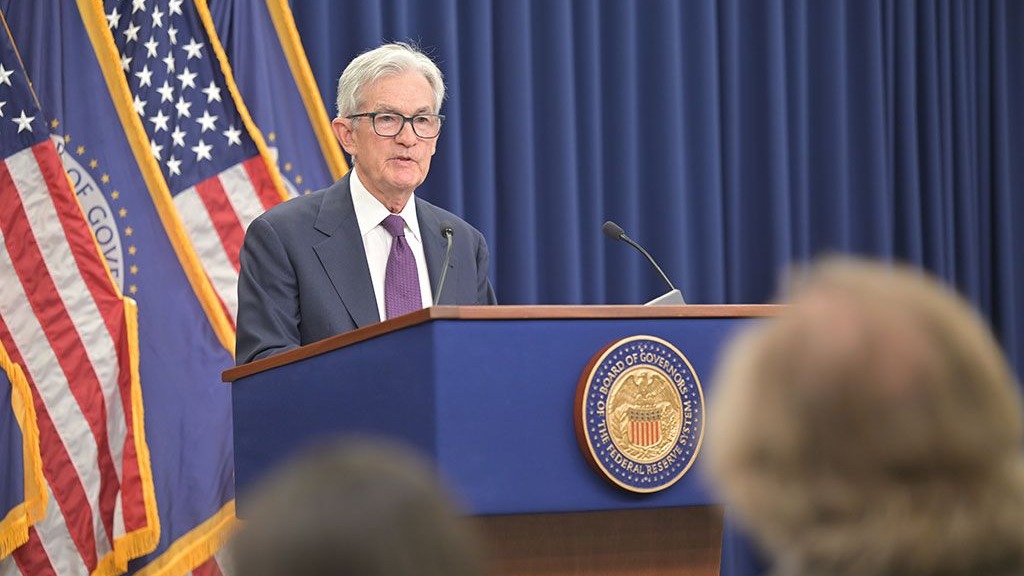
Fed Chair Jerome Powell said there is “no rush” to signal the Fed’s next move as officials assess how the Iran war and higher energy prices affect inflation and growth. Developments over the next “30, 60 days,” he told reporters, could change the outlook before the Fed’s next meeting. (FOMC Press Release, April 29)
The split reflects a central tension facing the Fed: whether inflation risks warrant a more cautious posture—or whether slowing economic momentum strengthens the case for lower rates later this year. (Axios, April 30)
Why It Matters
For commercial real estate, the Fed’s cautious stance and internal divide add uncertainty around the timing of future rate cuts, keeping borrowing costs elevated and weighing on refinancing, transaction activity, asset valuations, and capital deployment.
What to Watch
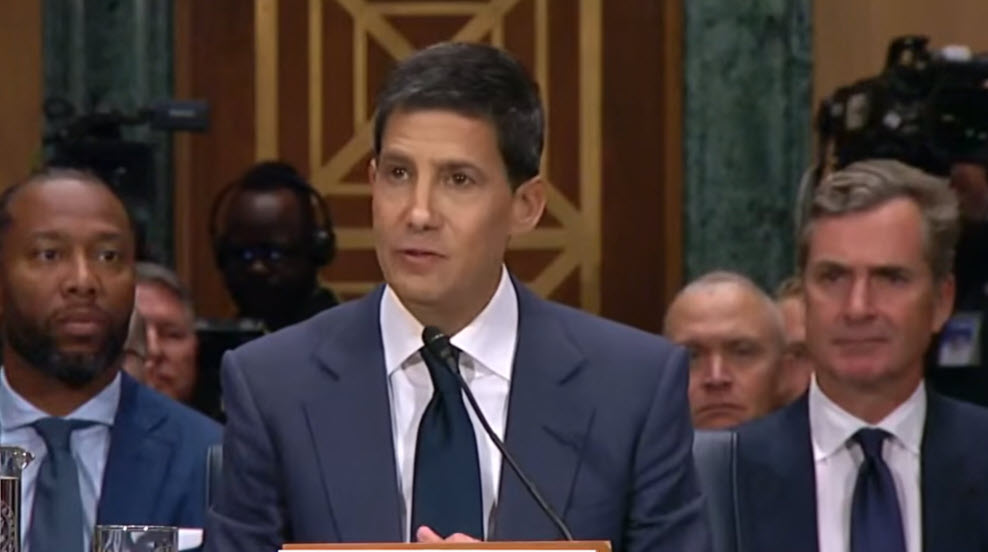
The Senate Banking Committee advanced Kevin Warsh’s nomination to chair the Federal Reserve Board on Wednesday, putting him on track for possible Senate confirmation before the Fed’s next policy meeting in June. (PoliticoPro, April 29)
Chair Powell said that after his term as chair ends on May 15, he plans to continue serving as a Fed governor “for a period of time to be determined.” His Board term runs through 2028. (Barrons, April 30)
RER will continue to track monetary policy developments and engage policymakers on the need for stable capital markets, access to credit, and policy solutions that support long-term economic growth and real estate investment.