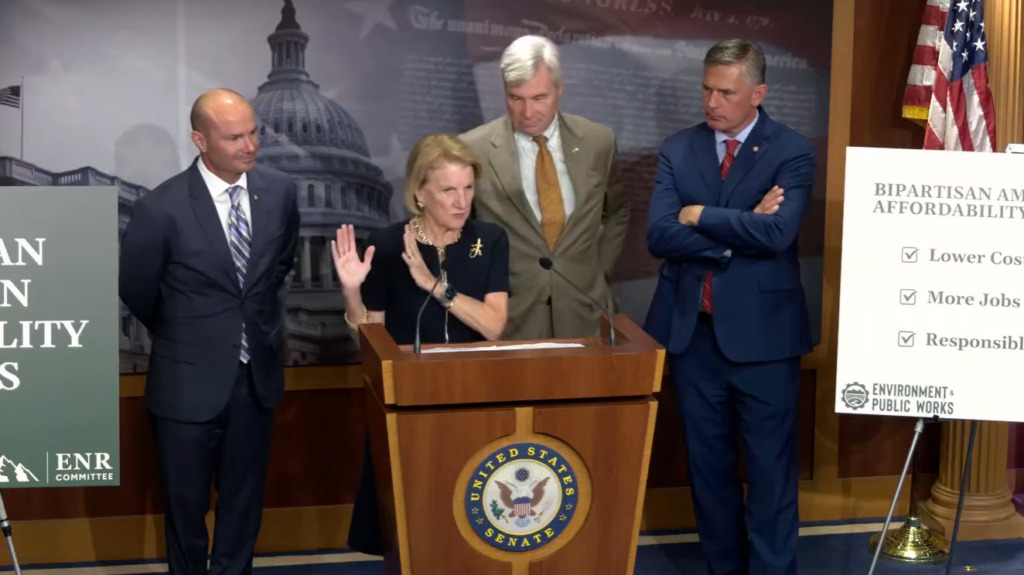
The Senate passed sweeping bipartisan permitting reform legislation Thursday night in a 62–33 vote, sending the measure to the House as lawmakers face a narrowing window to reach a deal before the end of the 119th Congress. The Bipartisan American Affordability and Jobs (BAAJA) Act (S. 5653) would streamline federal reviews for energy and infrastructure projects, expand electricity transmission capacity, and address rising power costs. (Roll Call | NYT, Nov. 19)
State of Play
The Senate approved the legislation with support from 47 Republicans, 14 Democrats, and independent Sen. Angus King (I-ME). The bill is the most significant energy legislation to pass the Senate since the Inflation Reduction Act in 2022. (Politico, Nov. 19)
Bipartisan support: Backed by President Trump and a broad coalition of energy and business groups, the legislation marks a significant step toward permitting reform after years of negotiations. (American Action Forum | Politico Pro, Nov. 19)
Permitting reform: The legislation would streamline federal environmental reviews, accelerate approvals for energy and transmission projects, and limit legal challenges. The reforms aim to expand electricity supply and lower costs as growing demand from data centers, AI, and manufacturing strains the nation's electric grid. (Axios | Washington Post, Nov. 19 | Roundtable Weekly, Nov. 13)
Data Centers
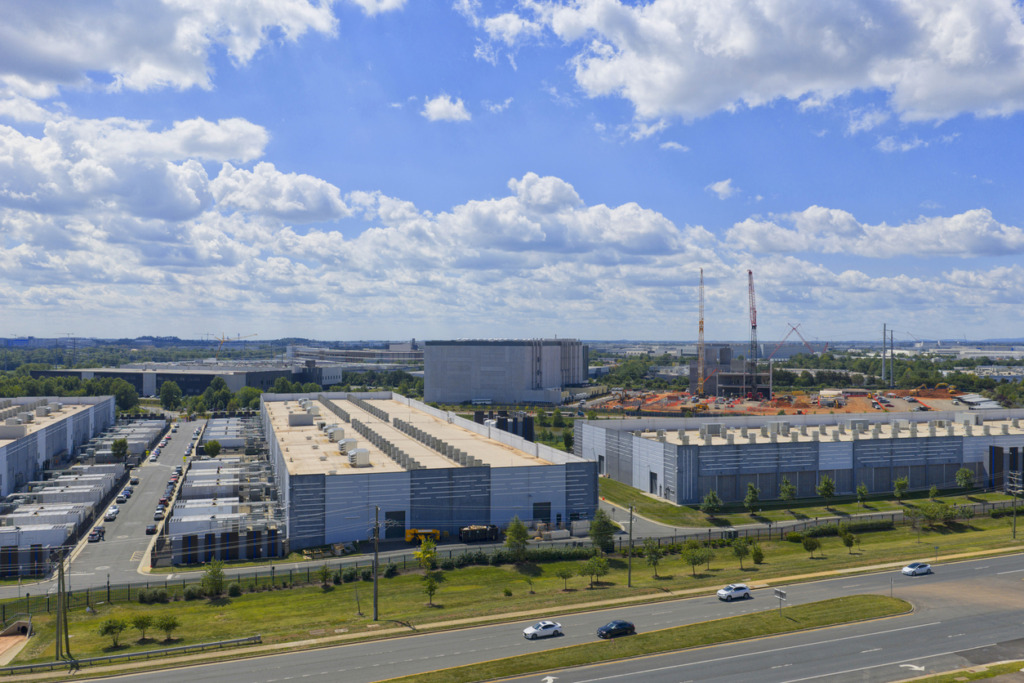
The Senate-passed bill would establish protections intended to ensure data centers pay both their share of existing grid costs and the additional infrastructure costs associated with their electricity demand, preventing those expenses from being shifted to other ratepayers.
The measure would direct the Federal Energy Regulatory Commission (FERC) to implement the requirements through a subsequent rulemaking. (Bipartisan Policy Center, Nov. 3 | Washington Post, Nov. 19)
The Senate proposal goes further than the House-passed Ratepayer Protection Act (H.R.9340), which directs states and utility regulators to merely consider additional protections for electricity customers rather than establish mandatory federal requirements.
Distributed Energy at Buildings
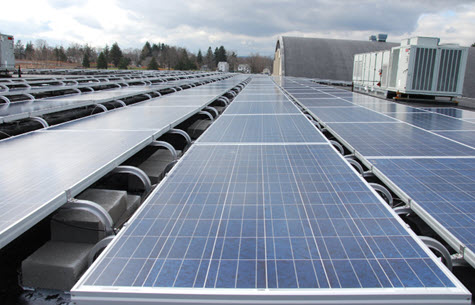
One provision in BAJAA of particular interest to real estate concerns “behind the meter” equipment at buildings like rooftop solar, batteries, and back-up generators.
Section 2108 would require bundling of these distributed generation resources to operate as “virtual power plants,” giving electricity back to stressed grids during times of peak demand. (Foley Hoag, Nov. 6 | Bipartisan Policy Center, Oct. 2)
If enacted, Section 2108 could provide a federal policy lever to help standardize regional efforts for data centers to “bring their own capacity” when applying for interconnections – like the policy instituted by the nation’s largest grid operator. (PJM Interconnection, Aug. 13).
The provision could also spark more deals like one recently struck by Google. The hyperscaler will pay an energy company to aggregate distributed resources from residential, commercial, and industrial customers in a 100-MW virtual power plant agreement – as a fast way to unlock new capacity for data center interconnections while benefitting ratepayers financially. (Utility Dive, Oct. 22)
RER Advocacy
The Real Estate Roundtable(RER) has consistently supported bipartisan permitting reform to strengthen grid reliability, lower energy costs, and accelerate infrastructure investment. Duplicative federal reviews delay the delivery of affordable, reliable electricity to homes and commercial buildings. (RER Executive Summary | Energy Policy Priorities, Fall 2026 | Roundtable Weekly, Oct. 23)
The Senate’s bipartisan action is an important step toward removing barriers that delay critical infrastructure projects and drive up costs,” said Jeffrey DeBoer (President and CEO, RER). “We urge the House to build on this progress and advance practical permitting reforms that strengthen grid reliability, support investment, and help meet the nation’s growing energy needs.”
In September comments to the North American Electric Reliability Corporation (NERC), RER also emphasized that regulatory obligations should reflect the distinct responsibilities of building owners, operators, and tenants, particularly when tenants control the equipment and electricity consumption driving those costs. (RER Policy Priorities | Roundtable Weekly, Sept. 18)
What's Next
House outlook: Speaker Mike Johnson (R-LA) plans to bring the bill to the floor under a fast-track procedure requiring a two-thirds majority, with a simple-majority vote as a fallback. However, the narrower Senate vote and Democratic concerns over environmental protections and tribal consultation could complicate passage.
House Majority Leader Steve Scalise (R-LA) has also indicated that lawmakers may need to reconcile differences with the House-passed SPEED Act. (Politico, Nov. 20)
Lame-duck outlook: Congress faces a crowded year-end agenda, including a Dec. 11 government funding deadline, the annual defense authorization bill, and unresolved appropriations negotiations. (Roll Call | Politico, Nov. 20)
Republican leaders are also weighing a potential reconciliation package, but divisions over spending priorities, tight margins, and attendance challenges in the House could complicate efforts to advance legislation before the 119th Congress adjourns.
Quarterly Sentiment Index
Higher Rates and Global Uncertainty Weigh on CRE Confidence in Q4
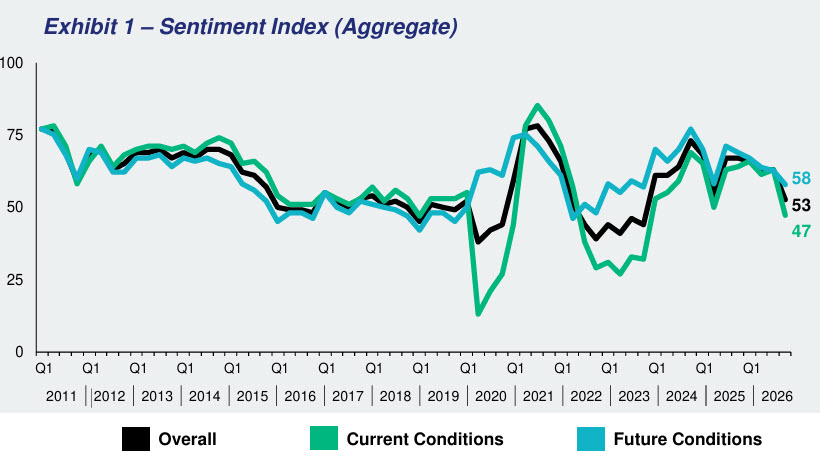
The Real Estate Roundtable (RER) released its Fourth Quarter 2026 Sentiment Index Report this week, revealing a decline in confidence among senior commercial real estate (CRE) executives as higher interest rates and geopolitical uncertainty weigh on valuations and investment decisions. The overall index fell 10 points to 53, even as property operations remained healthy across most sectors. (Q4 Sentiment Index Report | News Release)
By the Numbers
Overall Sentiment: The Q4 index declined 10 points to 53 from 63 in Q3.
Current Conditions: The Current Index fell 16 points to 47, while the Future Index fell 5 points to 58.
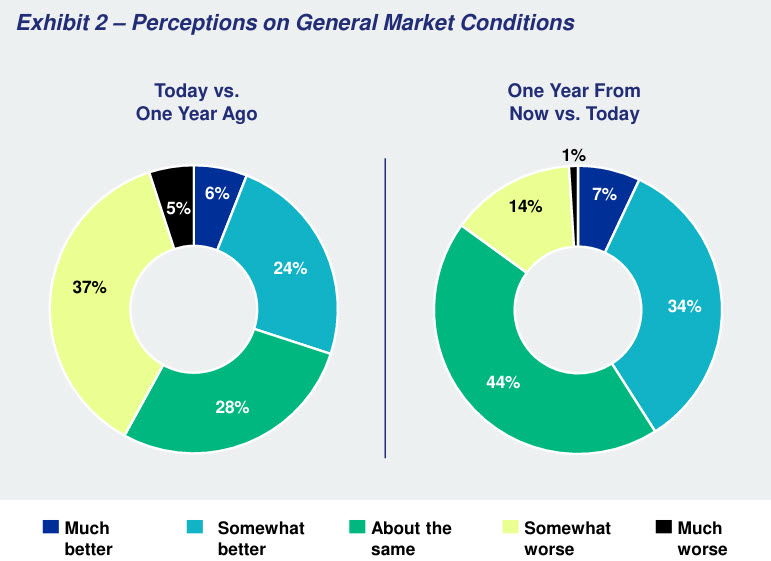
Market Outlook: 42% of respondents said market conditions were worse than a year ago, while 41% expect conditions to improve over the next year.
Expectations vs. Reality: A year ago, 70% of respondents anticipated improving market conditions. However, only 30% of Q4 2026 respondents believe conditions have improved.
Topline Findings
Rising interest rates and ongoing geopolitical uncertainty weighed on sentiment this quarter. Interviewees noted a widening gap between how properties are performing and how the market is pricing them, and although operating conditions remain healthy across most sectors, higher rates have unsettled valuations and sent investors back to the sidelines. Most participants expect the setback to pass once rates stabilize. Some see the dislocation as a buying opportunity, though few are ready to commit capital until then.
Views continue to vary widely by property type. Open-air retail and industrial have held their value, supported by limited new supply. Office sentiment is improving in select gateway markets, helped in part by leasing from AI companies and the firms benefiting from them. Data centers continue to attract strong demand, though interviewees flagged growing political resistance and questions about long-term need. Multifamily drew the most divided views. Some participants pointed to oversupply in the Sun Belt and the risk that job losses could pressure rents. Others see the recent price declines and early occupancy gains as an attractive entry point.
More than half (56%) of respondents believe asset values are lower compared to a year ago, while 29% feel they are unchanged and 15% feel values have increased. Asset values continue to face downward pressure amid interest rate volatility and pricing uncertainty, though the extent of further declines varies by asset quality and sector, with sellers adjusting expectations to facilitate transactions. Looking ahead, the outlook is mixed: 27% expect asset prices to rise over the next year, 42% believe asset values will remain stable, and 31% anticipate that values will decrease.
Perceptions on equity capital are down, with 51% believing availability is worse compared to a year ago, 15% believing it is better, and 34% believing it is the same. On the other hand, sentiment around debt capital is somewhat positive, as 44% said the availability of debt capital has improved from last year. Looking forward, 28% of respondents believe that equity capital availability will be better in one year and 17% believe debt capital availability will be better.
Roundtable View
“Higher interest rates, tariffs and geopolitical uncertainty are weighing on investment decisions,” said Jeffrey DeBoer, President and CEO of RER. “With the midterm elections behind us, both parties have a chance to give businesses a clearer sense of what to expect from Washington.”
He added, “Affordability, energy prices, and data center growth will stay high on the policy agenda. Preserving key tax and regulatory rules, and streamlining permitting would give businesses more confidence to commit capital to new housing and infrastructure.”
Roundtable on the Road
RER SVP and Counsel Ryan McCormick presented at PwC and Maryland Association of CPAs (MACPA) conferences this week, discussing federal tax developments and how the midterm elections could shape the legislative agenda for the remainder of the year and in the next Congress.
Looking Ahead
While most respondents expect the current market setback to ease once interest rates stabilize, uncertainty over valuations and the broader economic outlook continues to delay investment decisions.
The post-election policy agenda, including housing affordability, energy costs, data center growth, and permitting reform, could help restore investor confidence.
Data for the Q4 survey was gathered by Chicago-based Ferguson Partners on RER’s behalf in October. See the full Q4 report.


 Menu
Close
 About Us