

 About Us

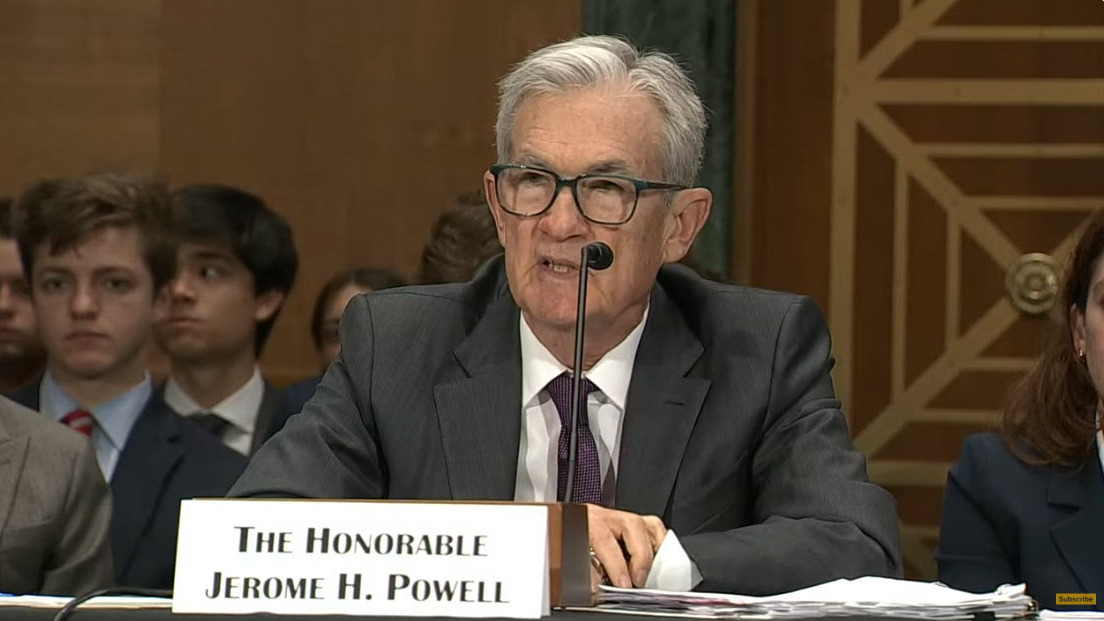
In a busy week for Fed policy, Federal Reserve Chair Jerome Powell delivered his semiannual monetary policy report to Congress, testifying at a pair of House and Senate hearings on the state of the U.S. economy. Powell also fielded questions from policymakers on a new proposal unveiled this week to ease capital requirements for large banks and the state of Basel III Endgame.
Policy Outlook
- In testimony before the House Financial Services Committee and Senate Banking, Housing, and Urban Affairs Committee, Chair Powell defended the Fed’s decision to hold interest rates steady last week. (Roundtable Weekly, June 20)
- With consumer confidence weakening and inflation risks from tariffs and Middle East tensions rising, the Fed faces competing pressures that could challenge price stability.
- On Capitol Hill this week, Chair Powell reiterated the Fed’s wait-and-see approach, saying, “For the time being, we are well positioned to wait to learn more about the likely course of the economy before considering any adjustments to our policy stance.” (Federal Reserve, June 24)
- Two Trump-appointed Fed officials, Vice Chair for Supervision Michelle Bowman and board member Christopher Waller, signaled support for cutting interest rates as soon as July. Their public stance diverges from the majority of Fed officials, seven of whom do not anticipate any rate cuts this year, highlighting an unusual divergence among Fed leadership. (Axios, June 24)
The Fed’s New Proposal
- On Wednesday, the Fed advanced a proposal to reform the enhanced supplementary leverage ratio (SLR) in a 5-2 vote, which would reduce capital requirements for relatively low-risk assets, like U.S. Treasury markets. (Reuters, June 25)
- The SLR was originally designed as a backstop to risk-based capital requirements to ensure that large banks hold a sufficient amount of capital, regardless of the riskiness of those assets. (ABA Journal, June 23)
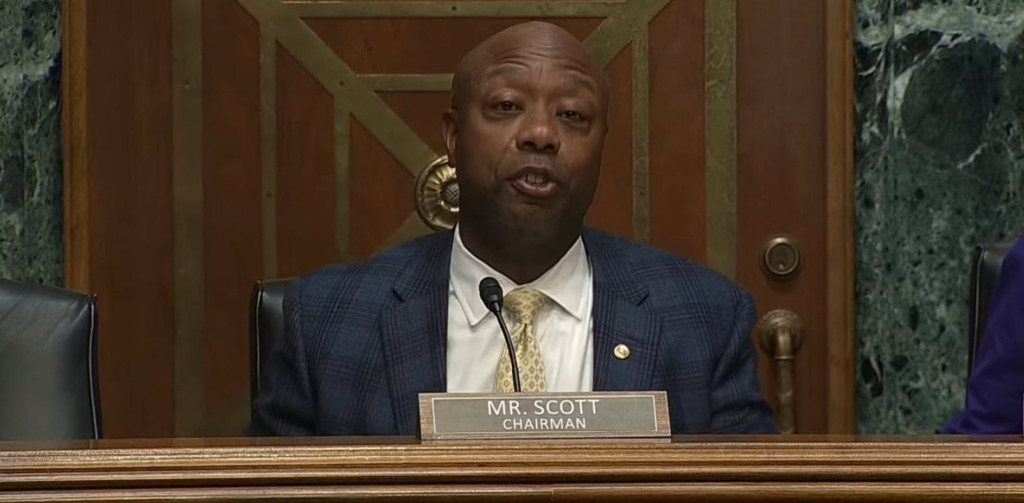
- Sen. Tim Scott (R-SC), Chair of the Senate Banking, Housing, and Urban Affairs Committee, noted at the Senate hearing with Chair Powell, the backstop has “too often” acted as a binding requirement for U.S. banks, which could harm the effective functioning of U.S. Treasury markets during periods of distress and discourage banks from engaging in low-risk activity.
- The proposed modifications are intended to make it less expensive for large banks to hold less risky assets, so that more capital is freed up for banks to invest in Treasuries and other low-risk markets.
- Vice Chair Bowman touted the proposal as an “important first step in balancing the stability of the financial system and Treasury market resilience, while preserving safety and soundness and restoring the SLR as a backstop.” (PoliticoPro, June 25)
- Chair Powell similarly highlighted the benefits of the reform proposal, noting that “it will not in any way diminish the safety and soundness of the financial system.” (Senate Hearing, June 25)
- The Fed published a notice of proposed rulemaking on the proposal, opening it for public comment.
- RER plans to comment on the proposal and its implications for the commercial real estate industry. The organization’s Real Estate Capital Policy Advisory Committee (RECPAC) is working on a response to the notice of proposed rulemaking and welcomes member input.
Basel III Endgame
- Chair Powell was also asked about the Fed’s plans for Basel III Endgame, which stalled after the proposal was met with widespread criticism from policymakers and industry associations last year.
- Chair Powell told policymakers that the Fed would take a “fresh start” at Basel III in light of the feedback it received. He agreed that the original proposal’s capital requirements were excessive and “very significantly exceeded” the Basel requirements, suggesting that it will be further revised. (American Banker, June 25)
- RER strongly opposed the original Basel III proposal, pointing out the significant economic costs it would incur without clear benefits to the economy, recommending that it be withdrawn and only reissued after further study.
- Bowman, the newly appointed Vice Chair for Supervision at the Federal Reserve, is actively involved in reviewing and potentially reforming the Basel III endgame proposal to make it more capital-neutral for U.S. banks.
- Tighter capital requirements and higher costs would come at a time when the commercial real estate industry is facing a wave of maturing loans, undermining the ability of owners and developers to restructure debt and fill the equity gap. So it is important for the Agencies to recalibrate their proposal accordingly to avert increased borrowing costs and reduced credit capacity for real estate and the overall economy.
Chair Powell’s term at the Fed isn’t up until May 2026—but reports indicate that President Trump is considering announcing his pick to succeed Powell far in advance, potentially a candidate who is more amenable to lowering interest rates on an accelerated timeline.