

 About Us

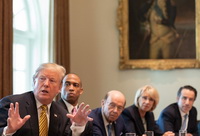
President Trump yesterday hosted the first meeting of the White House Opportunity and Revitalization Council and introduced its new Executive Director – Texas state legislator and former NFL player Scott Turner – to lead a coordinated Administration effort to revitalize economically distressed communities. (White House tweet, April 4 and Scott Turner intro video)
 |
|
President Trump yesterday hosted the first meeting of the White House Opportunity and Revitalization Council and introduced its new Executive Director – Texas state legislator and former NFL player Scott Turner – to lead a coordinated Administration effort to revitalize economically distressed communities. (White House tweet, April 4 and Scott Turner intro video) |
- Trump stated during the cabinet-level meeting, “We’re providing massive tax incentives for private investment in these areas to create jobs and opportunities where they are needed the most. This Council will further leverage federal resources and authorities to support these communities however possible. We will work to streamline regulations, improve education, promote affordable housing, reduce crime, and expand jobs and skilled training for Americans all throughout our country. Our actions will directly improve the lives of countless low-income Americans.” (Remarks by President Trump at the White House Opportunity and Revitalization Council Meeting, April 4)
- Treasury Assistant Secretary for Tax Policy David Kautter stated at an April 1 conference that the highly-anticipated, second set of Treasury Opportunity Zone (OZ) regulations could be issued in “a couple of weeks.” Those regulations have been under review since mid-March and according to Kautter, their release will likely include a request for comments concerning the type of information the IRS should consider. (Tax Notes, April 5)
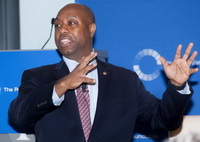
- Sen. Tim Scott (R-SC), who led the effort in Congress for enactment of the OZ program, said he is discussing legislation with Sen. Cory Booker (D-NJ) that would reinstate reporting requirements—including investor asset class, zones receiving investment, poverty reduction, and job creation—showing the effects of OZ tax breaks on local communities. (BloombergTax, March 28 and March 27)
- The OZ program’s goals and incentives were the focus of a Jan. 29 discussion during The Real Estate Roundtable’s State of the Industry Meeting, which featured Sen. Scott and Roundtable member Geordy Johnson (CEO, Johnson Development Associates, Inc.). (Roundtable Weekly, Feb. 15)
- Last June, the Treasury Department designated more than 8,700 low-income census tracts in the United States, Puerto Rico, and territories as qualified Opportunity Zones. (IRS Notice 2018-48)
Congress created the Opportunity Zone tax incentive program in the 2017 Tax Cuts and Jobs Act. Incentives reward Opportunity Fund investors with a capital gains deferral or exclusion on their invested capital in low-income communities. (Roundtable Opportunity Zones webpage)