
Business and Energy Leaders Press for Action on Permitting Reform

House lawmakers are set to vote before year’s end on a number of housing, energy, and permitting reform bills, with the bipartisan SPEED Act at the center of a broader push to address grid reliability and energy affordability.

SPEED Act

  • House Republicans are planning a floor vote the week of Dec. 15 on several measures, including the SPEED Act (H.R. 4776), which cleared committee on a bipartisan basis before Thanksgiving. (PoliticoPro, Dec. 5)
  • The measure would streamline National Environmental Policy Act (NEPA) reviews and curtail litigation. It is widely viewed as a foundation for Senate negotiations on broader permitting overhaul in 2026.
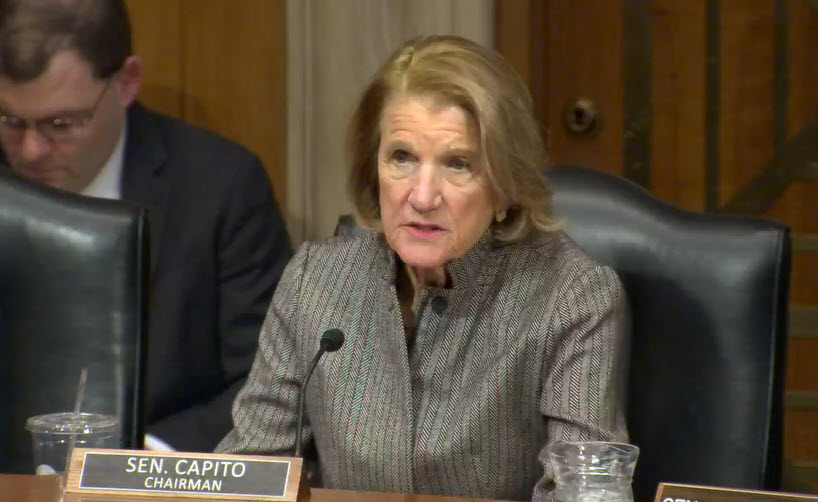
  • Senate Environment and Public Works Chair Shelley Moore Capito (R-WV) said House Natural Resources Committee Chair Bruce Westerman (R-AR) has generated “positive momentum” by striking a deal on a bipartisan amendment to his SPEED Act. The revisions would make it harder for the executive branch to cancel previously approved energy project permits. (PoliticoPro, Dec. 3)
  • On Thursday, a group of 30 House Democrats led by Rep. Scott Peters (D-CA) sent a letter to Rep. Westerman urging additional changes to the SPEED Act to secure more bipartisan support, while calling the bill a “huge step forward” for energy development. (PoliticoPro, Dec. 4)
  • Permitting reform is going to be No. 1 issue from our perspective of getting through Congress,” said Jarrod Agen, executive director of the White House’s National Energy Dominance Council.” (PoliticoPro, Dec. 4)

Industry Support

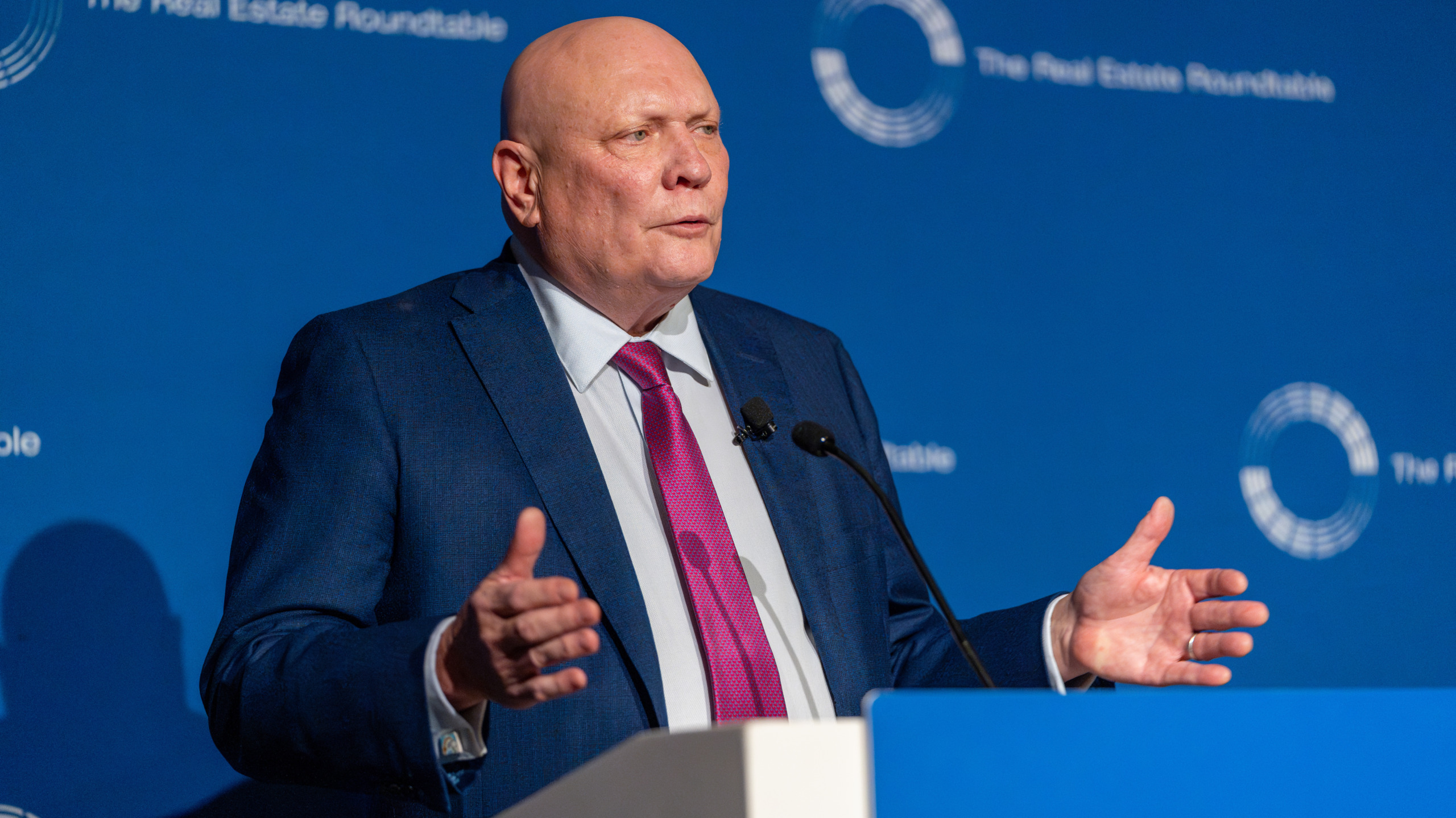
  • Jeffrey DeBoer, RER President and CEO said, “Permitting reform is essential to strengthening the nation’s electric grid and infrastructure. The current patchwork of federal reviews delays the delivery of affordable, reliable power to homes and commercial buildings. The Roundtable supports efforts—like the SPEED Act—to modernize permitting, improve grid resilience, and ensure the infrastructure needed for long-term economic growth.”
  • EEI President Drew Maloney recently noted, “We support developing all energy sources. We need as many electrons on the grid as possible to help keep the grid reliable and costs low.” (NPR, Nov. 6)

Senate Energy Plan

Sustainable Renewable Energy Concept With Wind Turbines, Solar Panels And City Buildings Background.
  • This week, Sen. Ruben Gallego (D-AZ) unveiled an all-of-the-above energy framework, “Fostering American Energy Innovation and Affordability,” focused on affordability, reliability and efficiency. (Press Release, Dec. 4 | Axios, Dec. 3)
  • His plan promotes permitting reform for natural-gas pipelines and interstate transmission siting, and emphasizes investment in solar, wind, advanced nuclear, and geothermal energy as part of a broader push to modernize the grid and lower costs. (PoliticoPro, Dec. 4)

House Committee Advances Energy Affordability Measures

  • The House Energy and Commerce Committee advanced a slate of energy bills this week aimed at lowering energy costs and rolling back Biden-era efficiency rules. Most of the measures passed along party lines. (PoliticoPro, Dec.4)
  • Energy Choice Act (H.R. 3699): Passed 24–21; blocks state and local bans on natural gas connections to buildings. (A “ban on gas bans” aligns with RER’s 20-Point Policy Guide on Building Performance Standards)
  • Affordable Housing Over Mandating Efficiency Standards Act (H.R. 5184): Passed 30–16; shifts manufactured-housing oversight from DOE to HUD and overturns Biden-era efficiency standards that increase upfront housing costs. (Roundtable Weekly, Nov. 21)
  • Homeowner Energy Freedom Act (H.R. 4758): Passed 25–21; repeals portions of the Inflation Reduction Act, including electric-home rebates and related grant programs. (Roundtable Weekly, Feb. 28)

Up Next: GHG Protocol – Scope 2 Guidance

  • RER’s Sustainability Policy Advisory Committee (SPAC) in coordination with Nareit, is developing industry-wide comments on the GHG Protocol’s proposed revisions to its Scope 2 Guidance, now under public consultation.
  • RER will host a one-hour member discussion on Wednesday, Dec. 10, from 3:00–4:00 p.m. ET to help shape the industry’s responses to the Scope 2 survey. For more information, contact Duane Desiderio at ddesiderio@rer.org.

RER will continue working with lawmakers and industry partners to advance permitting reforms that expand energy supply, strengthen grid reliability, and support real estate investment across property types.

House Committees Mark Up Key Housing and Energy Bills

Policymakers marked up a series of housing and energy measures this week focused on streamlining project approvals, updating efficiency standards, and addressing federal funding for state and local energy laws. The discussions highlighted bipartisan momentum around reforms to bolster grid reliability and reduce housing costs.

SPEED Act Mark Up

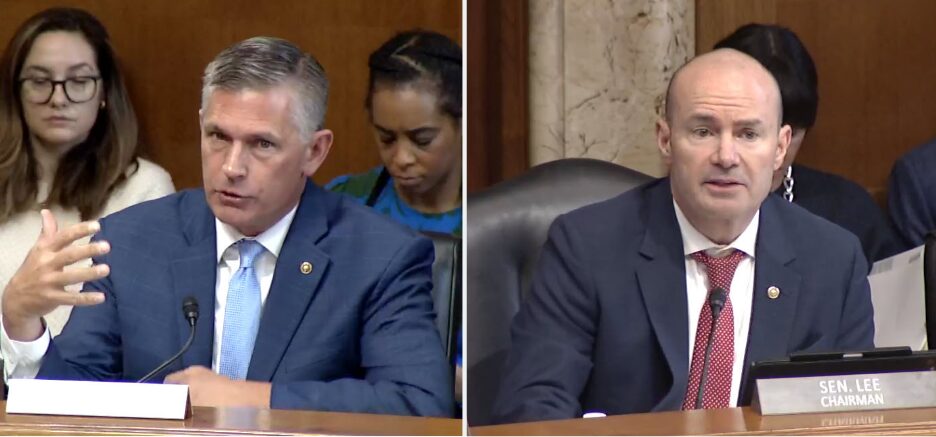
  • The House Natural Resources Committee on Thursday marked up the Standardizing Permitting and Expediting Economic Development (SPEED) Act (H.R. 4776) and adopted a bipartisan amendment limiting executive-branch authority to cancel energy project permits, a key issue in broader negotiations. (PoliticoPro, Nov. 20 | Watch Mark-Up)
  • The bill would amend the National Environmental Policy Act (NEPA) to streamline environmental reviews and reduce litigation delays for projects requiring federal funding and permits. (The Hill, Nov. 17)
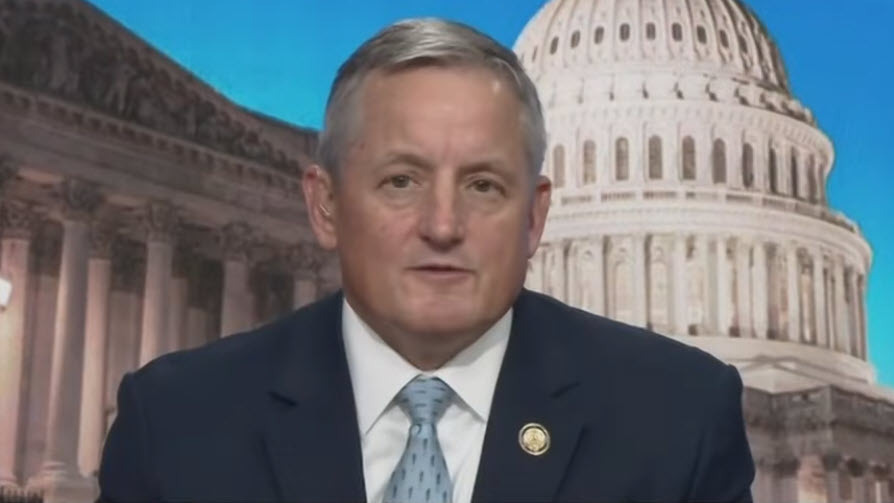
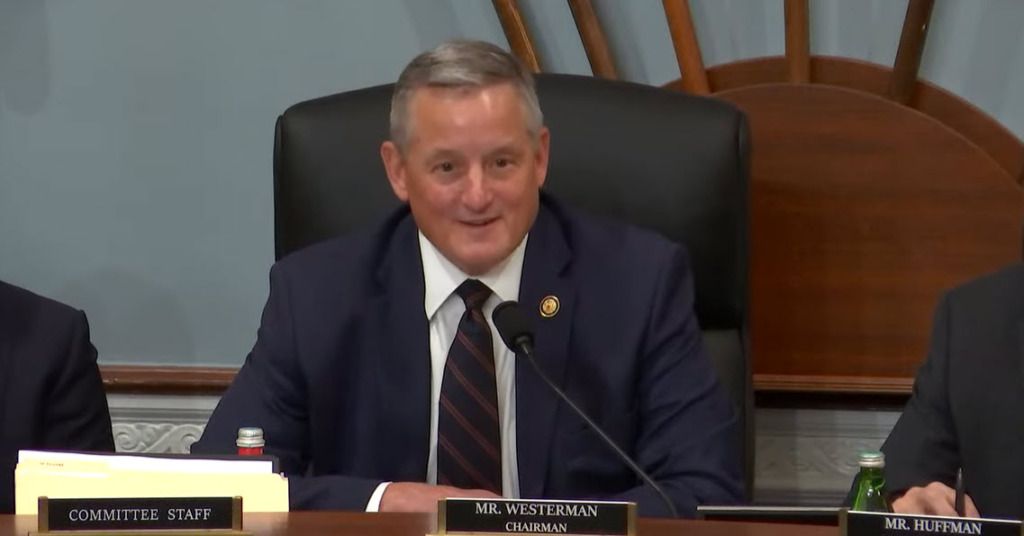
  • House Natural Resources Committee Chair Bruce Westerman (R-AR) said, “NEPA reform helps everything. “It helps electrical transmission. It helps pipelines. It helps traditional energy sources. It helps new energy sources. It helps transportation and infrastructure projects.”  If NEPA reform passes “everybody wins,” he added.
  • Jeffrey DeBoer, RER President and CEO, said, “Permitting reform is essential to strengthening the nation’s electric grid and infrastructure. The current patchwork of federal, state and local approvals delays the delivery of affordable, reliable power to homes and commercial buildings. The Roundtable supports efforts—like the SPEED Act—to modernize permitting, improve grid resilience, and ensure the infrastructure needed for long-term economic growth.”
  • The SPEED Act is expected to continue to draw bipartisan support in the House. Ongoing Senate negotiations are reportedly addressing renewable-energy protections, emissions-reduction provisions, and a potential broader package blending transmission policy, clean-energy safeguards, and litigation limits. (E&E News, Nov. 17)
  • Rep. Scott Peters (D-CA) called the bill a “huge step forward,” and urged Democratic colleagues to support it, while seeking further adjustments to curb the executive branch’s ability to cancel energy project permits. (Press Release | PoliticoPro, Nov. 20)

House Energy & Commerce Mark Ups

  • On Wednesday, a House Energy and Commerce subcommittee marked up eight energy-related bills, reflecting contrasting approaches to energy affordability and building efficiency standards as lawmakers debate rising energy and housing costs. (PoliticoPro, Nov. 19 | Committee Press Release )
  • The subcommittee approved several CRE-relevant bills that now move to the full committee for consideration.
  • Energy Choice Act (H.R. 3699): Advanced by voice vote. Aims to prevent state/local laws that would ban the use of natural gas in buildings. (A “ban on gas bans” aligns with RER’s 20-Point Policy Guide on Building Performance Standards)
  • Affordable Housing Over Mandating Efficiency Standards Act (H.R. 5184): Advanced by voice vote. Aims to reduce stringent energy efficiency codes for manufactured housing and negatively impact housing affordability.
  • Homeowner Energy Freedom Act (H.R. 4758): Approved 16–14 along party lines. Aims to eliminate federal funding under the Biden-era Inflation Reduction Act, which provides grants to states and localities to support the highest-level energy codes, building electrification mandates, and other building performance standards. (Roundtable Weekly, Feb. 28)
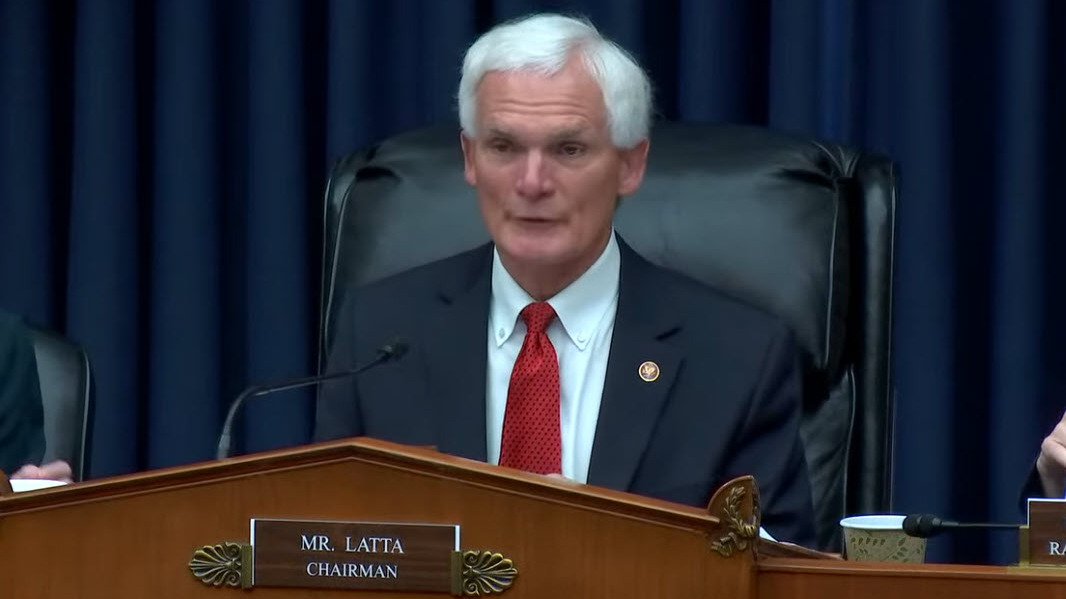
  • Energy Subcommittee Chair Bob Latta (R-OH) said, “The legislation before us today represents an opportunity for this committee to implement reforms that re-prioritize energy efficiency policies toward the items that matter most to consumers: Affordability, availability, and durability.” (PoliticoPro, Nov. 19)

Climate Disclosure Law

  • In other energy news this week, a federal appeals court issued a preliminary injunction halting enforcement of California’s SB 261, requiring companies with at least $500M in global revenue to report climate-related financial risks starting January 2026. (ESG Dive | PoliticoPro, Nov. 18)
  • The court blocked SB 261, pending litigation over First Amendment concerns. It did not block SB 253, which requires corporations with $1B+ in revenue to begin reporting scope 1 and 2 emissions in 2026, and scope 3 in 2027. The trial on the First Amendment claim is scheduled for October 2026. (RER Fact Sheet, 2023; RW Sept. 2023)

RER will continue working with policymakers as Congress weighs permitting reform and energy policy measures that directly affect commercial real estate investment, housing supply, and the reliability of the nation’s power grid

What the Government’s Reopening Means for CRE Policy Priorities

The new stopgap extends government funding only through Jan. 30, leaving appropriators less than two months to complete the remaining FY2026 bills. With the government reopened, housing, permitting, tax, and energy policy issues are again at the forefront of congressional debates. (PoliticoPro, Nov. 13)

Housing

  • HOME Program: House Financial Services Housing and Insurance Subcommittee Chair Rep. Mike Flood (R-NE) plans to restart bipartisan work on legislation updating HUD’s HOME Investment Partnerships Program, which supports affordable housing development for low-income households. Rep. Flood hopes to hold a hearing with HUD Secretary Scott Turner, though the compressed calendar may limit year-end action. (PoliticoPro, Nov. 13) (Roundtable Weekly, July 18, Sept. 5)
  • Housing Supply: The Housing Supply Expansion Act of 2025 (S.2414) is a proposed set of provisions, not a standalone bill, that aims to increase housing supply by modernizing regulations and streamlining development processes. Key components include eliminating the permanent chassis requirement for manufactured homes to lower costs, simplifying environmental review processes, and providing incentives for local governments to adopt more pro-growth housing policies. It is part of broader legislative packages like the ROAD to Housing Act of 2025 (S. 2651) and the Strengthening Housing Supply Act of 2025 (H.R.5077).
  • The ROAD to Housing Act of 2025 (S. 2651), included in the Senate-passed National Defense Authorization Act (NDAA), is on track for a House vote in December, according to House Armed Services Chair Mike Rogers (R-AL). (PoliticoPro, Nov. 14) (Roundtable Weekly, Oct. 17)
  • Portable Mortgages: Federal Housing Finance Agency (FHFA) Director Bill Pulte said Wednesday the administration is actively evaluating portable mortgages, which would allow homeowners to transfer an existing mortgage rate when buying a new home, an attempt to break the current “lock-in effect.” (Bloomberg, Nov. 12)
  • RER President and CEO Jeffrey DeBoer raised a similar supply-focused idea during the National Summit on the Housing Affordability Crisis in September. He noted that affordability challenges stem from constrained supply, limited mobility in the for-sale market, and high development costs—and that portable mortgage–style tools could be part of the solution. (Roundtable Weekly, Sept. 5)

Permitting & Energy

  • Permitting remains one of the most consequential issues for real estate investment, energy transmission, construction timelines, and infrastructure reliability. House Republicans are preparing a major overhaul aimed at accelerating approvals of energy and infrastructure projects. (Roundtable Weekly, Oct. 10)
  • House Outlook: House Natural Resources Chair Bruce Westerman (R-AR) plans to mark up the SPEED Act, co-led by Rep. Jared Golden (D-ME), which would streamline NEPA reviews and limit legal challenges. Democrats secured “permit certainty” language to prevent agencies from indefinitely stalling approvals. (PoliticoPro, Nov. 12)
  • “To keep energy prices from escalating, we have to build more energy and more energy infrastructure, or the supply and demand is going to overpower any policy you can do in Washington D.C.,” Westerman said. “We’ve got to get electricity prices stabilized.” (PoliticoPro, Nov. 12)
  • Senate Outlook: Broader Senate negotiations may include updates to Clean Water Act reviews and reforms to transmission siting, both critical for meeting surging electricity demand from AI data centers and maintaining grid reliability.

Tax and Tariff Policy

  • Section 899: The U.S. continues to push for Organization for Economic Cooperation and Development (OECD) ratification of its carveout from the global minimum tax agreement (Pillar Two). Without an agreement, Republicans could revive legislation to enact “retaliatory tax measures” against foreign companies and taxpayers, including real estate investors, that reside in countries deemed to impose discriminatory taxes. (PoliticoPro, Nov. 13)
  • Over the weekend, President Trump floated the idea of issuing tariff rebate checks to American taxpayers, a “dividend” he suggested could total at least $2,000 per person, excluding high-income households. (ABC News | Bloomberg, Nov. 10)
  • These proposals have renewed speculation that Congress may pursue a tax package next year. A tax bill, pursued through budget reconciliation rules, could be a vehicle for other tax proposals related to health care, housing, and affordability issues.

Roundtable on the Road

  • This week, Jeffrey DeBoer participated in the Stanford Professionals in Real Estate (SPIRE) 2025 SREC Fall Conference in California with RER board member Michael Lowe (Co-CEO, Lowe), where he discussed the reopening of the government, the path ahead on appropriations, and RER’s policy priorities.
  • He also highlighted how recent election results have intensified focus on housing affordability, permitting reform, and practical policy solutions that support real estate investment and community growth.

RER will continue working with lawmakers to provide insights and advance practical solutions as Congress moves into a compressed legislative window.