Senate Passes Seven-Year TRIA Reauthorization

The Senate passed the bipartisan Terrorism Risk Insurance Program Reauthorization Act of 2026 (S. 4395) by unanimous consent, advancing a seven-year extension of the federal terrorism risk insurance program through Dec. 31, 2034.

State of Play

  • Sponsored by Sen. Dave McCormick (R-PA), with Sens. Tina Smith (D-MN), Thom Tillis (R-NC), and Ruben Gallego (D-AZ), S. 4395 provides a clean seven-year reauthorization through 2034, maintaining the program’s existing structure.
  • Both chambers have now approved seven-year extensions, but the Senate bill differs from the House-passed measure, which would increase the minimum loss threshold for an event to qualify as an act of terrorism under the program from $5 million to $10 million beginning in 2029 and establish a 90-day timeframe for Treasury certification determinations. (Roundtable Weekly, July 17) 

What’s Next

  • Because the House and Senate passed different versions of the reauthorization, identical legislation must still clear both chambers before it can be sent to the president for his signature.
  • Options include the House adopting the Senate bill, a conference to resolve differences, or attaching final language to a must-pass package by year’s end.

RER Advocacy

  • RER and coalition partners urged lawmakers to advance S. 4395, warning that policyholders are already negotiating coverage extending beyond TRIA’s 2027 expiration and emphasizing the importance of maintaining certainty for insurers and policyholders. (Roundtable Weekly, Sept. 18)
  • RER and its industry partners will continue urging Congress to send a long-term TRIA reauthorization to the president’s desk before the end of the year, providing certainty ahead of the program’s 2027 expiration.

Industry Urges Congress to Include Retail Crime Bill in Final NDAA

The Real Estate Roundtable (RER) and a coalition of national real estate organizations urged congressional leaders to include the bipartisan Combating Organized Retail Crime Act (CORCA) in the final Fiscal Year 2027 National Defense Authorization Act (NDAA). (Letter, Sept. 17)

State of Play

  • CORCA (H.R. 2853/S. 1404) would strengthen coordination among federal, state, and local law enforcement and provide additional tools to investigate and prosecute organized criminal networks operating across jurisdictions.
  • The House passed H.R. 2853 on May 12 by a bipartisan vote of 348–60. Senate supporters later filed CORCA as part of a bipartisan amendment package to the FY 2027 NDAA, but the chamber has not advanced the broader defense bill. (Legis1, May 14)
  • RER joined the Commercial Real Estate Development Association, ICSC, Nareit, and the National Association of REALTORS® in sending the letter to House and Senate leaders.

Why It Matters

  • Organized retail crime affects more than retailers. These criminal networks threaten employees and customers, disrupt shopping centers and supply chains, contribute to store closures and higher prices, and discourage investment in communities. (Letter, Sept. 17)
  • Retailers are projected to lose $49.8 billion to retail theft in 2026, with losses potentially exceeding $59 billion by 2029 without federal intervention.
  • A nationwide FTI Consulting survey found that 81% of Americans believe organized retail crime contributes to higher consumer prices, while 74% support federal legislation to address it.

What’s Next

  • With the House not expected to return until after the midterm elections, lawmakers will face a compressed year-end window to complete the NDAA.

RER and its coalition partners are urging congressional leaders to preserve CORCA in the final package and enact the bipartisan measure before the end of the 119th Congress.

Senate Banking Committee Advances TRIA Reauthorization

The Senate Banking Committee voted 24–0 on Sept. 17 to advance the bipartisan Terrorism Risk Insurance Program Reauthorization Act of 2026 (S. 4395), moving a long-term extension of the federal terrorism insurance program toward full Senate consideration. (Coalition Letter, Sept. 16 | Insurance Journal, Sept. 17)

State of Play

  • As introduced, the Senate legislation would extend the program for seven years through Dec. 31, 2034, maintaining its existing framework. TRIA is currently scheduled to expire on Dec. 31, 2027. (Senate Banking Statement, Sept. 17 | Bill Text)
  • On June 29, the House voted 373–15 to pass its bipartisan reauthorization bill (H.R. 7128), also extending the program through 2034. (Roundtable Weekly, July 17)
  • The House measure would also raise the minimum loss threshold for terrorism certification from $5 million to $10 million beginning in 2029 and establish a 90-day timeframe for Treasury certification decisions. (Roundtable Weekly, July 17)

Roundtable Advocacy

  • Ahead of the vote, RER, the Coalition to Insure Against Terrorism (CIAT), and a broad group of trade associations submitted a letter to Senate Banking Committee Chairman Tim Scott (R-SC) and Ranking Member Elizabeth Warren (D-Mass.), urging them to advance S. 4395 to the full Senate. (Coalition Letter, Sept. 16
  • The coalition warned that policyholders are already negotiating coverage extending beyond TRIA’s 2027 expiration. Past reauthorization delays have prompted insurers to include conditional exclusions that eliminate terrorism coverage if the program lapses.
  • RER, which co-chairs CIAT, has consistently urged Congress to act early. The latest letter builds on the coalition’s July call to include long-term TRIA reauthorization in must-pass legislation this year. (Coalition Letter, July 29)

Why It Matters

  • Following the Sept. 11 attacks, terrorism insurance became largely unavailable, disrupting commercial real estate financing and construction. TRIA’s public-private partnership helps maintain access to coverage needed to finance projects, protect jobs, and support investment. (Roundtable Weekly, May 1)
  • Since 2002, the program has served as a public-private risk-sharing mechanism that helps maintain the availability of terrorism insurance at virtually no cost to taxpayers.

The bill now heads to the full Senate for consideration. RER and its coalition partners will continue urging Senate passage and enactment of a long-term TRIA extension this year.

RER, CIAT Urge Senate to Advance Long-Term TRIA Reauthorization

The Real Estate Roundtable (RER), the Coalition to Insure Against Terrorism (CIAT), and a broad group of business organizations urged congressional leaders this week to include a seven-year extension of the Terrorism Risk Insurance Program (TRIA) in any must-pass legislation considered this year. (Letter, July 29)

Coalition Letter

  • The coalition called for action on the bipartisan Senate Terrorism Risk Insurance Program Reauthorization Act of 2026 (S. 4395), warning that waiting until the final year of TRIA’s authorization would create uncertainty for insurers and policyholders that are already negotiating policies extending beyond the program’s Dec. 31, 2027 expiration. (Roundtable Weekly, July 17)
  • The letter emphasized that maintaining the current framework is critical to ensuring insurers of all sizes remain in the market, and sufficient capacity is available for businesses seeking terrorism coverage. (Letter, July 29)
  • TRIA remains a critical public-private partnership that helps ensure terrorism insurance coverage remains available and affordable for commercial businesses, educational institutions, nonprofit organizations, and other policyholders. (Letter, July 29)

State of Play

  • Last month, the House voted 373-15 to pass the bipartisan TRIA Program Reauthorization Act of 2026 (H.R. 7128), which would extend the program through 2034. The bill would also raise the minimum loss threshold from $5 million to $10 million beginning in 2029 and establish a 90-day timeframe for Treasury certification decisions. (PoliticoPro, June 29 | Legis1, July 1)
  • The Senate’s seven-year reauthorization bill (S. 4395) has garnered more than 30 bipartisan cosponsors. Both the House and Senate proposals maintain TRIA’s existing structure, which the coalition emphasized is critical to keeping insurers of all sizes in the market and preserving sufficient coverage capacity. (Roundtable Weekly, May 1)

Why It Matters

  • TRIA has provided stability to terrorism insurance markets since its enactment following the Sept. 11 attacks, helping businesses, property owners, lenders, and insurers manage risks that the private market cannot fully absorb. (Roundtable Weekly, Sept. 19)
  • Since 2002, the program has served as a public-private risk-sharing mechanism that helps maintain the availability of terrorism insurance at virtually no cost to taxpayers.
  • A 2026 Treasury Department report warned that allowing TRIA to expire—or even lapse temporarily—could disrupt insurance markets, affect unrelated lines of coverage, and delay projects in critical sectors. (Letter, July 29)
  • The letter also cited federal assessments of evolving threats to critical infrastructure, including real estate.

Roundtable Advocacy

  • RER, which co-chairs CIAT, has consistently urged Congress to act well ahead of TRIA’s Dec. 31, 2027 expiration.

RER and its industry partners will continue to urge Senate leaders to include TRIA on any must-pass legislation this year.

House Passes Seven-Year TRIA Reauthorization

On June 29, the House voted 373-15 to pass the bipartisan TRIA Program Reauthorization Act of 2026 (H.R. 7128), advancing a long-term extension of the federal terrorism risk insurance program through 2034. (PoliticoPro, June 29 | Legis1, July 1)

State of Play

  • The bill, sponsored by House Financial Services Subcommittee on Housing and Insurance Chairman Mike Flood (R-NE), would extend the Terrorism Risk Insurance Program for seven years beyond its current Dec. 31, 2027 expiration. (Rep. Flood Press Release | PoliticoPro, June 29)
  • The measure would also increase the minimum loss threshold for an event to qualify as an act of terrorism under the program from $5 million to $10 million beginning in 2029 and establish a 90-day timeframe for Treasury certification determinations. (Insurance Journal, June 30)
  • The House Financial Services Committee previously advanced the legislation in January by a 51-2 vote. (Roundtable Weekly, Jan 23)
  • Following the Sept. 11 attacks, terrorism insurance became largely unavailable, disrupting commercial real estate financing and delaying billions of dollars in transactions. TRIA has since provided a public-private mechanism to maintain access to coverage that the private market alone cannot fully provide.

RER Advocacy

  • The coalition emphasized TRIA remains a critical public-private partnership that ensures the continued availability of terrorism insurance coverage and supports the broader economy. (Letter, June 29)
  • “While no insurance program can eliminate terrorism risk, TRIA provides a critical economic backstop that helps businesses, lenders, and insurers manage the financial consequences of an attack,” said RER President and CEO Jeffrey D. DeBoer. “We urge the Senate to act promptly on a long-term reauthorization well in advance of the program’s expiration at the end of 2027.”
  • This week, RER continues to work through CIAT and with other business and insurance organizations to encourage Senate leaders to include TRIA reauthorization in the FY2027 National Defense Authorization Act (NDAA). 
  • However, the Fiscal Year 2027 National Defense Authorization Act (NDAA) (H.R.8800) is currently stalled in the Senate.
  • RER and its coalition support Amendment #5879, offered by Sens. Dave McCormick (R-PA), Tina Smith (D-MN), Thom Tillis (R-NC), and Ruben Gallego (D-AZ), for inclusion in the FY 2027 NDAA. The amendment is identical to the Senate TRIA reauthorization bill, S. 4395, and would extend TRIA for seven years. (Roundtable Weekly, May 1)

What’s Next

  • Amendment #5879 to the FY2027 NDAA could provide a path for sending a seven-year TRIA reauthorization to the president’s desk this year.

RER and its industry partners urge Senate leaders to include the amendment in the NDAA and secure a long-term extension well ahead of the program’s 2027 expiration.

Senators Introduce Bipartisan Seven-Year TRIA Extension

A bipartisan group of Senators introduced the Terrorism Risk Insurance Program Reauthorization Act of 2026 this week, a clean, seven-year extension of the federal terrorism insurance backstop that helps keep coverage available for commercial real estate, lenders, insurers, and other businesses. (Sen. McCormick Press Release, April 27)

The Senate bill (S.4395) follows bipartisan action in the House (H.R. 7128) earlier this year and adds momentum to efforts to reauthorize TRIA well ahead of its scheduled expiration on Dec. 31, 2027. (Legis1, April 29)

Terrorism Risk Insurance Program Reauthorization Act of 2026 (TRIA)

  • Sens. Dave McCormick (R-PA), Tina Smith (D-MN), Thom Tillis (R-NC), and Ruben Gallego (D-AZ) introduced the bill on April 27 in the Senate Banking, Housing, and Urban Affairs Committee. (Sen. McCormick Press Release, April 27)
  • “Since 9/11, The Roundtable has worked to ensure businesses can secure the terrorism risk coverage needed to finance projects, protect jobs, and support economic growth. We commend bipartisan leaders in the House and Senate for advancing TRIA reauthorization well ahead of its expiration. This program remains vital to commercial real estate and the broader economy, and we look forward to working with Congress to pass a long-term extension,” said Jeffrey D. DeBoer, President and CEO of The Real Estate Roundtable (RER).
  • More than 20 bipartisan cosponsors joined the bill, including Senate Banking Committee Chairman Tim Scott (R-SC) and Senate Democratic Leader Chuck Schumer (D-NY), who led prior TRIA reauthorization efforts while serving on the Banking Committee. (Full bill text)
  • “Reauthorizing the Terrorism Risk Insurance Program is essential to ensuring businesses have the certainty they need to operate and invest with confidence,” said Sen.Tillis (R-NC). “This longstanding public-private partnership has helped safeguard our economy for more than two decades, and extending it will prevent disruption while ensuring we remain prepared for evolving threats.” (Press Release, April 27)

Roundtable Advocacy

  • Since 9/11, RER has been at the forefront of efforts to secure terrorism risk coverage for American businesses. (Roundtable Weekly, Sept. 19)
  • In September 2025 and January 2026, CIAT submitted letters to the House Financial Services Committee (HFSC) urging lawmakers to act well before TRIA’s scheduled expiration. The coalition warned that allowing the program to lapse would trigger “a period of profound economic slowdown, posing a very real threat to our economic and homeland security.” (Letter, Jan. 21, 2026 | Letter, Sept. 15, 2025)
  • A RER survey cited in the letter found that more than $15 billion in property transactions stalled or were canceled in the 14 months between 9/11 and TRIA’s passage, underscoring the economic damage caused by the absence of terrorism insurance.

Why It Matters

  • TRIA was originally enacted in 2002, following the 9/11 attacks. The program has been reauthorized four times—in 2005, 2007, 2015, and 2019—and is currently set to expire on Dec. 31, 2027.
  • While TRIA has never been triggered, it has provided a crucial backstop against losses from terrorist attacks for nearly two decades.
  • At almost no cost to the taxpayer, the TRIA Program has been the key factor in ensuring that the private insurance market has remained intact and continues to meet the needs of commercial policyholders amid the ongoing threat of future terrorist attacks—all while minimizing federal taxpayer exposure.

What’s Next

  • Earlier this year, the HFSC approved the House’s TRIA reauthorization bill (H.R. 7128), sponsored by Reps. Mike Flood (R-NE) and Andrew Garbarino (R-NY). (Roundtable Weekly, Jan. 23)
  • The House bill would extend TRIA through 2034 and raise the program trigger from $5 million to $10 million beginning in 2029.
  • The House bill is expected to come up for a vote on the suspension calendar in the weeks ahead, as lawmakers work to reconcile minimal differences between the House and Senate versions and move the legislation toward final passage.

RER and its CIAT coalition will continue working with policymakers to secure a long-term TRIA reauthorization ahead of 2027.

House Financial Services Committee Advances Long-Term TRIA Reauthorization Legislation

The House Financial Services Committee marked up and passed with bipartisan support, the Terrorism Risk Insurance Act (TRIA) Program Reauthorization Act of 2026 (H.R. 7128), sponsored by Reps. Mike Flood (R-NE) and Andrew Garbarino (R-NY), extending the federal terrorism insurance backstop for seven years. (CIAT Letter | Hearing).

TRIA Reauthorization

  • The bill would extend TRIA through 2034 and raise the program trigger from $5 million to $10 million beginning in 2029. (PoliticoPro, Jan. 22)
  • The coalition letter emphasized that acting in 2026 would provide long-term certainty and help avoid disruptions if reauthorization were to slip into the program’s final year.
  • The legislation would also shorten the Treasury Department’s certification window for determining an act of terrorism from 90 days to 30 days, enabling claims to move sooner, along with other technical updates.
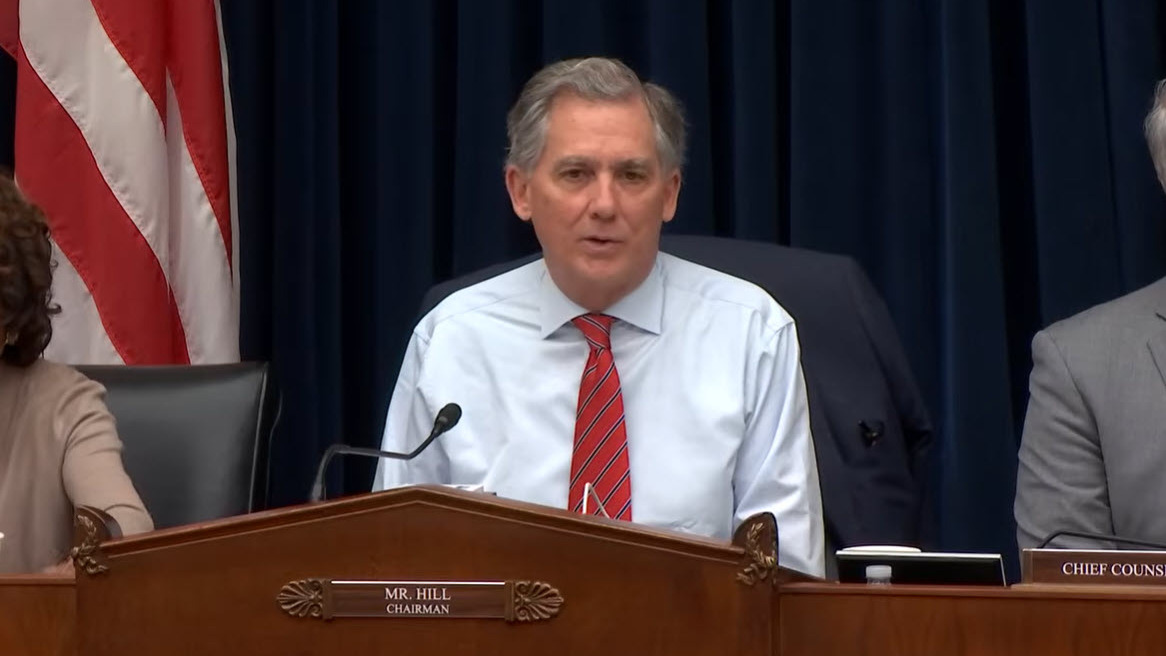
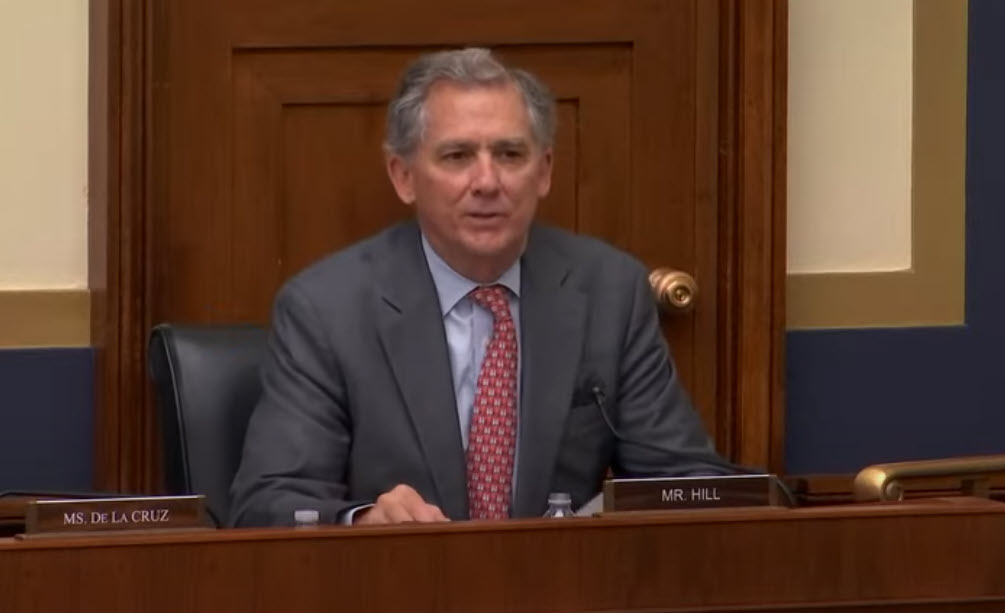
  • House Financial Services Committee Chairman French Hill (R-AR) said in his opening statement, “Extending TRIA not only safeguards American businesses but ensures that our economy remains resilient against potential threats.” (Press Release, Jan. 22)

Why It Matters

  • TRIA was originally enacted in 2002, following the 9/11 attacks. The program has been reauthorized four times—in 2005, 2007, 2015, and 2019—and is currently set to expire on Dec. 31, 2027.
  • While TRIA has never been triggered, it has provided a crucial backstop against losses from terrorist attacks for nearly two decades.
  • At almost no cost to the taxpayer, the TRIA Program has been the key factor in ensuring that the private insurance market has remained intact and continues to meet the needs of commercial policyholders during the on-going threat of a future terrorist attack—all while minimizing federal taxpayer exposure.

Roundtable Advocacy

Rep. Mike Flood (R-NE), lead sponsor of the bill at RER’S SOI RECPAC meeting
  • Since 9/11, RER has been at the forefront of efforts to enact a federal program to enable American businesses to secure the terrorism risk insurance coverage they need.
  • RER helped establish CIAT, a broad coalition of commercial insurance consumers formed immediately after 9/11 to ensure that businesses could obtain comprehensive and affordable terrorism insurance. (CIAT Talking Points on TRIA Reauthorization)
  • In September 2025, the House Housing and Insurance Subcommittee held a hearing on TRIA reauthorization, where members and witnesses from both parties voiced strong support for renewing the program ahead of its expiration.  CIAT also sent a letter before that hearing, warning that a lapse would trigger “a period of profound economic slowdown, posing a very real threat to our economic and homeland security.”  (Roundtable Weekly, Sept. 19)

The bill (H.R. 7128) now advances to the full House for consideration. RER and its CIAT coalition will continue working with policymakers to secure a long-term TRIA reauthorization ahead of 2027

RER and Coalition Urges TRIA Reauthorization

The Coalition to Insure Against Terrorism (CIAT) submitted a letter this week to the House Financial Services Housing and Insurance Subcommittee ahead of its Sept. 17 hearing on “The Reauthorization of the Terrorism Risk Insurance Act of 2002 (TRIA).” The letter urged lawmakers to act well in advance of TRIA’s scheduled expiration on Dec. 31, 2027. (Letter, Sept. 15 | Watch Hearing)

Why It Matters

  • TRIA has been reauthorized four times—in 2005, 2007, 2015, and 2019—and is set to expire in 2027.
  • The coalition letter warned that letting the program lapse would trigger “a period of profound economic slowdown, posing a very real threat to our economic and homeland security.” (Letter, Sept. 15)
  • House Financial Services Housing and Insurance Subcommittee Chair Mike Flood (R-NE) said Wednesday he intends to propose a clean, eight-year reauthorization of TRIA. (PoliticoPro, Sept. 17 | Press Release, Sept. 17)
  • Without TRIA, businesses from real estate and banking to hospitality and sports, could face significant financing challenges if terrorism insurance becomes unavailable or unaffordable. (Letter, Sept. 15)
  • The program has never been triggered, but for nearly two decades has provided the commercial real estate industry with a crucial backstop against losses from external threats.
  • An RER survey cited in the letter found that more than $15 billion in property transactions stalled or were cancelled in the 14 months between 9/11 and TRIA’s passage, underscoring the economic damage caused by the absence of terrorism insurance.

Hearing Highlights

  • Members of the committee stressed the need to reauthorize TRIA, highlighting its role in sustaining a functioning insurance market and protecting the broader economy.
  • “TRIA’s value is not just in direct responses to terrorism events. The program makes it easier to have an operating market where entities can purchase insurance that covers terrorism risk, and a well-functioning insurance market makes it possible for entities of all kinds to purchase insurance against terrorism risks,” Subcommittee Chair Flood said.
  • House Financial Services Committee Chairman French Hill (R-AR) said, “It’s crucial we take the necessary steps to reauthorize TRIA in addition to enhancing the program’s operations to better protect our economy and strengthen our national security.” (Press Release, Sept. 17)
  • During the hearing, Rep. Ritchie Torres (D-NY) underscored the stakes, stating that without TRIA there would be no financing—or far less financing—of projects. “Without TRIA, there would be no operational terrorism risk insurance market, and without TRIA, few businesses in America could survive a catastrophic terrorist event,” Rep. Torres said. (Watch Hearing)
  • Michelle Sartain (Marsh McLennan), testified during the hearing that TRIA “has been a model public-private partnership,” remains essential for insuring against catastrophic risks, and warned that uncertainty around reauthorization would ripple through the economy, affecting hiring and investment. (Insurance Journal, Sept. 17)

Background on TRIA

  • Enacted in November 2002, TRIA was created in the wake of 9/11 to stabilize insurance markets after private insurers began excluding terrorism coverage from policies.
  • The program provides a system of shared public and private compensation for certain insured losses from a certified act of terrorism.
  • TRIA operates at virtually no cost to taxpayers, thanks to its recoupment mechanism, and continues to ensure market stability amid persistent threats.

RER’s Advocacy

  • Since 9/11, RER has been at the forefront of efforts to secure terrorism risk coverage for American businesses.
  • RER also helped establish CIAT, a broad coalition of commercial insurance consumers formed immediately after 9/11 to ensure that businesses could obtain comprehensive and affordable terrorism insurance. (CIAT Talking Points on TRIA Reauthorization)

RER will continue to work with CIAT and policymakers to ensure a long-term reauthorization of TRIA before its scheduled expiration in 2027.

RE-ISAC and Homeland Security Task Force Address Civil Risks

Widespread demonstrations against recent Immigration and Customs Enforcement (ICE) raids, including National Guard deployments across the nation, prompted urgent coordination among commercial real estate leaders this week through The Real Estate Roundtable’s (RER) Homeland Security Task Force (HSTF). (Washington Post, June 13)

Why it Matters for CRE

  • In response to protests over recent immigration sweeps across the U.S., RER’s HSTF,  Real Estate Information Sharing and Analysis Center (RE-ISAC), and partnership with the Commercial Facilities Sector Coordinating Council convened several calls this week to assess potential impacts on properties and personnel. (Axios, June 9)
  • The escalating risk environment, including looting, anti-government extremism, and threats against infrastructure—has immediate implications for commercial real estate assets.
  • Protests in L.A. County and across the country triggered curfews and disruptions across business sectors, including retail, restaurants, and hotels.
  • Tesla Supercharger stations and other critical infrastructure were identified as high-risk. Fires and vandalism remain top concerns, especially near historic and civic buildings.
  • Last month at RER’s HSTF Meeting, one of the discussions included a review of the risks to commercial facilities from lithium-ion batteries with John Frank (AXA XL Risk Consulting). The meeting also included a series of briefs from the FBI regarding the threats from terrorist and transnational criminal organizations that are directly threatening U.S. citizens and commercial facilities. (Roundtable Weekly, May 30)

RER’s Homeland Security Task Force and RE-ISAC Response

  • Rising global tensions are also heightening domestic security concerns. The U.S. has repositioned military resources in the Middle East in response to Israeli strikes across Iran—a development that raises the risk of Iranian retaliation and potential threats to homeland security and critical infrastructure. (AP News | Axios, June 13)
  • Through the HSTF, RER works with government officials and private sector partners to detect, protect, and respond to a multiplicity of key threats.
  • Under the oversight of the HSTF, the RE-ISAC, serves as the primary conduit of terrorism, cyber and natural hazard warning and response information between the government and the commercial facilities sector.

  •  “This moment requires vigilance, clarity, and coordination across sectors,” said HSTF Chair Amanda Mason (Executive Director, Global Intelligence, Related Companies), who led several calls throughout the week.

  • RE-ISAC’s information-sharing network coordinates activities supporting the detection, prevention, and mitigation of a full range of physical, data, and cyber threats to the nation’s critical infrastructure.

RER, through its HSTF, will remain engaged in efforts to address evolving threats affecting the sector. Through regular briefings and coordination with public- and private-sector partners, the HSTF will continue to support preparedness and resilience across the industry.

Real Estate Coalition Raises Concerns Over Cyber Reporting Requirements

A coalition of national real estate associations submitted comments to the Cybersecurity and Infrastructure Security Agency (CISA) expressing concerns over a new proposed rule: Cyber Incident Reporting for Critical Infrastructure Act (CIRCIA) Reporting Requirements. As currently drafted, the rule imposes overly burdensome requirements and requires companies to assume unnecessary but significant legal and cybersecurity risks. (Letter)

Cyber Incident Reporting Rule

  • Under the current proposal, companies would be required to report significant cyber incidents to the Department of Homeland Security or CISA within 72 hours as well as any ransomware payments within 24 hours.
  • Given the ever-expanding cyber-threat landscape, the rental housing and real estate industry has prioritized defense against vulnerabilities.
  • The industry has undertaken efforts to mitigate cybersecurity risks, implement policies to prevent and mitigate such risks and encourage investments in bolstering cyber defenses to protect data.

  • The letter noted, “We support a unified but flexible regulatory framework for data security and incident notification, and believe it is important to have a balanced approach to providing consumers with meaningful information about material cybersecurity risks and incidents, while also not imposing overly burdensome regulations on the real estate/rental housing industry or unintentionally exposing our members to substantially greater cybersecurity risks.”

Industry Concerns and Recommendations

  • Overly burdensome requirements: CISA should revise the definition of “covered cyber incident” to a higher threshold for reporting to prevent unnecessary administrative load.
  • Disproportionate compliance costs: the estimated compliance cost of over $1.4 billion is seen as disproportionate to the benefits. These funds could be better spent on actual cybersecurity measures rather than on reporting.
  • Reporting deadlines are unclear and increase the risk of attack: the proposed rule’s 72-hour reporting requirement and 24-hour ransom payment reporting deadline could hinder effective incident response and increase vulnerability to additional attacks.
  • The proposed rule adds another reporting requirement to an already cluttered landscape. CISA should harmonize its reporting requirements to reduce compliance burdens.

The Real Estate Roundtable’s Homeland Security Task Force and RE-ISAC will continue to be resources and assist CISA in the development of clear, effective, and secure cyber incident reporting rules.