

 About Us


The White House on Wednesday released a new standard to reduce scope 1 “direct” emissions from fossil fuels combusted to heat and cool federal buildings. (CNBC |UPI | PoliticoPro, Dec. 7)
Federal Building Performance Standard (BPS)
- The Federal BPS from the White House Council on Environmental Quality (CEQ) applies to the 300,000 existing buildings owned by the U.S. government. It sets a 2030 goal for each federal agency to eliminate scope 1 emissions in 30% of its facilities. (White House Fact Sheet)
- The Federal BPS “prioritiz[es] energy efficiency and the elimination of on-site fossil fuel use.” It is a stepping-stone toward the Biden administration’s ultimate goal of “net zero” emissions by 2045 across all federal facilities. (Exec. Order 14057, Dec. 8, 2021)
- The Federal BPS’s “performance pathway” would achieve the goal for zero scope 1 emissions “through efficient electrification of all equipment and appliances.”
- The Federal BPS also offers a “prescriptive pathway” for specific replacement of gas-fired furnaces and boilers. This alternate compliance route recognizes that “full decarbonization may not be practicable today” considering a building’s size and climate zone—and is designed to account for the market availability and cost-effectiveness of electrification equipment.
Relevance to Other GHG Standards

- While the Federal BPS intends to reduce on-site scope 1 emissions, it will likely increase scope 2 emissions from electricity purchased by the federal government to power electric heat pumps, hot water heaters, and similar equipment.
- Furthermore, the Federal BPS—and its focus to reduce fossil fuels on-site—might set an easier standard compared to a number of emerging BPS mandates at the state and municipal level.
- Some local BPS laws may effectively require buildings to reduce overall GHG emissions at their source, which depends on whether local power grids provide “clean” electricity from solar, wind, or other renewable energy. EPA data that profiles “fuel mixes” used to generate electricity, however, indicate that coal, gas and other non-renewables account for 80 percent of the fuels that power electric grids nationally.
- Also, local BPS laws may not offer a “prescriptive” compliance path similar to the Federal BPS that contemplates cost effectiveness in building electrification retrofits.
- Notably, the Federal BPS sets no requirements for U.S.-owned buildings to reduce their upstream and downstream “scope 3” emissions outside of an owners’ control. (EPA website)
- Possible measurement and reporting of scope 3 emissions has been a controversial element of a private sector, corporate GHG disclosure rule proposed by the U.S. Securities and Exchange Commission that has not yet been finalized. (Roundtable Weekly, June 10)
Other Building Policies

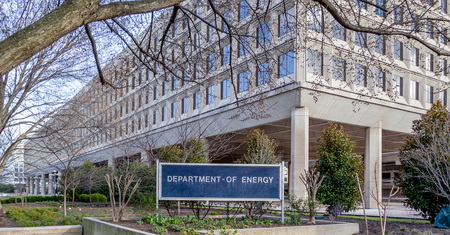
- The U.S. Department of Energy (DOE) also on Wednesday proposed a rule that would establish the first-ever emissions standards for new federal construction and major renovations. Like the Federal BPS for existing federal assets, DOE’s proposed rule “aims to accelerate” electrification by phasing out on-site fossil fuel usage for heating and hot water. (DOE news release)
- The White House also announced this week that California has joined the National Building Performance Standards Coalition, a group of over 30 states and localities committed to adopt BPS policies by Earth Day 2024. (White House Fact Sheet)
The White House’s announcements touted DOE’s Better Climate Challenge—a voluntary “pledge” that includes Roundtable members as “partners” who have committed to reduce portfolio-wide scopes 1 and 2 emissions by at least 50% within 10 years. The Roundtable is an “ally” supporting DOE’s Challenge. (Roundtable Weekly, March 4)
# # #

 The Treasury Department and Internal Revenue Service (IRS) issued