The Roundtable’s policy news digest will resume publication on Friday, January 10, 2025
Recent issues of Roundtable Weekly can be searched by keyword here.
The Roundtable’s policy news digest will resume publication on Friday, January 10, 2025
Recent issues of Roundtable Weekly can be searched by keyword here.

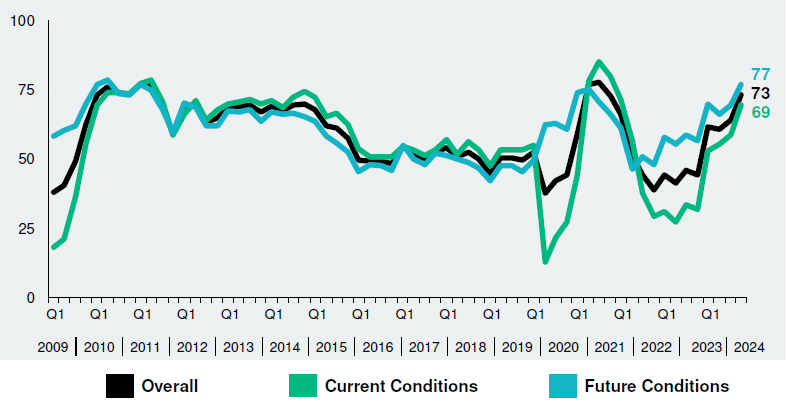
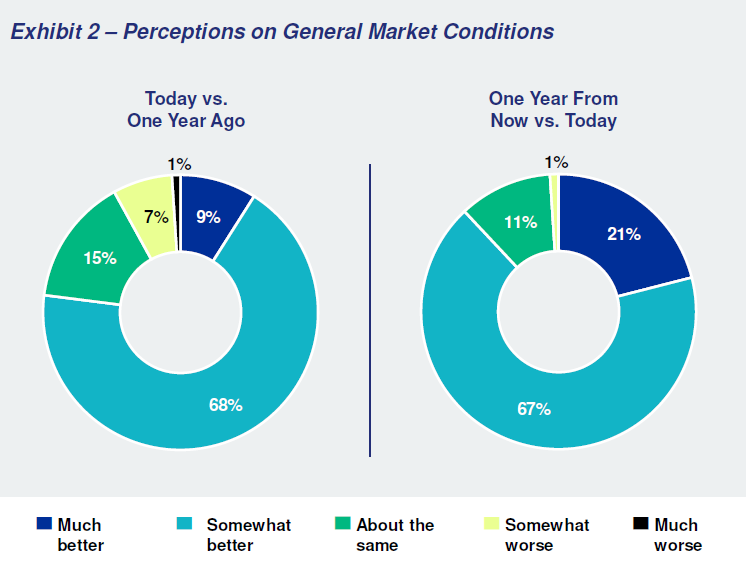
The Real Estate Roundtable’s Q4 2024 Sentiment Index reached an overall score of 73, up 9 points from the previous quarter and marking its highest score since Q4 2021. The three year high reflects industry leaders’ cautious optimism that commercial real estate markets are stabilizing, showing signs of recovery and becoming well positioned for activity in 2025.
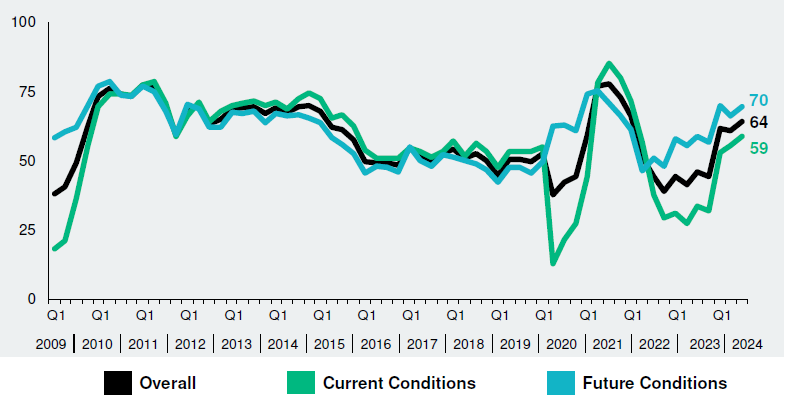
The Index, which measures commercial real estate executives’ confidence and expectations about the industry environment, is scored on a scale of 1 to 100 by averaging the scores of Current and Future Economic Sentiment Indices. Any score over 50 is viewed as positive.
Roundtable Perspective
Topline Findings

Data for the Q4 survey was gathered by Chicago-based Ferguson Partners on The Roundtable’s behalf in October. See the full Q4 report.

The 2024 election cycle concluded this week, with Donald J. Trump elected as President of the United States. The Roundtable congratulated the President-elect and the newly elected members of Congress. As the nation transitions to new leadership, The Roundtable is looking forward to collaborating with the new administration and Congress on policies critical to the economy, jobs, housing, and the health of real estate markets.
Election Results
Focused Hard Work Ahead Regarding Tax Legislation, Deregulation, and Housing Policy Shifts

Roundtable Statement

Earlier this week, Roundtable President and CEO Jeffrey D. DeBoer issued a statement congratulating President-elect Trump and pledging to work with the new administration and Congress on pressing commercial real estate issues.
“We look forward to working with the President-elect and his team to advance policies that will expand the nation’s economy, boost job creation, increase the supply and affordability of housing, and address the many important national policy issues related to constructing, financing and maintaining modern real estate, work, living, and recreational buildings.
Strong real estate markets provide millions of American jobs, support strong local budgets, and help millions of people plan for retirement through their pension and retirement savings investments in real estate.
The strength of real estate and the benefits the industry provides to all Americans, depends on fair, consistent, and forward-looking policies at all levels of government.
Real estate public policies are nonpartisan. The Real Estate Roundtable supports policies based on objective economic principles that are responsive to changing economic cycles and sensitive to societal demands.
Tax and financial regulatory reform, housing investment, immigration issues, energy policy, and physical and cyber security each present opportunities to advance the economy and stability of U.S. real estate markets.
We are excited to offer our support, expertise and assistance to President-elect Trump and the new Congress. We are honored to contribute meaningfully to the strength and prosperity of our nation,” said DeBoer.

Last week, The Roundtable hosted a Zoom Town Hall to discuss the upcoming election, along with policy priorities for the lame-duck session and the upcoming year. (Watch Town Hall)
Town Hall

Election Forecast
Roundtable Policy Priorities: What’s Next?

RER’s Real Estate Capital Policy Advisory Committee (RECPAC) will be meeting in person on November 19, 2024 in New York to discuss the outcome of the election on the political landscape, the economic outlook, capital and debt markets and much more.

Commercial real estate owners face soaring insurance costs as back-to-back hurricanes place financial strain on insurers and the National Flood Insurance Program (NFIP). The implications for property owners, especially in coastal areas, are severe, with insurance premiums skyrocketing and coverage harder to secure.
Storm Impact and Market Challenges

Federal Challenges and Response
NFIP Under Pressure

The Roundtable, along with its industry partners, continues to work constructively with policymakers and stakeholders to address commercial insurance gaps and rising costs. RER will continue advocating for targeted policy solutions that can help alleviate increased insurance costs for housing providers nationwide.

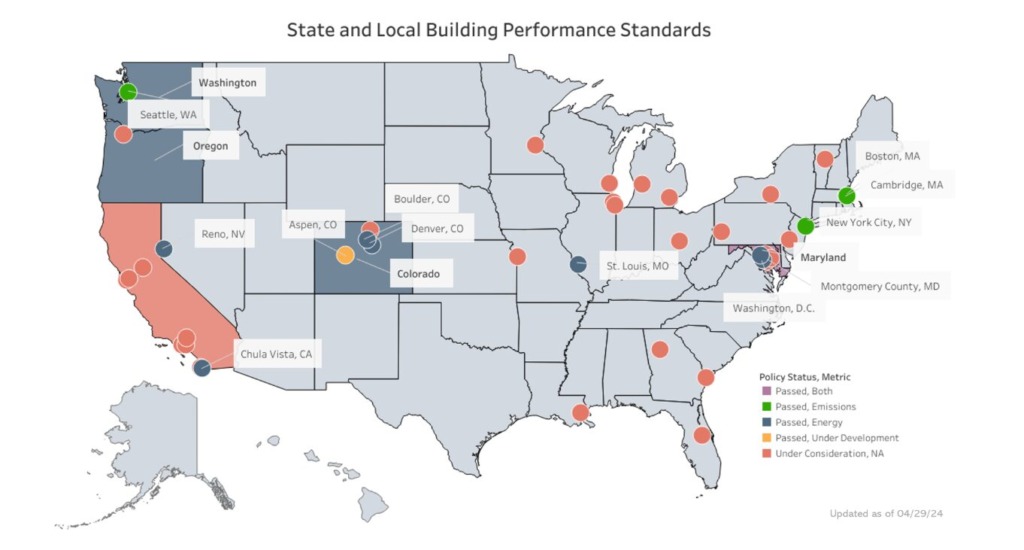
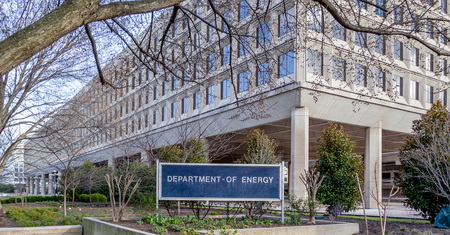
The Real Estate Roundtable urged the U.S. Department of Energy (DOE) on Wednesday to follow a newly released policy guide as the agency awards grants for states and localities to develop Building Performance Standards (BPS). The guidebook developed by the Roundtable’s Sustainability Policy Advisory Committee (SPAC) reflects RER’s ongoing commitment to addressing climate change while ensuring the economic sustainability of real estate investments and the communities they support. (Letter, Oct. 8)
Building Performance Standards (BPS)

BPS Policy Guide: 20 Key Points
RER welcomes engagement on the 20-point policy guide to help craft BPS laws that are fair and effective.

(WASHINGTON, D.C.) — The Real Estate Roundtable’s Q3 2024 Sentiment Index, which measures commercial real estate executives’ confidence and expectations about the industry environment, suggests a growing confidence in the future of the commercial real estate market despite ongoing challenges. The Q3 Sentiment Index reported an overall score of 64, reflecting an increase of three points from the previous quarter, and the Future Index at 70, up four points from the previous quarter. This rise in sentiment marks an 18-point increase in the overall score since last year.
Roundtable President and CEO Jeffrey DeBoer said, “The increase in our Q3 Sentiment Index indicates that while uncertainty remains, the industry is gradually regaining confidence. Leaders are seeing signs of stabilization in asset values and a potential improvement in the availability of capital, which are encouraging signals as we navigate this complex environment.”
He added, “The results of the report reflect the resilience of the commercial real estate industry. The fact that a majority of executives expect better conditions in the coming year is a strong signal that although serious challenges remain, the worst may be behind us.”
The Q3 Sentiment Index topline findings include:
Some sample responses from participants in the Sentiment Index’s Q3 survey include:
“Investors still want to allocate dollars to real estate, but there is still sentiment for defensive positioning and risk mitigation.”
“Pricing is all over the board and has reset since the post-Covid boom. The magnitude of the reset depends on where the asset is in its life cycle and its financing structure.”
“Banks have pulled back, but insurance companies have a reasonable level of capital and pricing has been stable. For higher quality assets, there’s demand.”
“Spreads are tightening on construction loans, but acquisition financing is more available. There is a lot of debt capital on the sidelines for high quality asset acquisitions.”
Data for the Q3 survey was gathered by Chicago-based Ferguson Partners on The Roundtable’s behalf in July. See the full Q3 report.
The Real Estate Roundtable brings together leaders of the nation’s top publicly-held and privately-owned real estate ownership, development, lending and management firms with the leaders of major national real estate trade associations to jointly address key national policy issues relating to real estate and the overall economy.
# # #

On August 27, the U.S. Department of Energy announced plans to allocate $240 million from the Inflation Reduction Act (IRA) to 19 state and local governments to help communities adopt energy-efficient building codes and retrofit structures to meet updated standards. (Politico, Aug. 27)
Key Details
What’s Next
The Roundtable is developing a “primer” for real estate stakeholders, highlighting key issues in the state and local BPS trend, with a release planned for this fall.

In July, the White House announced a nationwide rent control plan that aims to cap rent increases at 5%. Owners of rental housing would only be able to take advantage of depreciation write-offs if they limit annual rent increases to no more than 5%, effectively trading depreciation deductions for price controls.
Economists on Rent Control Proposals
Survey Findings:
The Roundtable will continue to encourage policymakers to enact measures that will expand the nation’s housing infrastructure, develop more affordable units and reduce the costs of housing.

Today, The Roundtable wrote to U.S. Treasury Secretary Janet Yellen requesting that the Treasury Department provide additional clarifying guidance regarding transition relief in the Foreign Investment in Real Property Tax Act’s (FIRPTA) regulations for domestically controlled REITs. (Letter)
Key Concerns
Roundtable Advocacy

The Roundtable remains committed to collaborating with the Treasury to ensure that the final regulations can provide much-needed clarity and stability, supporting the industry’s efforts to attract foreign capital and drive economic growth.