
Coalition Statement on Making Housing More Affordable for Americans

(WASHINGTON, D.C.) — The United States is facing a housing affordability crisis driven by demand exceeding supply, causing a shortage of all types of housing—homes for sale, homes for rent, apartments, duplexes and others—that has been decades in the making. For too long, families and communities throughout the country have struggled with the high cost of housing.

The undersigned organizations appreciate the Trump Administration’s ongoing commitment to reducing housing costs and broadening housing opportunity by exploring solutions that will expand the number of homes available—the only real solution to housing affordability. While there is no single policy solution, we know it will require public and private partnerships collaborating with communities nationwide to build the housing America needs.

The cost of housing is one of the most critical issues facing many Americans. The only way to lower the cost of mortgages and rent is by encouraging, not hindering, investment and constructing the housing that individuals and families can build lives upon.

President Trump has made increasing housing supply and addressing today’s shortage a top priority, and rental housing providers are the very organizations to partner with to solve our housing affordability challenges.

As a coalition, we urge policymakers of both parties and at all levels of government to embrace solutions that will have the greatest positive impact on housing supply and make a meaningful difference in Americans’ lives by building the housing our nation needs.

We look forward to learning more about the Administration’s housing proposals and partnering with the Administration in developing a national housing policy that will ensure that generations of Americans have the freedom to choose from a wide range of affordable housing options.

Download Statement

Council for Affordable and Rural Housing

Institute of Real Estate Management

Manufactured Housing Institute

NAIOP, Commercial Real Estate Development Association

Nareit

National Association of Housing Cooperatives

National Affordable Housing Management Association

National Apartment Association

National Association of Home Builders

National Leased Housing Association

National Multifamily Housing Council

National Rental Home Council

The Real Estate Roundtable 

RER Statement on Restricting Institutional Investment in Single-Family Housing

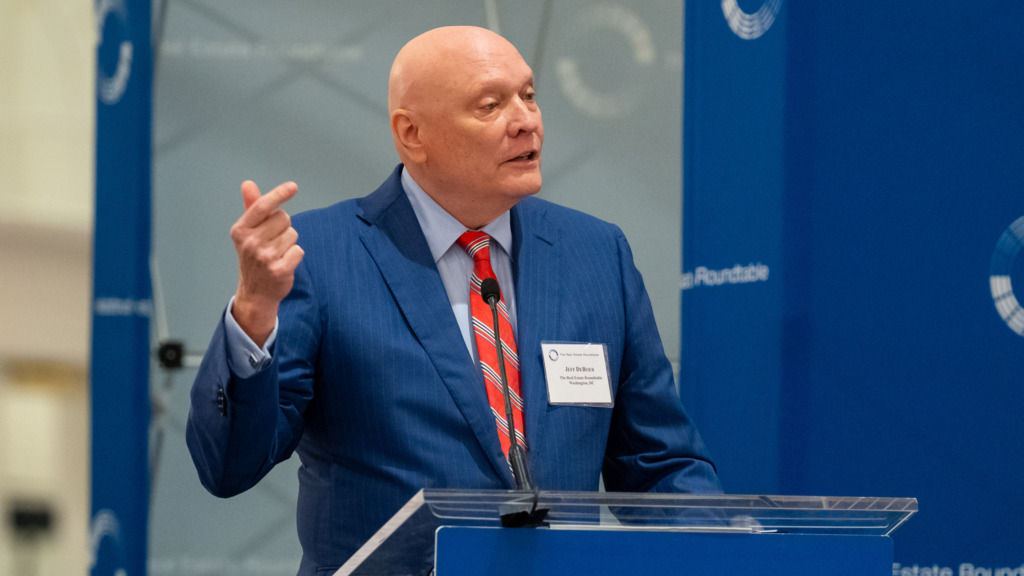
Statement by Real Estate Roundtable (RER) President and CEO Jeffrey D. DeBoer

(WASHINGTON, D.C.) — “Access to affordable housing is central to the American Dream, a dream that for some families means renting a home and for others means owning a home.

For more than a decade, our nation’s supply of both owner-occupied and rental housing has, for a variety of reasons, not kept up with demand.

This gap between supply and demand is the true cause of today’s housing crisis.

The supply of housing must be increased.

This will require, among other actions, common sense policy reforms to local permitting and zoning regulations, recognizing in both national and local policy actions the reality of escalating labor and material costs and, importantly, the need to maintain and improve incentives to encourage the capital needed to develop, redevelop, and modernize the nation’s housing stock.

We work with all policymakers to advance initiatives that remove barriers to housing development, incentivize capital investment in housing, and help people achieve the American Dream.”

House Committee Advances Roundtable-backed Housing Package and Flood Insurance Bill

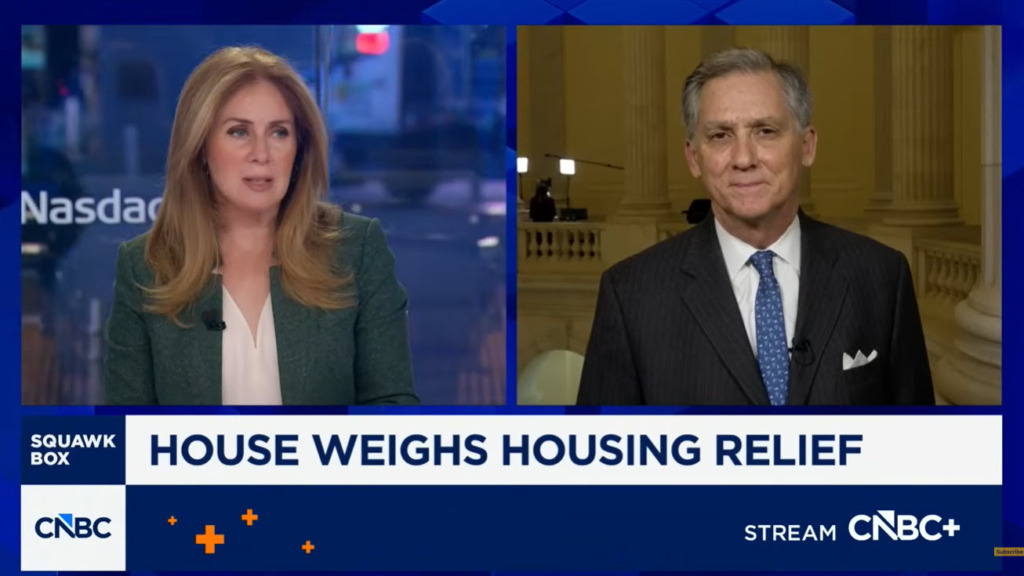
This week, the House Financial Services Committee (HFSC) advanced 20 bills during a two-day markup session—including the bipartisan Housing for the 21st Century Act (H.R. 6644), which contains numerous reforms championed by The Real Estate Roundtable (RER) and a coalition of national real estate and housing organizations. (Letter, Dec. 15)

Comment Letter Highlights

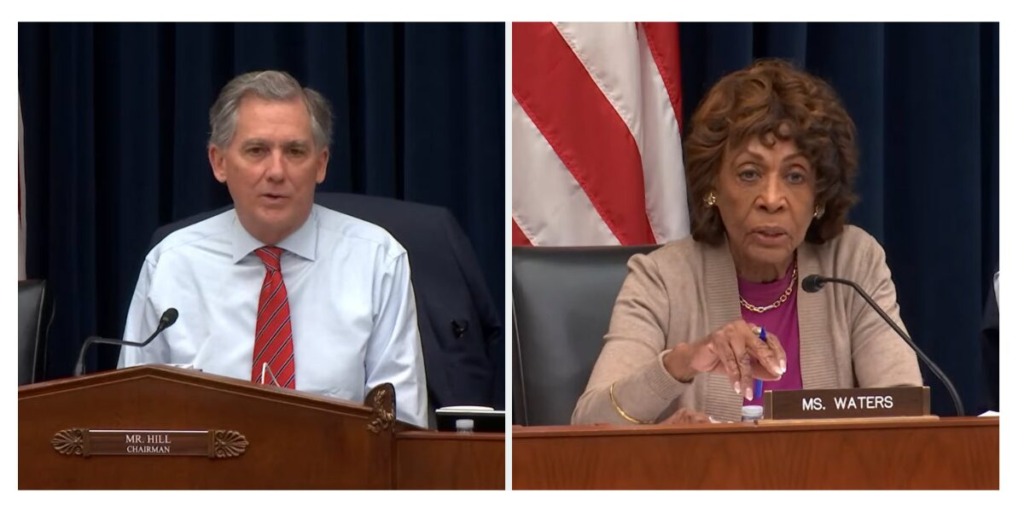
  • Ahead of the two-day markup session, RER and a coalition of 11 other housing, finance, and real estate groups sent a letter to HFSC Chair French Hill (R-AR), Ranking Member Maxine Waters (D-CA), and housing subcommittee leaders expressing support for the Housing for the 21st Century Act and the committee’s broader efforts to expand affordable housing. (Letter, Dec. 15)
  • The coalition commended the committee’s bipartisan approach and highlighted H.R. 6644 as a “meaningful step toward addressing one of the most urgent challenges facing our nation: expanding housing supply for both renters and homeowners and improving affordability for working families.”
  • The letter focused on key provisions of the HFSC’s bill, such as modernizing and streamlining federal housing programs, removing unnecessary federal requirements, expanding financing pathways, promoting manufactured housing as cost-effective solutions, and more.
  • The coalition also warned that housing affordability is driven by sustained underproduction, rising construction costs, regulatory delays, and outdated standards, and emphasized that no single policy change can address these pressures alone.

Housing for the 21st Century Act Advances

  • Co-sponsored by Chair Hill and Ranking Member Waters, the Housing for the 21st Century Act received near-unanimous support this week—with the Committee voting 50-1 for its passage.
  • The Housing for the 21st Century Act incorporates some elements of the bipartisan ROAD to Housing Act, which was approved by the Senate in October before stalling after House Republicans signaled they wanted more scope to advance their own housing legislation. (Roundtable Weekly, Dec. 12)
  • A key feature of the House’s bill is an update to the HOME Investment Partnerships Program aimed at reducing red tape and expanding eligibility.
  • The bill also streamlines environmental review rules and enhances oversight of housing providers, among a range of other reforms.  
  • Chair Hill called the bill “historic” and said that it will “get to the root of the housing affordability challenges our country has experienced for the last several years.” (Chair Hill Press Release, Dec. 17)
  • The measure is now expected to go to a House floor vote in early 2026. (Housing Wire, Dec. 17) 

NFIP Reauthorization Advances

  • Additionally, the HFSC advanced the NFIP Extension Act of 2026 (H.R. 5577) to reauthorize the National Flood Insurance Program through Sept. 30, 2026.
  • While lawmakers emphasized the need for long-term reform, there was broad consensus that avoiding a lapse is essential ahead of the program’s Jan. 19 expiration.
  • RER has consistently supported long-term NFIP authorization and program reform.

RER will continue to engage with policymakers in support of legislation that increases housing supply and ensures that property owners can access the insurance protection that they need from increasingly costly natural disasters.

What the Government’s Reopening Means for CRE Policy Priorities

The new stopgap extends government funding only through Jan. 30, leaving appropriators less than two months to complete the remaining FY2026 bills. With the government reopened, housing, permitting, tax, and energy policy issues are again at the forefront of congressional debates. (PoliticoPro, Nov. 13)

Housing

  • HOME Program: House Financial Services Housing and Insurance Subcommittee Chair Rep. Mike Flood (R-NE) plans to restart bipartisan work on legislation updating HUD’s HOME Investment Partnerships Program, which supports affordable housing development for low-income households. Rep. Flood hopes to hold a hearing with HUD Secretary Scott Turner, though the compressed calendar may limit year-end action. (PoliticoPro, Nov. 13) (Roundtable Weekly, July 18, Sept. 5)
  • Housing Supply: The Housing Supply Expansion Act of 2025 (S.2414) is a proposed set of provisions, not a standalone bill, that aims to increase housing supply by modernizing regulations and streamlining development processes. Key components include eliminating the permanent chassis requirement for manufactured homes to lower costs, simplifying environmental review processes, and providing incentives for local governments to adopt more pro-growth housing policies. It is part of broader legislative packages like the ROAD to Housing Act of 2025 (S. 2651) and the Strengthening Housing Supply Act of 2025 (H.R.5077).
  • The ROAD to Housing Act of 2025 (S. 2651), included in the Senate-passed National Defense Authorization Act (NDAA), is on track for a House vote in December, according to House Armed Services Chair Mike Rogers (R-AL). (PoliticoPro, Nov. 14) (Roundtable Weekly, Oct. 17)
  • Portable Mortgages: Federal Housing Finance Agency (FHFA) Director Bill Pulte said Wednesday the administration is actively evaluating portable mortgages, which would allow homeowners to transfer an existing mortgage rate when buying a new home, an attempt to break the current “lock-in effect.” (Bloomberg, Nov. 12)
  • RER President and CEO Jeffrey DeBoer raised a similar supply-focused idea during the National Summit on the Housing Affordability Crisis in September. He noted that affordability challenges stem from constrained supply, limited mobility in the for-sale market, and high development costs—and that portable mortgage–style tools could be part of the solution. (Roundtable Weekly, Sept. 5)

Permitting & Energy

  • Permitting remains one of the most consequential issues for real estate investment, energy transmission, construction timelines, and infrastructure reliability. House Republicans are preparing a major overhaul aimed at accelerating approvals of energy and infrastructure projects. (Roundtable Weekly, Oct. 10)
  • House Outlook: House Natural Resources Chair Bruce Westerman (R-AR) plans to mark up the SPEED Act, co-led by Rep. Jared Golden (D-ME), which would streamline NEPA reviews and limit legal challenges. Democrats secured “permit certainty” language to prevent agencies from indefinitely stalling approvals. (PoliticoPro, Nov. 12)
  • “To keep energy prices from escalating, we have to build more energy and more energy infrastructure, or the supply and demand is going to overpower any policy you can do in Washington D.C.,” Westerman said. “We’ve got to get electricity prices stabilized.” (PoliticoPro, Nov. 12)
  • Senate Outlook: Broader Senate negotiations may include updates to Clean Water Act reviews and reforms to transmission siting, both critical for meeting surging electricity demand from AI data centers and maintaining grid reliability.

Tax and Tariff Policy

  • Section 899: The U.S. continues to push for Organization for Economic Cooperation and Development (OECD) ratification of its carveout from the global minimum tax agreement (Pillar Two). Without an agreement, Republicans could revive legislation to enact “retaliatory tax measures” against foreign companies and taxpayers, including real estate investors, that reside in countries deemed to impose discriminatory taxes. (PoliticoPro, Nov. 13)
  • Over the weekend, President Trump floated the idea of issuing tariff rebate checks to American taxpayers, a “dividend” he suggested could total at least $2,000 per person, excluding high-income households. (ABC News | Bloomberg, Nov. 10)
  • These proposals have renewed speculation that Congress may pursue a tax package next year. A tax bill, pursued through budget reconciliation rules, could be a vehicle for other tax proposals related to health care, housing, and affordability issues.

Roundtable on the Road

  • This week, Jeffrey DeBoer participated in the Stanford Professionals in Real Estate (SPIRE) 2025 SREC Fall Conference in California with RER board member Michael Lowe (Co-CEO, Lowe), where he discussed the reopening of the government, the path ahead on appropriations, and RER’s policy priorities.
  • He also highlighted how recent election results have intensified focus on housing affordability, permitting reform, and practical policy solutions that support real estate investment and community growth.

RER will continue working with lawmakers to provide insights and advance practical solutions as Congress moves into a compressed legislative window.

Senate Passes Bipartisan ROAD to Housing Act

The U.S. Senate passed the Renewing Opportunity in the American Dream (ROAD) to Housing Act of 2025 (S. 2651) on Oct. 9, as part of its version of the National Defense Authorization Act (NDAA)—marking the first bipartisan, comprehensive housing package advanced in more than a decade. (MultiFamily Dive, Oct. 15)

ROAD to Housing Act

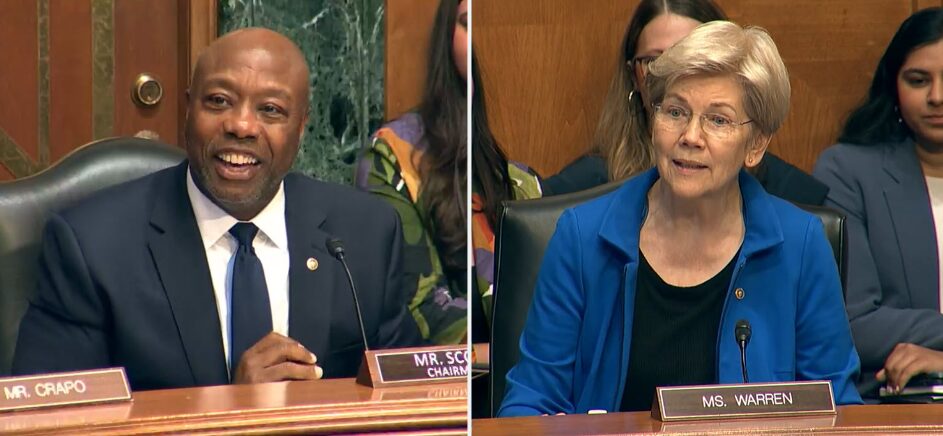
  • Introduced by Senate Banking Committee Chair Tim Scott (R-SC) and Ranking Member Elizabeth Warren (D-MA), the bipartisan bill passed the committee 24–0 in July before its inclusion in the NDAA. (CRE Daily, Oct. 14)
  • The legislation builds on years of bipartisan committee work, stakeholder engagement, and multiple hearings. It focuses on streamlining regulations, incentivizing construction, modernizing housing finance and disaster-recovery programs, and supporting vulnerable populations such as veterans and the homeless. (HousingWire, Oct. 10)
  • The bill incentivizes states and cities to boost housing supply by cutting red tapestreamlining federal inspections, and eliminating duplicative regulations. (The Hill, July 29)
  • Key pillars of the bill focus on expanding and preserving supply, improving affordability and access, enhancing accountability and fiscal responsibility, and strengthening oversight of federal housing programs. (Press Release, Oct. 9 | Roundtable Weekly, Aug. 1)
  • The legislation contains more than 40 provisions contributed by every committee member and reflects a coordinated effort to modernize housing policy at the federal level. (Politico, July 29 )
  • Sen. Warren said, “This landmark legislation—the first of its kind in more than a decade—takes important steps to boost the nation’s housing supply, improve housing affordability, and increase oversight and efficiency of federal regulators and housing programs. I look forward to working with my colleagues in the House to get the bill to the President’s desk.” (Press Release, Oct. 9)

What’s Next

  • The bill now heads to the House of Representatives for consideration before going to the President’s desk to be signed into law.

Roundtable on the Road

  • This week, RER President and CEO Jeffrey D. DeBoer was a featured speaker at NYU Stern’s Chen Institute National Apartment Finance & Investment Summit, where he was interviewed by Gregg Gerken (Former Head of Commercial Real Estate and Executive Vice President, TD Bank) on national policy outlook, housing affordability, housing finance reform and agency privatization, and capital availability.
  • “Safe, affordable housing is essential to strong communities and a healthy economy,” said DeBoer. “The nation’s chronic underbuilding has created an affordability crisis that demands coordinated action. The ROAD to Housing Act that recently passed reflects the kind of public-private collaboration needed to address the housing shortage by aligning federal incentives with local action to unlock private capital, expand supply, and strengthen communities nationwide.”

RER will continue engaging with policymakers and industry leaders to promote bipartisan solutions and regulatory reforms that expand housing supply, improve affordability, and strengthen economic stability.

Flood Insurance Lapse Highlights Need for Long-Term Reform

The National Flood Insurance Program (NFIP) expired Oct. 1 as partisan gridlock in Washington dragged into a second week, halting new policies and renewals for millions of Americans and real estate transactions in flood-prone areas.

State of Play

  • The NFIP’s lapse stems from the broader government shutdown fight, with each party blaming the other for inaction. (E&E News, Oct. 8)
  • House Republicans say Democrats have repeatedly blocked their short-term funding bill, which includes a seven-week NFIP extension. Democrats counter that GOP leaders have refused to hold a stand-alone vote on reauthorization while keeping the House largely in recess.
  • Speaker Mike Johnson (R-LA) said the NFIP “will be reauthorized in due course,” but called the program’s lapse one of several “leverage points” in the broader negotiations. (E&E News, Oct. 8)
  • Senate Majority Leader John Thune (R-SD) on Tuesday cited the NFIP in floor remarks for the first time since the shutdown began, calling it one of several programs Democrats are stalling by opposing the GOP’s plan to reopen the government.
  • Meanwhile, FEMA has paused NFIP operations, unable to issue new policies or renewals. The program also cannot ensure payment of claims if major flooding occurs during the shutdown.

Roundtable Advocacy

  • The Real Estate Roundtable (RER) continues to urge Congress to enact a sustainable, long-term NFIP reauthorization with appropriate reforms.
  • A robust and stable program is essential for residential markets, catastrophe insurance capacity, and the broader economy. (Roundtable Weekly, Sept. 19)
  • Lawmakers from both parties have long called for an overhaul and signaled interest in pursuing longer-term reforms to the program.
  • The rising cost of insurance premiums due to the growing number of billion-dollar natural disasters reinforces the importance of the NFIP.
  • While Congress has typically renewed the NFIP retroactively after past lapses, there is no guarantee this time. A delayed reauthorization could further disrupt real estate markets and delay policy effective dates. (NAHB, Oct. 1)

Housing Impact

  • The National Association of Realtors (NAR) estimates the lapse could stall or cancel about 1,400 home sales per day until the NFIP resumes operations. (NYT, Oct. 9)
  • “Each day that passes during the shutdown, potential real-life impacts will be felt in America’s housing market, which accounts for nearly 20% of the US economy,” said Shannon McGahn, (EVP and Chief Advocacy Officer, NAR) (Bloomberg, Oct. 9)
  • NFIP provides $1.3 trillion in flood insurance to 4.7 million policyholders across 23,000 communities. It underpins nearly 500,000 home sales annually, supports 1 million jobs, and contributes $70 billion to the U.S. economy. (NAR, Oct. 7)
  • While some private insurers are expanding their offerings, they still represent only a fraction of the market—and typically charge higher premiums, adding costs for homebuyers. (Bloomberg, Oct. 9)

Congressional leaders have vowed to revisit flood insurance reauthorization once the government restores funding. RER will continue to advocate for a long-term NFIP solution.

Roundtable Releases 2025 Annual Report

The Real Estate Roundtable (RER) is pleased to share our 2025 Annual Report, A New Era for America’s Buildings: Policy to meet increased energy demands, new technology, and evolving living and working environments.

Roundtable Leadership

  • This year’s report highlights how RER’s engagement drove policy wins in tax, capital and credit, housing, energy, and homeland security, amid one of the most intense legislative years in recent memory.
  • It also underscores commercial real estate’s vital role in powering jobs, growth, and communities nationwide, while ensuring our industry’s trusted voice is heard at the highest levels in Washington.
  • “The pace and complexity of policy this past year has been unprecedented, requiring rapid and well-coordinated responses,” said Jeffrey DeBoer, RER President and CEO. “Thanks to the engagement and expertise of our members, policy committees and national real estate partners, we have met each legislative challenge with substance, speed and credibility. I believe the past 12 months have been among the most challenging and most successful in our history.”
  • “In the year ahead, we will continue to evolve how we communicate our mission, align our membership with the future of the industry and focus on the most urgent issues,” said Kathleen McCarthy, RER Chair and Global Co-Head of Blackstone Real Estate. “Real estate anchors our communities and touches every part of American life—from where people live and work to how businesses grow. As the nation faces a housing crisis and urgent energy challenges, public policy must support a strong, resilient real estate sector that drives solutions, fuels economic growth and improves quality of life and opportunity for all.”

Explore the 2025 Report

  • RER’s FY2025 Annual Report details the organization’s mission and recent activities, and offers potential policy solutions to today’s pressing and far-reaching industry challenges, including:

  • Intro featuring Q&A with Kathleen McCarthy and Jeffrey DeBoer

Printed copies of the Annual Report are currently being mailed to members. If you would like additional copies, please email agrenadier@rer.org

Senate Advances FY’26 Spending Bills Preserving Key Transportation, Housing and EPA Programs

The Senate Appropriations Committee on Thursday advanced bills to fund rental assistance, transit-oriented development loans, ENERGY STAR, and other key programs important to real estate, for the federal fiscal year that starts Oct. 1. The measures come as congressional leaders rush to complete appropriations work ahead of the Sept. 30 funding deadline to avoid a government shutdown.

HUD Programs        

  • The full Senate Appropriations committee passed the “T-HUD” bill to fund the Departments of Transportation and Housing and Urban Development, on a strong bipartisan vote (27-1). (Senate Press Release, July 24) (PoliticoPro, July 24)
  • The bill allocates $73.3 billion overall to HUD—maintaining or increasing funding for rental assistance, homelessness services, and economic development. (Bill Summary | Text )
  • Project-based rental assistance would receive $17.8 billion, a roughly $900 million increase above FY25 enacted levels. This funding provides a full renewal of housing contracts serving about 1.2 million households.
  • Tenant-based rental assistance would receive $33.9 billion to renew Section 8 vouchers. (THUD bill report, p. 115) The Senate’s funding levels contrast with the Trump Administration’s May 2 proposal to significantly cut both tenant- and project-based assistance.
  • The Community Development Block Grant (CDBG) program would receive $3.1 billion, with $1.2 billion allocated for the HOME Investment Partnership program.
  • Last week, the House Appropriations Committee passed its version of T-HUD funding (Bill Text | Summary). The full House of Representatives has yet to vote on it. (Roundtable Weekly, July 18)

DOT Programs

  • The U.S. Department of Transportation (DOT) would receive $26.5 billion under the Senate T-HUD bill. (Senate press release, July 24).
  • This includes a modest increase (over current FY levels) for the Build America Bureau (BAB), which oversees the TIFIA/RRIF federal loan programs. These programs can provide favorable, long-term, low-interest federal loans for transit-oriented developments, including housing and property conversions near mass transit. (FAQs)
  • The funding bill’s underlying report (p. 22) explains that DOT and HUD shall establish a “task force” to improve the TIFIA/RRIF loan process, with a report due back to the House and Senate on ideas for removing “administrative and statutory barriers” to access financing.

EPA – ENERGY STAR

  • The Senate’s bill text specifies $36 million next fiscal year, for the popular ENERGY STAR program, recognizing leadership in energy-efficient buildings, homes, and products.
  • The underlying report language for the Senate bill states that the Appropriations Committee “recognizes the value of and continues to support ENERGY STAR” – with a directive for EPA to “report back” on its plans for the program’s future implementation.
  • On the House side on Tuesday, the Appropriations Committee likewise showed support for ENERGY STAR. It passed a “manager’s amendment” on voice vote, instructing EPA to fund ENERGY STAR in FY’26. (PoliticoPro, July 22)
  • RER has long urged the “business case” to support the ENERGY STAR program. It is working with multi-industry partners in the real estate, manufacturing, consumer tech, and retail sectors to explain to Congress and the Administration why ENERGY STAR is critical to the national “energy dominance” agenda. (Roundtable Weekly, June 6; May 23).  

Agency Reorganizations

  • It is not yet clear how any FY’26 funds appropriated by Congress may interact with particular internal plans from federal agencies to reorganize and eliminate programs.
  • An 8-1 decision in July by the U.S. Supreme Court allows the Trump administration to move forward with large-scale staff reductions and structural overhauls across 19 federal departments. (Politico, July 8)
  • As part of government-wide efforts triggered by the DOGE Executive Order, restructuring plans and layoffs are under consideration at the EPA. (Politico, July 17)

What’s Next

  • Senate Majority Leader John Thune (R-SD) has indicated that he wants to sign as many spending bills into law as possible, then use a short-term stopgap measure to cover the remaining agencies and avert a shutdown before the Sept. 30 deadline. (PoliticoPro, July 23)
  • Any specific agency reorganization and staff layoff plans may be released in the coming weeks.

RER will continue to monitor all developments on matters of appropriations and federal agency reorganizations relevant to real estate.

Housing Challenges and Economic Pressures Shape CRE Outlook

The intersection of housing shortages, escalating construction costs, and policy uncertainty is defining the commercial real estate (CRE) landscape as the second half of 2025 unfolds. Recent bipartisan legislative action on housing, along with fresh economic data, underscores the sector’s significant headwinds and potential opportunities.

Bipartisan Action on Housing Supply

  • Lawmakers introduced bipartisan legislation this week aimed at reducing local regulatory barriers to housing production. (ConnectCRE, July 24)
  • Rep. Flood (R-NE) emphasized the bill’s role in addressing “onerous local zoning policies,” aiming to facilitate increased housing construction. (PoliticoPro, July 23)
  • The legislation, previously known as the Yes in My Back Yard (YIMBY) Act, was passed by the House in 2018 and 2020 but stalled in prior sessions.

Housing Market Warning Signals

  • Moody’s Analytics Chief Economist Mark Zandi declared a “red flare” for housing this week, noting persistent mortgage rates near 7% and declining affordability.
  • He cautioned that housing could soon become a significant barrier to broader U.S. economic growth. (GlobeSt., July 22)

CRE Market Pressures

  • JLL’s Midyear Update presents a cautious outlook for CRE, highlighting stalled construction pipelines and lowered growth expectations for 2026, driven by uncertainties surrounding tariffs, labor market disruptions, and elevated interest rates. (JLL Midyear Update; Global Real Estate Outlook 2025)

  • JLL reports that material costs are estimated to rise 7 to 12 percent for the remainder of 2025, and construction labor growth is forecasted at just 1 percent, well below the average of 3 percent in recent years. (Commercial Property Executive, July 21)
  • Contractors report increased absenteeism, worsened labor shortages, and project delays exacerbated by intensified deportation enforcement.
  • RER Member Hamid Moghadam (CEO, Prologis) warned that “construction costs are going to go up radically,” saying, “all of this immigration stuff is putting more pressure on construction.” (GlobeSt., July 21)
  • Despite caution, some sectors remain bright spots, such as data centers, advanced manufacturing, and multifamily housing. Rebuilding efforts following natural disasters in states like California and Florida have also contributed to pockets of localized demand.
  • Federal Reserve policy uncertainty continues to weigh on CRE activity, exacerbated by recent tensions between the Trump administration and Fed Chair Jerome Powell. Markets are closely watching for clarity from the Fed’s July 29–30 meeting. (Financial Times, July 21) (NPR, July 24)

RER remains engaged in advocacy efforts to support policies enhancing housing supply, affordability, and economic stability. For more information, see our latest fact sheet on housing policy developments.

Congressional Hearing Highlights Policy Reforms to Boost Affordable Housing Supply

Bipartisan lawmakers this week discussed reforms aimed at reducing barriers to housing development and increasing supply during a congressional hearing on the nation’s housing shortage.

Key Takeaways

  • The House Financial Services Subcommittee on Housing and Insurance’s hearing, titled “HOME 2.0: Modern Solutions to the Housing Shortage,” highlighted the crucial need to expand the supply of affordable housing. (Committee Memo)

  • “This is a basic supply and demand issue,” said Rep. Mike Lawler (R-NY). “We are seven and a half million units underbuilt nationwide. We need to build more housing. Period.
  • Modernizing the HOME Investment Partnership (HOME) Program, administered by the U.S. Department of Housing and Urban Development (HUD), was also a prominent focus of the hearing. HOME is a flexible and effective federal tool that empowers states and localities to build, buy, and rehabilitate affordable housing.

  • Subcommittee Chairman Mike Flood (R-NE) cited four major cost drivers—lengthy environmental reviews, “Build America, Buy America” rules, Davis-Bacon wages, and Section 3 mandates—as the “four horsemen of the housing apocalypse” hindering the HOME Program.
  • Ranking Member Emanuel Cleaver (D-MO) similarly called for modernizing the HOME Program, highlighting the inefficiencies created by the “massive number of rules” placed on developers building safe, decent, and affordable housing.

  • Eric Oberdorfer, Director of Policy and Legislative Affairs at the National Association of Housing and Redevelopment Officials (NAHRO), also noted the importance of the low-income housing tax credit (LIHTC), which is often used in conjunction with the HOME program to finance affordable housing.

RER Advocacy

  • The Real Estate Roundtable (RER) has consistently emphasized that America’s affordability crisis is driven by chronically low housing production. Tackling this shortfall requires a national transformation in housing policy that makes it easier to build housing of all types.

  • Changes made by the One Big Beautiful Bill (OBBB) Act signed this month, including expansions to the LIHTC, are projected to support the development of up to 1.2 million affordable rental units over the next decade. (Roundtable Weekly, July 11)

  • RER strongly supports key reforms discussed at this week’s hearing, including easing Davis-Bacon prevailing wage requirements, which place inordinately high costs on construction projects and inhibit access to federal loan and other housing construction incentives, and the HOME Program (Roundtable Weekly, April 2024, May 2023).
  • In May, RER joined a coalition of 15 national real estate organizations urging the Labor Department to repeal and revise its 2023 Davis-Bacon rule, citing outdated wage classifications that inflate project costs by up to 20% and discourage participation in federally funded housing. (Roundtable Weekly, May 23)

RER will continue to champion policies to bolster the availability of safe and affordable housing. See our fact sheet on the topic for more information.