Key Regulators View Banks’ Office Loan Concentrations as Manageable Risk

Fed Chair Jerome Powell and Treasury Secretary Janet Yellen this week said that federal regulators are closely monitoring bank loan concentrations in office properties for heightened economic risk but view the CRE sector’s financial challenges as manageable. (60 Minutes’ Powell transcript, Feb. 3 and Bloomberg video of Yellen testimony, Feb. 6)

Regulators Focus on CRE

Federal Reserve Chairman Jerome Powell on 60 Minutes
  • Chair Powell told CBS’ 60 Minutes, “We looked at the larger banks’ balance sheets, and it appears to be a manageable problem. It’s a secular change in the use of downtown real estate. And the result will be losses for the owners and for the lenders, but it should be manageable.”
  • Secretary Yellen also said economic pressures on office properties are “manageable” before the House Financial Services Committee on Feb. 6 and the Senate Banking, Housing and Urban Affairs Committee on Feb. 8.  Her testimony included a summary of findings from the Financial Stability Oversight Council’s annual report, which noted, “Elevated interest rates, high costs, and potential structural changes in demand for CRE have heightened concerns about CRE.”
  • CNBC’s Squawkbox interviewed Minneapolis Fed Pres. Neel Kashkari on Feb. 7 about the regulators’ CRE concerns. “It really is focused on the office sector. Many other segments within commercial real estate seem to be doing very well, so I think that delineation is important. And we think it’s going to be on a bank-by-bank basis where we see pressures flare up. Our bank supervisors are in very close contact with others around the country,” Kashkari said.

CRE Markets
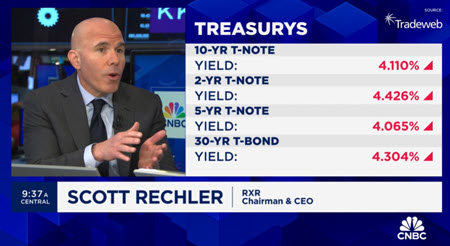
Real Estate •	Roundtable Board Member Scott Rechler (Chairman and Chief Executive Officer, RXR)
  • Roundtable Board Member Scott Rechler (Chairman and Chief Executive Officer, RXR) told CNBC’s Squawkbox on Feb. 6 that commercial real estate markets in 2023 were “a little bit paralyzed” but that “if you’re a borrower who’s willing to invest money, banks are willing to reduce their loan balances to reflect the current environment.” (CNBC, Feb. 6)
  • A recent CRED iQ report found that more borrowers are modifying CRE loans. The report covers 441 loans with a total value of $13.6 billion (GlobeSt. Jan. 25)
  • CNBC’s Last Call interviewed House Financial Services Committee Member French Hill (R-AR) about capital and credit pressures on CRE on Feb. 1. Rep. Hill addressed the negative impacts of interest rates, fiscal policy, and inflation on the economy and the office sector—and the problems posed by the regulatory agencies’ Basel III “Endgame” proposal.

Separately, The Federal Reserve Board recently announced that its Bank Term Funding Program will cease making new loans on March 11. The program remains available as an additional source of liquidity for eligible institutions until that date. (Fed news release, Jan. 24)

#  #  #

Roundtable SOI Meeting Spotlights Monetary Policy, Liquidity, and Capital

The Roundtable’s State of the Industry (SOI) meeting this week explored monetary policy, international capital flows, commercial real estate market sector updates, and other national capital and credit issues included in RER’s 2024 Capital and Credit Policy Priorities.

Policy and CRE Markets

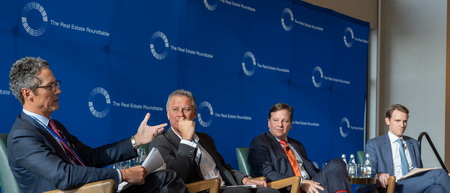
Debra Cafaro (Ventas) with former Fed Vice Chairman Randal Quarles
  • Debra Cafaro (Chairman & CEO, Ventas, Inc. | Immediate Past Chair, The Real Estate Roundtable) led a policy discussion with former Fed Vice Chairman Randal Quarles (Chairman, The Cynosure Group) on the “Basel III Endgame“ regulatory proposal to increase banks’ capital requirements; CRE loan exposure to the financial system; and the importance of retaining Fed independence from the political landscape.
  • CRE industry leaders offered market sector reports, including Roundtable Board Member Jodie McLean (Chief Executive Officer, EDENS) on retail; Thomas Toomey (Chairman and CEO, UDR) on multifamily; Dan Letter (President, Prologis) on industrial; Roundtable Board Member Owen Thomas (Chairman & CEO, BXP) on office; and Michael Lowe (Co-CEO, Lowe) on hospitality.
Foreign Investment panel during The Real Estate Roundtable's 2024 State of the Industry Meeting
  • Roundtable members also discussed market liquidity and international investment in U.S. real estate, including the negative impact of the Foreign Investment in Real Property Tax Act (FIRPTA) of 1980. A panel of experts included (left to right) David Friedline (Partner, Deloitte Tax LLP); Steve Hason (Managing Director, Head of Americas Real Assets, APG Asset Management US Inc.); Adam Gallistel (Managing Director, GIC Real Estate); and Max O’Neill (Managing Director, Blackstone). 
  • A presentation by Roundtable Senior Vice President Clifton E. (Chip) Rodgers, Jr. about the major capital and credit issues facing the industry can be downloaded here.

The Roundtable’s Real Estate Capital Policy Advisory Committee (RECPAC) plans to meet next in New York this spring.  Details on date, time and venue will be provided soon.

#  #  #

Roundtable and Industry Coalition Raise Concerns About Negative Impact of Basel III Endgame Proposal

The Real Estate Roundtable has raised concerns about the negative impact that the “Basel III Endgame” regulatory proposal would have on real estate credit and capital markets, urging federal banking regulators to withdraw their proposed rulemaking to increase capital requirements for banks with at least $100 billion in assets. The Roundtable’s letter Jan. 12 outlines how the proposal would decrease real estate credit availability, increase costs to commercial and multifamily real estate borrowers, and negatively impact the U.S. economy. (Roundtable comment letter)

Industry Opposition

  • The Roundtable letter states, “The largest U.S. banks’ capital and liquidity levels have grown dramatically since the original Basel III standards were implemented in 2013 in response to the 2008 Global Financial Crisis. So it is not clear what problem regulators are trying to solve with this proposed capital hike.”
  • The letter also noted that raising capital levels at the largest U.S. banks will only limit credit and feed a downward spiral that will put additional pressure on the financial system.
  • Additionally, The Roundtable filed a Jan. 16 letter, along with a coalition of nine national industry trade groups in opposition to the proposal, citing its potential negative impact on available credit capacity for commercial real estate transactions, market liquidity, and economic growth. (Industry coalition letter)

Fed Weighing Possible Changes

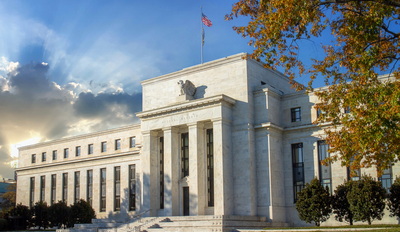
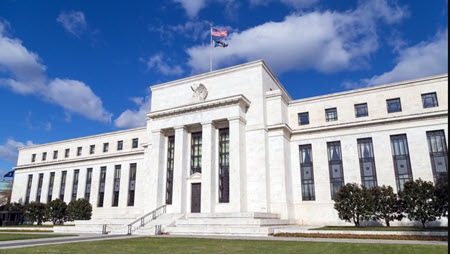
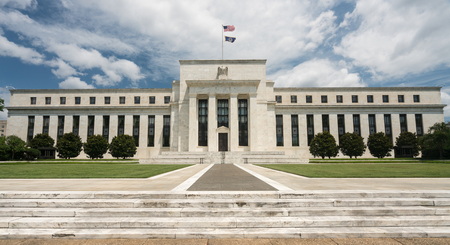
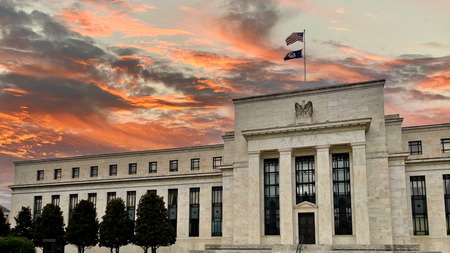
The Federal Reserve in Washington, DC

Federal Reserve officials are considering possible adjustments to key parts of the proposal, “including operational risk calculations and potential offsets for mortgage servicing,” according to the Federal Reserve’s Vice Chair for Supervision Michael Barr. “The public comment(s) that we’re getting on this is really critical for us getting it right. We take it very, very seriously,” Barr said. (Reuters and PoliticoPro, Jan. 9)

  • The Roundtable joined a coalition of 17 national trade associations in a letter to the Federal Reserve to oppose the proposal on Nov. 14. (U.S. Chamber of Commerce-led coalition letter, Nov. 14 and Axios, Nov. 16)
  • Real Estate Roundtable President and CEO Jeffrey DeBoer also stated in a March 2023 comment letter to Barr and other key regulators, “At this critical time, it is important that the agencies do not engage in pro-cyclical policies such as requiring financial institutions to increase capital and liquidity levels to reflect current mark to market models. These policies would have the unintended consequence of further diminishing liquidity and creating additional downward pressure on asset values.”

Wave of Impending CRE Maturities

  • This month’s Roundtable and industry coalition letters emphasize the banking proposal’s negative impact on real estate. The regulators estimate their own proposal would raise capital on the target institutions by 16% on average, which could have a profoundly negative impact on the availability of credit for commercial and multifamily real estate development—especially as interest rates remain high and the need for more affordable housing continues to grow.
  • The coalition letter also notes that the commercial and multifamily real estate industry is a $20 trillion dollar market supported by $5.82 trillion of commercial real estate debt, of which 50% is held by commercial banks.
  • Of that total debt, more than $2 trillion of CRE loans are maturing over the next four years. The letters address how the risks of raising capital levels at the largest U.S. banks would limit credit and exert downward pressure on the financial system.

National Media Reports Focus on CRE Pressures

Scott Rechler, left, speaks with 60 Minutes
  • This week, The Wall Street Journal reported on the impending wave of commercial real estate debt, which increases “the prospect of a surge in defaults as property owners are forced to refinance at higher rates.” The article also cited Trepp data showing that $602 billion in total debt backed by office buildings and other commercial real estate comes due in 2027. (WSJ, Jan. 16)
  • Additionally, CBS’ 60 Minutes on Jan. 14 televised a report on the pressures facing CRE that featured Roundtable Board Member Scott Rechler (Chairman and CEO, RXR), above left. “This post-COVID world of higher interest rates, the changing nature of how people work and live, we’re not going back to where we were,” Rechler said. “And it’s going to be turbulent.”

Capital and credit issues facing CRE will be a focus of discussion at next week’s all-member Roundtable State of the Industry meeting on Jan. 23-24 in Washington, DC.

#  #  #

The Roundtable and Coalition Request Reproposal of Basel III Capital Rulemaking as Banking Regulators Face Bipartisan Congressional Opposition

The Real Estate Roundtable joined a coalition of 17 national trade associations in a Nov. 14 letter to the Federal Reserve, urging regulators to repropose a sweeping set of proposed rules—known as the “Basel III Endgame”—that would increase capital requirements for the nation’s largest banks. Meanwhile, the nation’s top federal banking regulators testified this week before congressional committees, where they faced stiff bipartisan opposition to the proposal. (U.S. Chamber of Commerce-led coalition letter, Nov. 14 and Axios, Nov. 16)

Bipartisan Opposition

  • In July, the regulators jointly approved the 1,100-page proposed Basel III rulemaking, which aims to guard against potential risk by increasing capital requirements for banks with at least $100 billion in assets. The proposal could have a significant impact on available credit capacity for commercial real estate transactions, as well as undermine liquidity and economic growth. (Roundtable Weekly, Nov. 10 and CQ, Nov. 15)
  • Sen. Chris Van Hollen (D-MD) stated that higher capital standards could impede investment in clean energy while Sen. Bob Menendez (D-NJ) emphasized that higher capital requirements pose a risk for mortgage loans to low-income and minority buyers. (Axios, Nov. 14)
  • Before the hearings, Senate Banking Committee Ranking Member Tim Scott (R-SC) led 38 of his colleagues in a Nov. 13 letter to the Federal Reserve, Federal Deposit Insurance Corporation (FDIC), and Office of the Comptroller of the Currency (OCC) to withdraw the Basel III Endgame proposal.
  • House Financial Services Committee Chairman Patrick McHenry (R-NC) and Subcommittee on Financial Institutions and Monetary Policy Chairman Andy Barr (R-KY) also sent letters to the regulators on Nov. 14, claiming the Basel III regulations would put the nation’s financial system at a competitive disadvantage.

More Feedback for Basel III

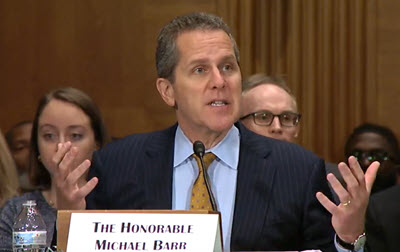
Federal Reserve Vice Chair for Supervision Michael Barr
  • During the hearings, the Fed’s Vice Chair for Supervision Michael Barr defended the proposals, yet responded that regulators are “quite open to comment, and we want to improve the rule before we get to a final rule.”
  • On Oct. 20, the Federal Reserve, FDIC, and OCC announced an extension of the comment period on the Basel capital proposal from Nov. 30, 2023 to Jan. 16, 2024. The agencies also launched a quantitative impact study to clarify the estimated effects of the proposal, with the data collection deadline also due Jan. 16.
  • Since the deadline for stakeholder comments is the same day as the impact study’s final data collection deadline, there is broad concern that the regulators’ failed to provide industry participants with an opportunity to assess and comment on any of the Agencies’ collected data.  (Roundtable Weekly, Oct. 27)

The Roundtable’s Real Estate Capital Policy Advisory Committee (RECPAC) discussed the capital requirements proposal during its Nov. 8 meeting in New York. RECPAC welcomes Roundtable membership input as it works on a Basel III comment letter due in January. (Contact Roundtable Senior Vice President Chip Rodgers)

#  #  #

Policymakers Address Basel III Endgame’s Capital Requirements Proposal

This week, policymakers addressed proposed regulations to increase capital requirements for the nation’s largest banks, known as the “Basel III Endgame,” which could have a significant impact on available credit capacity for commercial real estate transactions, as well as undermine liquidity and economic growth.

Congressional Hearings

  • The House Financial Services Subcommittee on Financial Institutions and Monetary Policy, chaired by Rep. Andy Barr (R-KY), held a Nov. 7 hearing focused on an array of federal financial regulations, including the Basel III proposal.
  • Chairman Barr stated that U.S. financial regulators have increasingly ceded portions of their authority to international and domestic intergovernmental organizations, which has decreased transparency in development of U.S. regulatory frameworks and reduced regulators’ accountability. (Barr’s opening remarks, Nov. 7 and Committee memo, Nov. 2)
  • House Financial Services Committee Chairman Patrick McHenry (R-NC) and Subcommittee Chairman Barr recently requested the Government Accountability Office (GAO) to examine the role U.S. federal banking agencies played in developing the recent international Basel proposal. (McHenry-Barr Letter, Oct 20)
  • The Senate Banking Committee announced that top U.S. financial regulators will testify on Nov. 14 about their sweeping plan to increase bank capital requirements.

Views from the Regulators

  • Federal banking regulators announced last month an extension of the comment period on the Basel capital proposal from Nov. 30, 2023 to Jan. 16, 2024. Additionally, the agencies announced a quantitative impact study to clarify the estimated effects of the proposal, with data collection due the same date as the comments—Jan. 16. (Fed news releases, Oct 20)
  • While the quantitative impact study is a positive development, the timing of the study fails to provide industry participants with the opportunity to assess its results or comment on the collected data before the Jan. 16 deadline. Regulators often grant the public ample time (120 days) to analyze and comment on such an impact study after it is released. (Roundtable Weekly, Oct. 27)
  • This week, Fed Governor Michelle Bowman criticized the scope of the Basel proposal in two speeches. On Nov. 7 and today, Governor Bowman stated, “While the capital proposal reflects elements of the agreed upon Basel standards, it is not a mere implementation of the Basel standards. In this proposal, the calibration—with a large increase in capital requirements for U.S. firms—far exceeds the Basel standards mandate. There has been growing support for improving the proposal’s quantitative, analytical foundations, including the need for and impact of capital increases of this scale.”

The Roundtable’s Real Estate Capital Policy Advisory Committee (RECPAC) met in New York City yesterday to discuss the Basel proposal, other federal policies impacting capital and credit issues, and market conditions. RECPAC has established a working group on Basel III to develop comments, due by Nov. 30, on the Basel III Endgame proposal.

#  #  #

SEC Commissioner and Key Senators Support Further Analysis of Climate Disclosure Proposal

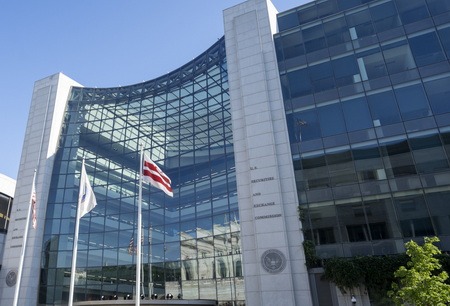
The U.S. Securities and Exchange Commission (SEC) headquarters in Washington, DC

One of the commissioners from the Securities and Exchange Commission (SEC) and two U.S. Senators suggested this week that further analysis may be needed for a highly anticipated SEC rule on climate reporting, which includes a proposal for sweeping disclosures on Scope 3 GHG emissions. (Bloomberg Law, Nov. 7 | SEC headquarters in Washington, DC, above)

Stakeholder Comments

  • Given that the SEC has received more than 16,000 stakeholder comments on the proposal, Republican SEC Commissioner Mark Uyeda said, “Before the Commission adopts any final rule that significantly deviates from the proposal, it should seriously consider re-proposing the rule with revised rule text and an updated economic analysis.” (Ayuda’s comments, Nov. 7 and The Hill, April 6)
  • SEC Chair Chair Gary Gensler indicated in March that the agency’s climate-related reporting rule may be scaled back. (CNBC, March 7 and Roundtable Weekly, March 10)

Senators Support Additional Feedback

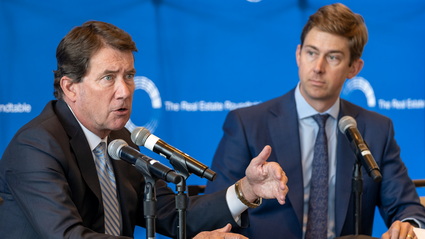
Sen. Bill Hagerty (R-TN), left 
Member, Senate Committee on Banking, Housing and Urban Affairs
and Roundtable Board Member Geordy Johnson (CEO, The Johnson Group)
Sen. Bill Hagerty (R-TN), left, and Roundtable Board Member Geordy Johnson (CEO, The Johnson Group) at The Roundtable’s 2023 Annual Meeting in June.
  • Sens. Bill Hagerty (R-TN) and Joe Manchin (D-WV) also expressed support this week for obtaining additional feedback about the SEC’s proposed rule. Sen. Manchin chairs the Senate Energy and Natural Resources Committee and Sen. Hagerty serves on the Senate Banking Committee. (Hagerty-Manchin letter and PoliticoPro, Nov. 9)
  • The lawmakers wrote to SEC Chairman Gary Gensler about recent California state laws that require companies to disclose their emissions, which beat the SEC to the punch on releasing final climate reporting rules. (Roundtable Weekly, Sept. 22 and The Real Estate Roundtable’s summary of the California legislation.)
  • The Senators’ letter states, “The interconnectedness of the California requirements and the SEC’s proposal is undeniable: thousands of businesses would end up being subject to both the California requirements and the SEC’s rule, if finalized. However, key differences between the two raise significant compliance questions that the SEC should thoroughly review.”

Roundtable Comments on Scope 3

Philadelphia center city
  • Scope 3 refers to indirect emissions that are part of an organization’s value chain but not owned or controlled by the reporting company. The 2022 SEC proposal would require corporate issuers of securities to estimate and report Scope 3 emissions “if material” in 10-Ks and other filings. (SEC News Release, March 22, 2022)
  • Roundtable comments submitted in June 2022 emphasized that the SEC’s proposed directive, which would mandate that companies report on Scope 3 emissions “only if material,” is a “back-door mandate” that should be dropped. The comment letter added, “No registrant should be effectively required to report on indirect emissions beyond its organizational or operational boundaries.” (Roundtable Weekly, June 10, 2022),

The Roundtable’s Sustainability Policy Advisory Committee (SPAC) plans to respond to any further developments on the SEC’s proposed climate disclosure rule or other climate-related regulatory proposals affecting CRE.

#  #  #

Federal Regulators Announce Extension of Comment Period and Quantitative Impact Study on Basel III Proposal

U.S. banking regulators issued two announcements on Oct. 20 related to their sweeping set of proposed rules to increase capital requirements for the nation’s largest banks, which could significantly affect liquidity available for commercial real estate transactions, impact asset values, and influence economic growth. The proposal, known as the “Basel III Endgame,” is the last major regulatory response designed to address failures from the global financial crisis of 2007-2008. (Bloomberg and Reuters, Oct. 20 | Roundtable Weekly, July 28)

Stakeholder Comments

  • The Federal Reserve, Office of the Comptroller of the Currency (OCC), and the Federal Deposit Insurance Corporation (FDIC) announced an extension of the comment period on the Basel capital proposal from Nov. 30, 2023 to Jan. 16, 2024. Additionally, the agencies announced a quantitative impact study to clarify the estimated effects of the proposal, with data collection due the same date as the comments – Jan. 16. (Fed news releases, Oct 20)
  • While the quantitative impact study is a positive development, the timing of the study fails to provide industry participants with the opportunity to assess its results or comment on the collected data before the Jan. 16 deadline. Regulators often grant the public ample time (120 days) to analyze and comment on such an impact study after it is released.
  • The Basel proposal will be among the topics discussed at The Roundtable’s Real Estate Capital Policy Advisory Committee (RECPAC) Nov. 8 meeting in New York. RECPAC welcomes membership input as it works on a comment letter on the announcements and proposal. (Contact Roundtable Senior Vice President Chip Rodgers)
  • In July, the regulators jointly approved the 1,100-page proposed rulemaking, which would substantially revise the regulatory capital framework for banking organizations with total assets of $100 billion or more
  • Real Estate Roundtable President and CEO Jeffrey DeBoer stated in a March 2023 comment letter to Fed Vice Chair Michael Barr and other key regulators, “At this critical time, it is important that the agencies do not engage in pro-cyclical policies such as requiring financial institutions to increase capital and liquidity levels to reflect current mark to market models. These policies would have the unintended consequence of further diminishing liquidity and creating additional downward pressure on asset values.

Congressional Opposition

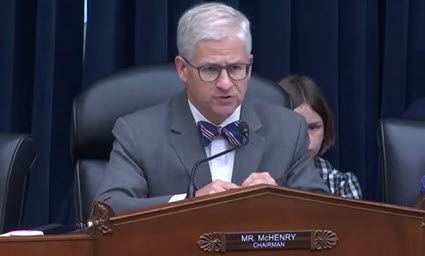
  • Last week, House Financial Services Committee Chairman Patrick McHenry (R-NC), above, and Financial Institutions and Monetary Policy Subcommittee Chairman Andy Barr (R-KY) requested the Government Accountability Office (GAO) to examine the role U.S. federal banking agencies played in developing the recent Basel proposal.  (McHenry-Barr Letter, Oct 20)
  • The House Republicans’ letter claimed the scope and process of the banking regulators’ plan is flawed, and noted how the proposal was opposed by some members on the Federal Reserve and FDIC Boards. Their letter concluded, “Given those fatal problems with your Basel III Endgame proposal, we urge that it be withdrawn.”

Goldman Sachs’ 10,000 Small Businesses Voices recently announced the launch of a multifaceted national media campaign that will urge the Federal Reserve to abandon the proposed Basel III Endgame regulation. The campaign will feature new survey data showing 87% of small business owners say it is important for their elected officials to weigh in with The Fed about the impact of new bank capital requirements.

#  #  #

Potential CRE Losses Cited as Major Economic Concern in Fed’s Financial Stability Report

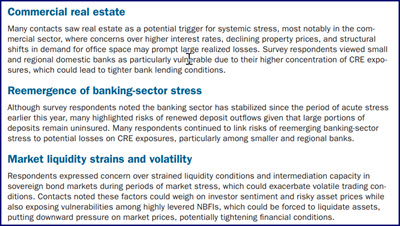
Elevated commercial real estate valuations are increasingly viewed as a near-term risk that could stress the U.S. financial system, according to the Federal Reserve’s October 2023 Financial Stability Report. The central bank’s semiannual report also cited inflationary pressures, interest rate increases, and global economic volatility as vulnerabilities—even though survey data was collected before the recent escalation of geopolitical tensions in the Middle East. (Fed’s Financial Stability Report, Oct. 2023)

CRE Risk Emphasized

  • Seventy-two percent of all participants in the Fed’s survey cited the potential for large losses on commercial real estate and residential real estate—along with persistent inflation and monetary tightening­—as major risks.
  • The CRE asset valuation problem noted in the Fed Report is influenced by an ongoing lack of price discovery, which creates significant refinancing challenges. GlobeSt reported Oct 24 on the report, noting that “With transactions down and many sellers holding off, waiting for improved pricing while a lot of buyers look for bargains in distress, it’s hard to tell how much properties should be worth.”

WorkPlace Return Pressure

  • The Fed report warns, “If the economy were to slow unexpectedly … investor risk appetite and asset prices might decline, and valuations in the office building sector appear particularly vulnerable given the ongoing uncertainty surrounding post-pandemic norms regarding return to work. A correction in office property valuations accompanied by even a mild recession could result in significant losses for a range of financial institutions with sizable exposures, including some regional and community banks and insurance companies.”

Additional risks that continued to feature prominently in the Fed survey were associated with the reemergence of banking-sector stress, market liquidity strains, and volatility.

#  #  #

2023 Loan Extensions Increase as Lenders and Borrowers Seek Workouts

Trepp

Approximately $5.65 billion in commercial real estate loans have been modified with extensions in 2023, with nearly 73% of the total from the office sector, according to a recent Trepp report. The rise in loan extensions—sparked by higher interest rates, lower valuations, and remote work—also come at a time when commercial mortgage-backed securities (CMBS) have been subdued. (Trepp CRE Research Report)

Modification Trend

  • Trepp reported that term increases of 1-12 months comprised the largest share (37%) of extensions. The largest quarter upon maturity came in Q2 2023, when $957 million in loans were extended.
  • Office properties comprised 72.9% of the total $3.2 billion in loan extensions, or roughly $2.4 billion. Trepp stated, “Of all property types, the office sector faces the steepest refinancing challenges as office properties are struggling with occupancy and financial performance in the post-pandemic era.” (Trepp CRE Research Report)
  • The increase in modifications follows a joint policy statement from federal regulators in June that encouraged financial institutions to work with borrowers on pending loan maturities. (Agencies’ joint statement, June 29 and National Law Review, July 9)

Roundtable Advocacy

Jeffrey DeBoer during Marcus and Millichap webinar

  • In March, The Roundtable had originally requested that federal regulators accommodate commercial real estate borrowers and lenders as the industry continued to endure a difficult time of historic, post-pandemic transition—and enthusiastically welcomed the Agencies’ subsequent, joint action. (Roundtable Weekly, June 30 and Roundtable letter to regulators, March 17)
  • During a Sept. 26 Marcus & Millichap webcast, Roundtable President and CEO Jeffrey (above) said, “We’re seeing some impact. Trepp put out a report about loan modifications and extensions. Time is the most important aspect for the most challenged part of our industry, office. We have to let time settle in and let businesses and employers determine how they want to use office space going forward.”
  • Additionally, bipartisan legislation (H.R. 5580) introduced in the House last week would reduce the tax burden on a borrower that can arise when a troubled commercial real estate loan is modified as part of a debt workout. The Tenney-Higgins bill would build on existing tax provisions by effectively deferring cancellation of debt (COD) income. (Roundtable Weekly, Sept. 22)
  • The legislation, introduced by Reps Claudia Tenney (R-NY) and Brian Higgins (D-NY), could help smooth the transition to a healthy and stable post-pandemic real estate market. The Roundtable’s DeBoer was quoted in support of the House legislation by GlobeSt, Connect CRE, and Commercial Observer.

Capital and credit policy issues facing CRE, especially office assets, will be among the topics discussed during The Roundtable’s Oct. 16-17 Fall Meeting (Roundtable-level members only) in Washington.

#  #  #

House Republicans Urge Federal Regulators to Withdraw Capital Rules Proposal for Large Banks

More than two dozen Republicans on the House Financial Services Committee, led by Chairman Patrick McHenry (NC), recently urged banking regulators to withdraw a sweeping set of proposed changes that would significantly increase capital requirements for large banks. The federal Agencies’ proposal—known as the “Basel III Endgame”—represents the final stages of the global regulatory response to the 2008-09 financial crisis. (Bloomberg Government, Sept. 14)

Proposed Agencies’ Rulemaking

  • In July, the Federal Reserve, Office of the Comptroller of the Currency (OCC), and the Federal Deposit Insurance Corporation (FDIC) jointly approved the 1,100-page proposed rulemaking, which would substantially revise the regulatory capital framework for banking organizations with total assets of $100 billion or more.
  • The Agencies’ proposal would have a long phase-in period and have not impact community banks. (CNBC, Fed news release, and Interagency Overview of the Notice of Proposed Rulemaking for Amendments to the Regulatory Capital Rule, July 27)
  • Fed Chairman Jerome Powell voted for the proposal, but noted a significant tone of caution. Powell stated, “Raising capital requirements also increases the cost of, and reduces access to, credit … threatening a decline in liquidity in critical markets and a movement of some of these activities into the shadow banking sector. I look forward to hearing from all stakeholders on how best to strike that balance,” (Federal Reserve Board Chair Powell statement, July 27)
  • The House Committee Republicans’ letter claims the scope and process of the banking regulators’ plan is flawed, while noting how the proposal was opposed by some members on the Federal Reserve and FDIC Boards. The letter concludes, “Given those fatal problems with your Basel III Endgame proposal, we urge that it be withdrawn. The proposal should be replaced with one based on sound, objective analysis supported by data.
  • A subsequent hearing on Sept. 19 held by the House Financial Services Subcommittee on Financial Institutions and Monetary Policy—“A Holistic Review of Regulators: Regulatory Overreach and Economic Consequences”—explored the interaction and economic impact of recent federal regulatory proposals, including the Basel III Endgame, new and expanded long-term debt requirements, and changes to resolution plans.
  • Subcommittee Member William Timmons (R-SC), expressed concern during the hearing about how the Basel III capital requirements may exacerbate the strain on bank capital availability. He emphasized “… the fact that billions of dollars of commercial real estate projects must be refinanced the next 36 months, and not all those projects will be profitable when their mortgage payments more than double and banks are prevented from extending additional credit due to increases in capital requirements and an unfavorable interest rate environment.” Rep. Timmons added, “That is the looming crisis that we need to be preparing for, not further restricting capital availability.” (CQ, hearing transcript)

Impact on CRE

  • The proposed changes would increase capital requirements for the nation’s largest banks by as much as 20%, with far broader indirect impacts on bank counterparties and customers and the broader financial markets. The Agencies’ rulemaking could significantly affect available liquidity for commercial real estate transactions, impact asset values, and hinder economic growth. (Roundtable Weekly, July 28)
  • Mortgage Bankers Association (MBA) President and CEO Robert Broeksmit testified during the Sept. 14 House Financial Services Committee hearing. “MBA strongly opposes certain provisions of the proposal that undermine the mortgage market and takes exception to the extremely scant economic analysis regarding how the changes will affect the economy, single-family housing market, and commercial real estate finance markets,” Broeksmit testified. (MBA Newslink, Sept. 19)
  • Real Estate Roundtable President and CEO Jeffrey DeBoer stated in a March 2023 comment letter to Fed Vice Chair Michael Barr and other key regulators, “At this critical time, it is important that the Agencies do not engage in pro-cyclical policies such as requiring financial institutions to increase capital and liquidity levels to reflect current mark to market models. These policies would have the unintended consequence of further diminishing liquidity and creating additional downward pressure on asset values. A deflationary spiral must be avoided at all costs. As recent events are only amplifying the contraction of credit, it is important for the Agencies to take measures to maintain sufficient liquidity levels and support positive economic activity.”

The Roundtable’s Real Estate Capital Policy Advisory Committee (RECPAC) has established a working group on Basel III that is developing comments, due by Nov. 30, on the Basel III Endgame proposal.

#  #  #