The White House Pauses Tariffs on Global Partners While Escalating Tensions With China

Global markets, Wall Street and Main Street all watched this week as we entered a “new dawn” of American trade and commerce. The impacts on industry—including real estate—have been mixed and continued volatility is anticipated.

Recap

  • Monday marked the first full week of economic activity since President Trump’s “Liberation Day” announcement on Tuesday, April 2, which featured a baseline 10% tariff on all imports with higher, targeted reciprocals for specific countries. (CBS News, April 2; Roundtable Weekly, April 4) 
  • Markets rebounded on Wednesday after President Trump said he would pause some —but not all—of his sweeping tariffs. Trump offered a 90-day reprieve on the reciprocal tariffs he had imposed on dozens of countries, including global partners such as Japan and the EU. (Axios, April 9)
  • On Thursday, the White House announced the overall tariff imposed on most goods imported from China now stands at 145 percent (after stating the day before that the levy on Chinese goods was 125 percent). Stocks again tumbled at the announcement,  (WSJ, April 9; BBC, April 10) 

Implications for CRE

  • Real estate stocks were not immune to what many are calling the “whipsaw” in prices stemming from to-the-minute changes in tariff policies. (Real Deal, April 9) 
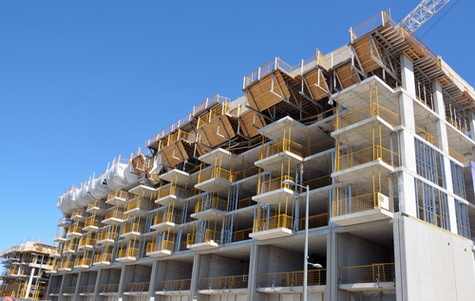
  • The pause on the 20 percent reciprocal tariff on EU imports eases the burden for the costs of glass, with many firms relying on Portugal and other EU manufacturers as the primary supplier of this material—especially as glass-and-steel skyscrapers have become the preferred choice for builders. (Commercial Observer, April 4)
  • Wednesday’s pause was an encouraging development for the real estate industry. However, higher tariffs on imported Chinese steel and aluminum will raise structural material costs, increasing expenses for developers and complicating efforts to address the housing shortage. (Roundtable Weekly, Jan. 24 | Nov. 27)
  • CRE investors and developers must also still contend with the tariffs that remain in place and potential announcements of new tariffs in the future. The ultimate strategy and intended outcome behind the Trump administration’s trade policies remain unclear. 

As trade negotiations continue, RER will continue to raise concerns about the negative impact that uncertainty in tariff policy is having on construction costs, particularly in the affordable housing sector.

Trump Executive Orders Push Energy Dominance Agenda

President Trump issued executive orders this week for a policy agenda to develop domestic energy supplies, ensure grid reliability, and meet increased electricity demands driven by artificial intelligence (AI).  (AP News, April 8)

Grid Reliability Executive Order (EO)

  • It states that America’s leadership in technological innovation “depends on a reliable supply of energy from all electric generation sources, particularly those secure, redundant fuel supplies that are capable of extended operations.” (Politico, April 8)
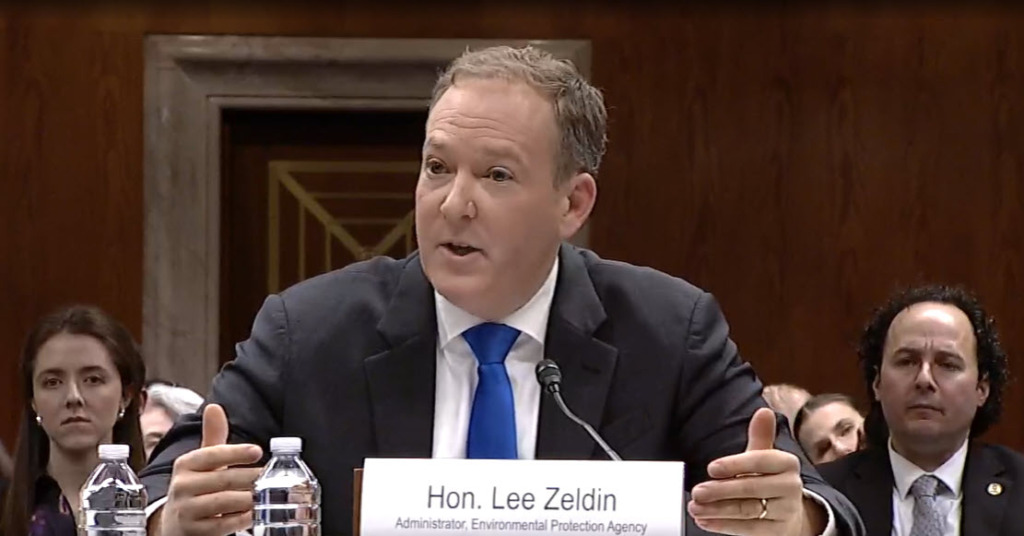
  • Building efficiency measures that yield energy savings are also key to relieving electricity grid constraints to accommodate more energy users. RER and a broad coalition of real estate organizations urged heightened focus on efficiency programs by voicing strong support for ENERGY STAR in a recent letter to EPA Administrator Lee Zeldin. (RW, April 4)

State Overreach EO

  • The EO on “Protecting American Energy from State Overreach” reflects the administration’s view that “American energy dominance is threatened when State and local governments seek to regulate energy beyond their constitutional or statutory authorities.”  (Axios, April 9)
  • Governors committed to reducing the use of fossil fuels and combat climate change within their borders said they were not “intimidate[d]” by the Trump order, signaling likely litigation. (E&E News, April 9; Reuters, April 9)
  • In February, RER submitted a letter to Congress requesting oversight of federal DOE grants that induce states and localities to require all-electric buildings and zero emissions “targets,” through onerous Building Performance Standards (BPS). (RW, Feb. 28)
  • RER’s peer reviewed 20-point policy guide for fair BPS mandates emphasizes that states and localities receiving federal grants should not levy fines on buildings that meet US-EPA and US-DOE high performance industry leadership standards. (RW, Oct. 11)

Tariffs and Energy

  • While the administration’s recent executive orders could bolster grid reliability, the potential for broad tariffs may introduce new costs and complexities undermining energy affordability and infrastructure investment. (PoliticoPro, April 8)
  • Tariffs on critical grid components could exacerbate supply chain shortages and drive up electricity prices. (CNet, April 4)
  • On Tuesday, U.S. Senators Bill Cassidy (R-LA) and Lindsey Graham (R-SC) introduced the latest version of the Foreign Pollution Fee Act (FPFA), a carbon tariff aimed at penalizing imported goods manufactured with higher CO2 emissions than domestic alternatives. (E&E News, April 9)  (Press Release, April 8)
  • Prospects for imminent passage of the FPFA are remote. Yet, the bill signals some interest by Republican Senators to tie climate policy to tariff policy where overseas manufacturers produce aluminum, cement, iron, steel, and glass with higher carbon emissions compared to like-kind U.S. manufactured products. (American Action Forum, April 8)  
  • RER submitted comments on the FPFA in January, raising concerns regarding the impact of a carbon tariff on affordable housing construction, rebuilding after natural disasters, and technical issues on calculating “indirect emissions” associated with product manufacturing. (RW, Feb. 7)

RER will continue engaging with policymakers to ensure federal actions promote reliable, affordable energy without unintended economic repercussions.

Spring Roundtable Meeting Highlights Tax and Trade, Housing, and Global Challenges Confronting Real Estate

Industry leaders convened with members of Congress and senior administration officials at this week’s Spring Roundtable Meeting to address critical national policies impacting commercial real estate and the broader economy.

  • The timely discussions focused on housing supply and affordability, tax policy, regulatory reform, workforce development, grid reliability, infrastructure resilience, tariffs and trade relations, and immigration reform.
  • RER members underscored the importance of preserving vital tax provisions that incentivize investment and warned lawmakers that proposals to restrict the deductibility of state and local property taxes would cause self-inflicted injury to the U.S. economy, including unnecessary job losses and new, systemic risks to the banking system, pressure on rents for families and individuals, and other inflationary cost increases for American consumers.  (The Roundtable’s Spring 2025 Policy Priorities and Executive Summary)

Speakers & Policy Issues

Roundtable members engaged in policy issue discussions with the following guests:

  • Jonathan Martin (Politics Bureau Chief and Senior Political Columnist, POLITICO) offered a candid look at the political landscape and forecasted a competitive 2028 election cycle amidst shifting congressional dynamics.
  • The Honorable Scott Turner (Secretary, U.S. Department of Housing and Urban Development (HUD)) emphasized HUD’s mission of service, focusing on reducing regulatory burdens, increasing housing supply through public-private partnerships, and extending Opportunity Zones.
  • The Honorable Howard Lutnick (Secretary, U.S. Department of Commerce) discussed tariffs and how President Trump is seeking to use trade policy to reignite domestic manufacturing, restore U.S. superiority in critical industries, and advance U.S. national security. 
  • The Honorable Todd Young (R-IN) (Committees: Commerce, Science, and Transportation; Finance; Small Business and Entrepreneurship; Select Committee on Intelligence) focused on pro-growth tax policies, the need for reduce the deficit, and his initiatives aimed at housing supply and affordability.
  • The Honorable Mark Kelly (D-AZ) (Committees: Joint Economic Committee; Armed Services; Environment & Public Works; and Select Committee on Intelligence)discussed the intersection of national security and technology, emphasizing the need for grid reliability, innovation, and bipartisan immigration reform to support economic and housing needs.
  • The Honorable Bill Huizenga (R-MI) (Committees: Financial Services (Vice Chair); Foreign Affairs) shared his insights as Vice Chair on the House Financial Services Committee priorities, revitalizing community banking, affordable housing access, and insurance programs like the National Flood Insurance Program (NFIP) and Terrorism Risk Insurance Act (TRIA).
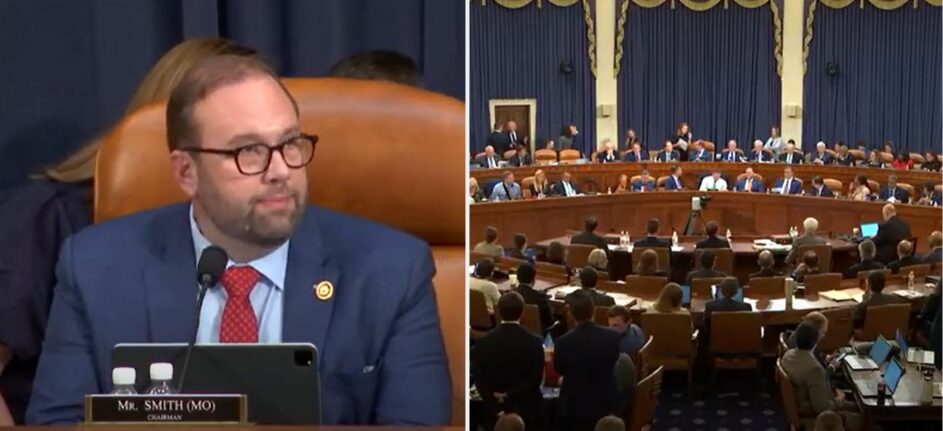
  • The Honorable Jason Smith (R-MO) (Chairman, House Ways & Means Committee; Chairman, Joint Committee on Taxation) reinforced his commitment to advancing a comprehensive, pro-growth tax package by summer, highlighting the essential input provided by RER on key issues such as business SALT deductions, carried interest, and real estate’s role in driving growth.

Next on The Roundtable’s meeting calendar is the all-member Annual Meeting, which will include policy advisory committee meetings on May 28-29 in Washington, DC.